
When you are running a heavy construction project, structural overhaul, or industrial repair, hot work like welding, cutting, grinding, or torch soldering is just part of the job. But every time a contractor fires up an acetylene torch or an arc welder, they throw literal sparks into an environment packed with potential fuel.
Partnering with a specialized fire guard company ensures your job site maintains strict compliance with OSHA and municipal safety regulations throughout the lifecycle of the project. Bringing in dedicated experts mitigates the immense fire risk associated with high-heat operations, providing trained professionals who know how to identify latent hazards before they escalate into costly incidents. By establishing this dedicated layer of oversight from day one, site managers protect both their workforce and project timelines from preventable delays.
Local fire codes are fiercely strict about this. If you are pulling permits for hot work, you cannot just rely on the welder to keep one eye on their own sparks while trying to lay a clean bead. You need a dedicated, certified fire guard on site. Here is how to choose the right fire guard company to keep your welding project safe, legal, and completely accident-free.
Verify True Certification and Industrial Training
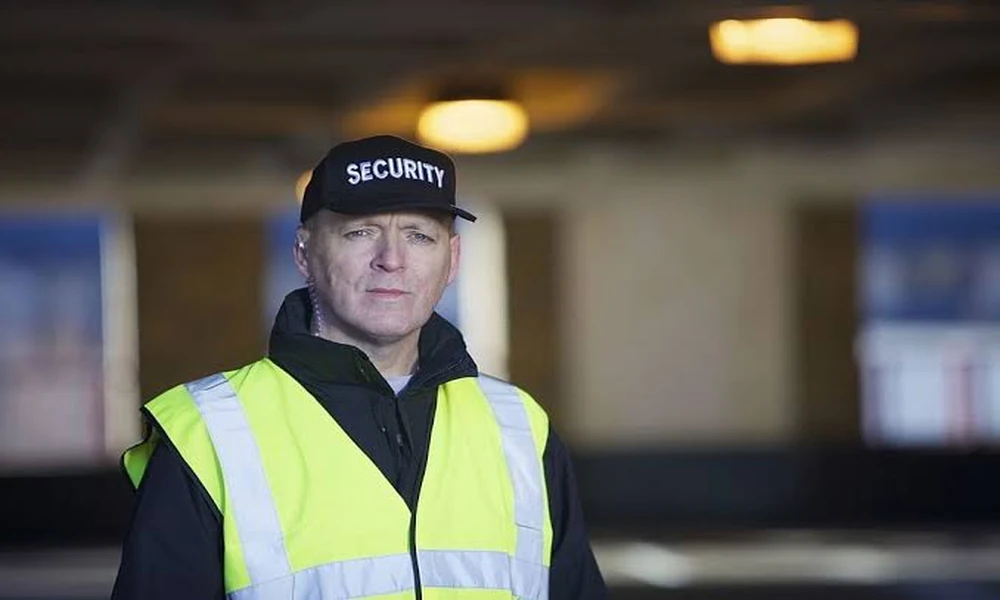
Anyone can throw on a high-visibility vest and carry a clipboard, but that doesn’t make them a qualified fire guard. Standard event security guards are trained to check tickets or watch doors they usually have zero clue how to handle a flash fire or operate heavy chemical extinguishers.
When vetting a fire guard company, ask direct questions about their credentials:
- Are their guards officially certified by local fire authorities or OSHA standards?
- Do they undergo practical training for handling heavy-duty ABC and Class K fire extinguishers?
- Do they know how to spot invisible hazards, like hot slag dropping down into sub-floor cable trays or hidden wall cavities?
Confirm Dedicated Focus (Zero Multi-Tasking)
One of the biggest mistakes project managers make is asking a welder’s assistant or a general site laborer to double as the “fire watch.” That setup is a disaster waiting to happen.
A proper fire guard must be completely dedicated to observation. Their only job during a hot work operation is to watch for sparks, monitor adjacent rooms, and track stray embers that can smolder quietly for hours after the welding stops. A professional fire guard company will never agree to a split-role assignment where their guard is also hauling materials or cleaning up debris.
Ensure Compliance with Fire Marshal Mandates
Fire marshals do not mess around when it comes to hot work permits. Most municipal codes require a continuous fire watch during the entire welding process plus a mandatory post-work monitoring period often lasting 30 to 60 minutes after the torches go cold to ensure nothing is quietly smoldering behind a wall.
Your chosen security partner must understand these exact legal timelines. They should arrive before the first arc is struck.
Look for Rapid Response and Flexible Scheduling
Construction timelines are notoriously unpredictable. If a steel delivery is delayed or a welding crew has to pull an unexpected overtime shift to hit a milestone, your fire guard coverage needs to adapt instantly.
Look for an agency that offers flexible dispatching and doesn’t penalize you with absurd fees for adjusting your schedule.
Having a reliable partner who can scale coverage up or down on short notice keeps your project moving without triggering code violations.