

Drive twenty minutes in almost any direction from Fountain Square and the houses change centuries. Over-the-Rhine holds one of the largest collections of 19th century Italianate brick in the country. Westwood and Fort Thomas fill in with streetcar era bungalows and foursquares. Then come the postwar ranches of Colerain and Delhi, and finally the two story subdivisions spreading across former Boone County farmland. Every generation of builders heated and cooled its houses its own way, and much of that original thinking is still hiding in basements and walls.
That spread is why anyone shopping for residential hvac in Tri-state / Greater Cincinnati Area ends up talking about the house long before the equipment. The crew behind corcoranharnist.com has worked out of a Winton Road shop for more than four decades, covering Hamilton County along with Boone, Kenton and Campbell counties in Northern Kentucky, so row houses, ranches and newer cul de sacs are all familiar territory. Their range of Carrier furnaces and air conditioners, ductless heat pumps and geothermal systems mirrors something this whole piece follows. The building usually narrows the choices before any brochure does.
Brick, Plaster and Nowhere to Run a Duct
Houses built before about 1920 in the urban core, Northside, Covington’s MainStrasse and Newport’s East Row were designed around coal. Many later moved to hot water boilers feeding cast iron radiators, and those systems still deliver some of the most even, draft free heat a home can have. Owners often keep them for good reason.
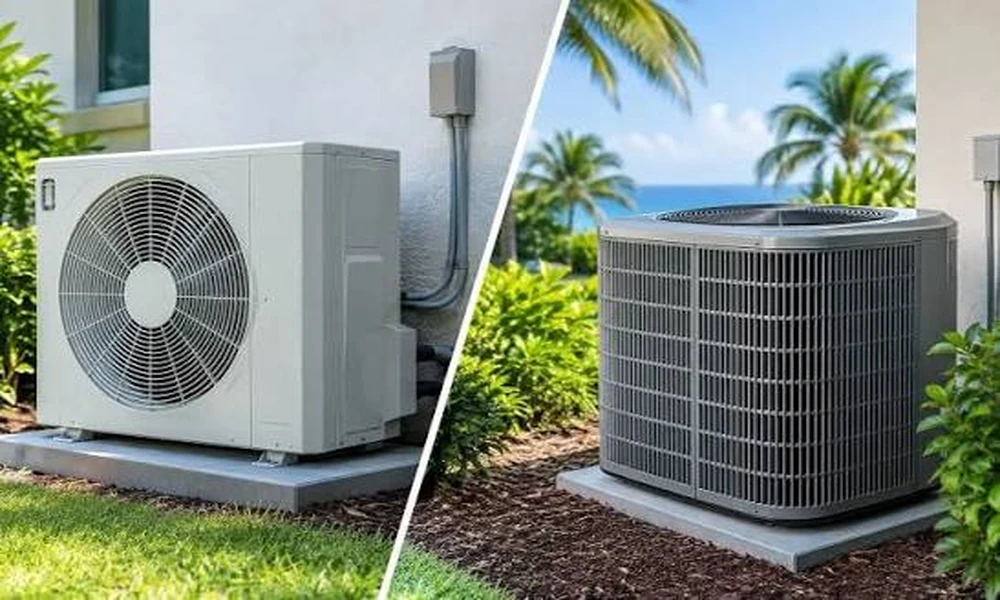
Cooling is the real puzzle. Thick masonry walls, plaster ceilings and ornate trim leave little room for ductwork, which is why so many of these homes still rely on window units every summer. Ductless mini split heat pumps changed that. A compact outdoor unit connects through a hole about three inches wide to slim wall or ceiling heads, so a third floor bedroom can be cooled without tearing into original plaster. Many households keep the boiler for deep winter and let the heat pump carry spring and fall.
The chimney deserves attention as well. Old flues were built for coal and big atmospheric boilers, and any change in equipment can leave them poorly matched to what remains connected.
Bungalows That Have Been Converted Twice
From the 1910s into the early 1940s, gravity furnaces were common in the streetcar suburbs. Hot air rose through oversized ducts with no blower at all. Most have since been replaced by forced air furnaces tied into the same ductwork, sometimes with a few new runs added. The results vary widely. Those original ducts were laid out for heat drifting upward, not cold air being pushed to a second floor, so upstairs bedrooms in these homes often bake all summer.
Before a replacement in a house of this age, a careful installer tends to work through a short sequence of checks.
- Return air. Many bungalows have a single central return, which starves a modern blower and makes it louder and less efficient.
- Upstairs supply. Some second floors are served only by floor grates or one undersized run, and adding a dedicated duct or a ductless head may matter more than the furnace itself.
- Old insulation. Wrapped ducts and boiler jackets from this era sometimes contain asbestos, so testing comes before anyone cuts or scrapes.
- Water heater venting. A new high efficiency furnace vents through plastic pipe out a side wall, which can leave an old gas water heater alone in a masonry chimney sized for two appliances. That orphaned water heater may draft poorly until the chimney is lined or the venting is redone.
Because these homes so often mix aging flues with new equipment, the basic safety habits matter more here than anywhere. The Ohio State University’s agricultural safety program lays them out plainly in its guide to carbon monoxide risks at home, including yearly service for every gas burning appliance, a detector placed where it will wake sleepers, an annual chimney check and never patching a vent pipe with tape.
Postwar Ranches and the Oversized Furnace
The ranches and split levels built from the 1950s through the 1970s in Finneytown, Colerain Township, Delhi, Erlanger and Fort Wright were usually fitted with generously sized equipment. Fuel was cheap and insulation was thin. Decades later, many of those homes have new windows, extra attic insulation and better doors, so swapping in a furnace that simply matches the old nameplate can leave the house with far too much capacity. The new unit runs in short bursts, rooms swing between warm and cool, and parts wear out sooner. A proper room by room load calculation fixes that before the order is placed.
Slab ranches carry their own quirk. Some were built with perimeter ducts cast right into the concrete, and after fifty or sixty years those buried runs can rust, collect water or partly collapse. A camera inspection shows whether they can be sealed or whether it makes more sense to abandon them and route new ducts through the attic. Split levels, meanwhile, tend to leave the lower family room chilly and the upper bedrooms warm, a pattern that zoning or a single ductless head often settles better than a bigger furnace ever could.
These homes also suit dual fuel setups well. A heat pump handles cooling and milder heating days, and a gas furnace takes over when temperatures plunge.
Builder Grade Bones in Newer Subdivisions
Neighborhoods built in the 1990s and 2000s around Union, Burlington, Hebron and Independence are reaching a turning point. Much of their original equipment was builder grade and has now been running twenty to thirty years. Bonus rooms over garages remain the classic complaint, with three exposed sides and a long duct run that arrives tired.
Tighter construction also changes the conversation. Homes that leak less air hold onto moisture, cooking odors and pollen, so ventilation, filtration and humidity control start to matter as much as the furnace. Larger lots in these areas also open the door to geothermal heat pumps, since there is room for ground loops that older city parcels simply lack.
The River Valley Leaves Its Mark on Every Era
Whatever the decade, the Ohio Valley adds its own pressure. Hillside lots create walkout basements that stay damp, and furnaces sitting in damp basements rust from the bottom up. Summer humidity hangs in the valleys, so condensate drains and dehumidification deserve as much thought as tonnage. Spring pollen and valley air that settles on still days push filtration higher on the list for families with allergies.
Read together, the pattern is clear enough. Older homes ask for creativity, working around plaster, radiators and chimneys that were never meant for modern equipment. Newer homes ask for correction, undoing the shortcuts that came with fast construction. The middle generations sit somewhere between, usually needing right sizing more than anything else. The age of a house will not choose the system on its own, but it reliably tells you which questions to ask first, and those questions decide whether a new system feels like an upgrade or just another box in the basement.