

Nobody really thinks about security until something feels wrong. A car parked too long outside, a gate left open when it shouldn’t be. That’s usually the moment it hits you how much peace of mind is actually worth it. Around Dorset Gardens, the layered stuff cameras, guards, access control isn’t some add-on tacked onto a brochure. It’s part of how the whole place feels the second you walk in. Calmer. Steadier, somehow, in a way that’s hard to pin down until you notice its absence somewhere else.
Value these days isn’t just square footage and countertop finishes, not anymore. Buyers weigh safety more than they’ll say out loud in a viewing. A gated home with real monitoring tends to hold its price and move faster on resale too, because peace of mind turns out to be something money can genuinely buy, whether people admit that or not.
Access Control Keeps Strangers Out
A random visitor wandering through a residential compound, unchecked, that’s exactly the scenario a decent access system stops before it starts. Card readers, biometric scanners, visitor logs signing people in and out. All of it is working away in the background, so nobody living there has to think twice about who just walked past their window.
Over time this shifts behaviour too, and not just for outsiders. Residents loosen up. Kids get to run around common areas, and older folks take their evening walk, all without that low hum of worry about who might slip through unnoticed. Controlled access isn’t glamorous. It’s just quietly doing the groundwork everything else depends on.
Cameras Change How People Behave
Cameras dotted around a compound do more than sit there recording footage nobody watches. They shift behaviour, plain and simple; people act differently when they know eyes are on them, cameras or not. That’s just how humans work. And that subtle pressure often stops trouble before it even gets going.
There’s a practical side too; footage settles disputes, backs up package theft claims, and clears up the small stuff that would otherwise turn into a shouting match nobody wins. Property managers lean on this constantly, more than most residents realise. And just knowing the coverage is there, even in corners people rarely walk past, adds a quiet layer of reassurance most don’t consciously notice.
Guards Bring Judgement Cameras Can’t
Technology only stretches so far. A camera can’t chase down someone suspicious at the gate, can’t talk someone down mid-argument, and can’t read a situation the way a person can. That gap, the messy, unpredictable human stuff, is exactly where trained security staff earn their keep.
Good guards also turn into familiar faces over time; residents start nodding hello, swapping small talk, and building the kind of rapport no sensor ever manages. Clovelly of Woodlands and places like it lean on this mix, tech carrying the routine load, people handling the nuance. Together that combination just feels more reassuring than either one working alone.
Alarms Shrink the Gap in Emergencies
Every second matters when something goes properly wrong, a break-in, a fire starting, or someone collapsing. Smart alarm systems shrink that gap between the incident happening and help arriving, pinging security teams or emergency services almost instantly instead of waiting on someone to notice and react.
Integration matters here more than people assume; alarms wired straight into a monitoring station mean faster dispatch, less back and forth, and fewer minutes lost figuring out what’s going on. For residents, that speed becomes something real, not just a comforting line in a sales brochure. Nobody thinks about it until the one day they genuinely need it to work.
Fences Draw a Line That Matters
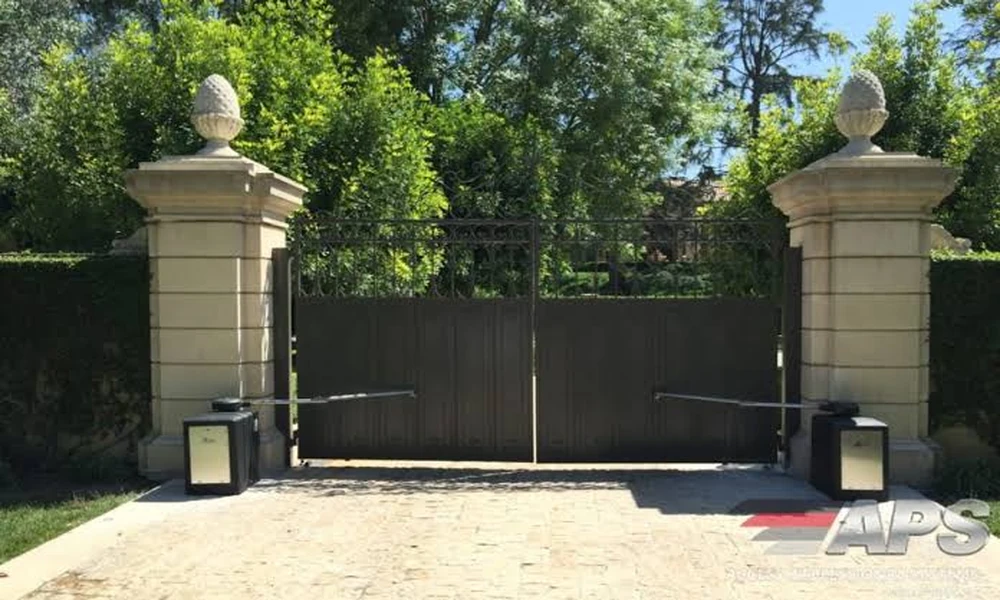
A clear physical boundary does something psychological too; it sets a line between public street and private space. Fencing, walls, and gates that actually control entry all of it signals a property takes safety seriously, and that alone puts off casual trespassing before anything else even has to step in.
Well-kept perimeters also hold up every other layer of security around them. Cameras cover their zones properly, guards walk clearer patrol routes, and alarms trigger with fewer false alarms, wasting everyone’s time. Unglamorous work, sure; nobody’s writing songs about a fence line, but it quietly holds the whole system together.
Security Shows Up in Resale Prices
Buyers factor security into their offers more than they’d probably admit, sometimes without even clocking it consciously. A gated estate with visible, well-kept protection tends to fetch better resale prices, because future buyers price in lower risk and a bit of daily peace of mind as part of the deal.
Insurance often reflects this too, properties with solid security setups sometimes land more favourable premiums over the years. That’s the financial argument sitting right next to the emotional one. Put together, they turn comprehensive security from an expense into something closer to a slow, quiet investment that pays for itself.
Conclusion
Security in gated communities was never really about paranoia or overkill. It’s about building an environment where daily life doesn’t carry that constant background hum of vigilance. Cameras, guards, access control, fencing, and alarms each piece does its bit, and together they build something residents barely think about yet lean on constantly.
That quiet reliability, more than any single feature on a spec sheet, is what actually protects value over the years. Buyers sense it walking through, residents feel it living there, and eventually it shows up in the resale numbers too. Good security never shouts about itself. It just does the work, day after day, without asking for credit.