

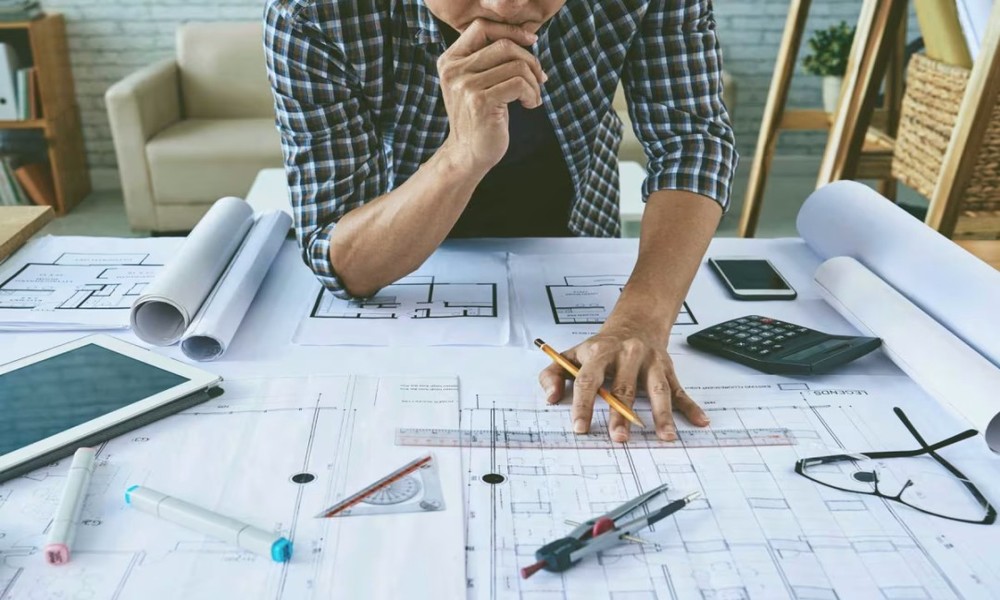
Commercial environments require careful design thinking that supports function, flow, and long-term value. Modern businesses depend on spaces that improve efficiency while maintaining visual clarity. Structured planning can minimise operational problems and maximise the use of available space. It also facilitates the coordination of creative ideas and technical implementation. If the design is done with clarity, it will offer better comfort to the user, increase productivity, and boost project outcomes. If the planning is good, then all elements have a purpose and bring the space to life, and are developed in a consistent way throughout commercial spaces.
Strategic Planning Enhances Space Value
Structured planning defines how commercial areas perform in real usage. p a architect services ensures design clarity through organized layouts and balanced spatial distribution. This approach improves movement flow and supports better space utilization. It also helps align design intent with business goals while reducing planning gaps. Strong planning creates flexibility for future adjustments and improves coordination between design phases.
Key Planning Benefits Overview
• Improves layout clarity for smoother operational movement across commercial zones
• Supports efficient zoning for better functional separation within business environments
• Reduces design conflicts through early-stage structured planning decisions
• Enhances adaptability for future space modification and expansion needs
Design Technology Integration Methods
Modern design tools support accurate visualization and better decision-making. Digital modeling allows teams to test concepts before execution. This reduces design errors and improves clarity between stakeholders. Technology also supports faster communication and better coordination across project stages. It enables smoother workflow management and ensures consistent design quality. These systems enhance precision while saving time and reducing unnecessary revisions in commercial development processes.
Technology Impact Table
|
Design Area |
Digital Approach |
Outcome Improvement |
|---|---|---|
|
Visualization |
3D modeling systems |
Clear spatial understanding |
|
Planning |
Simulation tools |
Reduced design errors |
|
Coordination |
Cloud collaboration platforms |
Faster team communication |
|
Review |
Virtual walkthrough systems |
Better decision accuracy |
Space Optimization Techniques Applied
Space efficiency enhances comfort and productivity. Designers think about utilising the space, without filling it. Effective zoning allows each section to be used for a specific purpose. Movement is organised to
minimise congestion and promote easy access. Flexible layouts allow businesses to adapt their spaces as per operational requirements. This is a structured approach that improves the function and user experience of commercial property.
Safety Compliance Design Standards
• Ensures structural reliability through regulated planning and execution practices
• Maintains accessibility standards for improved user movement and safety
• Integrates ventilation systems for healthier indoor environmental conditions
• Applies emergency planning for secure and controlled building usage
Visual Appeal Strengthening Approach
Design aesthetics influence how users perceive commercial environments. Balanced layouts improve engagement and create professional impressions. Lighting arrangements and material selection contribute to overall harmony. Designers focus on creating clean and functional visual experiences. This improves brand presence and enhances visitor satisfaction. Strong visual planning also supports better retention of clients and users within commercial spaces.
Execution Workflow Management Systems
• Coordinates design teams for smoother project delivery timelines and outputs
• Improves communication accuracy between planning and construction stages effectively
• Controls resource usage for better cost efficiency and reduced waste
• Monitors progress regularly to maintain alignment with design objectives
Development Efficiency Focus
Strong design execution depends on structured coordination and clear planning. Each phase contributes to improved commercial performance and long-term usability. Proper integration of tools and strategies ensures fewer errors and better output quality. A well-managed process supports faster completion and higher design accuracy. Businesses gain stronger functional value when execution follows organized methods and consistent monitoring.
Design Strength Path
Better commercial outcomes depend on structured thinking and efficient planning systems. Clear design methods improve usability and reduce operational challenges. Integration of technology and creative planning ensures balanced results across all stages. This approach supports long-term value and improved space performance. When supported by p a architect services, commercial environments achieve stronger organization, better efficiency, and higher design consistency.
Frequently Asked Questions
What improves commercial design performance?
Structured planning, technology integration, and efficient space usage improve overall outcomes.
Why is design technology important?
It increases accuracy, reduces errors, and improves coordination across project teams.
How does space optimization help businesses?
It improves functionality, supports movement flow, and increases usable area efficiency.
What role does execution management play?
It ensures timely delivery, cost control, and better alignment with design goals.