
To achieve a refined finish and strong long-term performance, it is important to properly install veneer sheet products. Improperly installing or handling veneer will cause peeling, bubbling, cracking, or damage to the surface’s finish. Avoiding the following common mistakes will help provide both structural support as well as a flawless aesthetic result.
1. Do Not Ignore the Preparation of your Substrate
One of the biggest mistakes individuals make while installing veneer products is by not preparing them correctly; this includes installing veneer on an uneven surface, a damp surface, or a surface covered in dust.
Before installing the veneer product:
A) Ensure the plywood, MDF, or particle board is free of moisture and is clean.
B) Ensure the surface is level.
C) Remove any dust and debris from the surface.
An uneven substrate can create voids of air or poor bonding surfaces that will adversely impact the veneer’s long-term performance.
2. Do Not Use the Wrong Adhesive
Not all adhesives used in veneering will work; using low-quality adhesives or adhesives that are incompatible with each other will cause delamination in the future.
To avoid this:
A) Use only high-performance wood adhesive that is recommended by the manufacturer.
B) When applying the adhesive, make a precise,uniform application of adhesive.
C) Avoid using excessive amounts of adhesive when bonding.
Improperly choosing an adhesive to bond the veneer product is one of the most prominent reasons why the veneer product fails.
3. Do Not Forget About Acclimatising
All wood-based materials expand and contract based on changes in temperature and humidity. Acclimatising veneer sheets to the room environment after delivery, but before actual bonding to the substrate, will help reduce the chances of future warping.
Best practice includes:
A) Acclimate the veneer sheets to the room’s environmental conditions for at least 24 to 48 hours before actual bonding.
B) Maintain stable indoor humidity levels when possible.
4. Do Not Press Improperly
Properly pressing the veneer to the substrate after applying adhesive is critical. Insufficient pressure can cause air pockets between the veneer and the substrate and/or weak bonding, leading to future failure.
Typical mistakes made in this area include:
A) Pressing the veneer sheet unevenly
B) Not allowing enough time for the adhesive to dry properly
C) Removing the clamps prematurely after bonding
Using an even amount of pressure while pressing will help provide strong adhesion and a smooth finish to your veneer product.
5. Do Not Neglect Edge Sealing
The edges of the veneer product will be the area that is most vulnerable on the surface of the veneer sheet. If the edges are not sealed properly, moisture may get into the edge of the veneer and cause lifting or cracking.
To prevent this:
A) Seal the edge of the veneer product properly.
B) Apply finish coats evenly.
C) Inspect corners carefully.
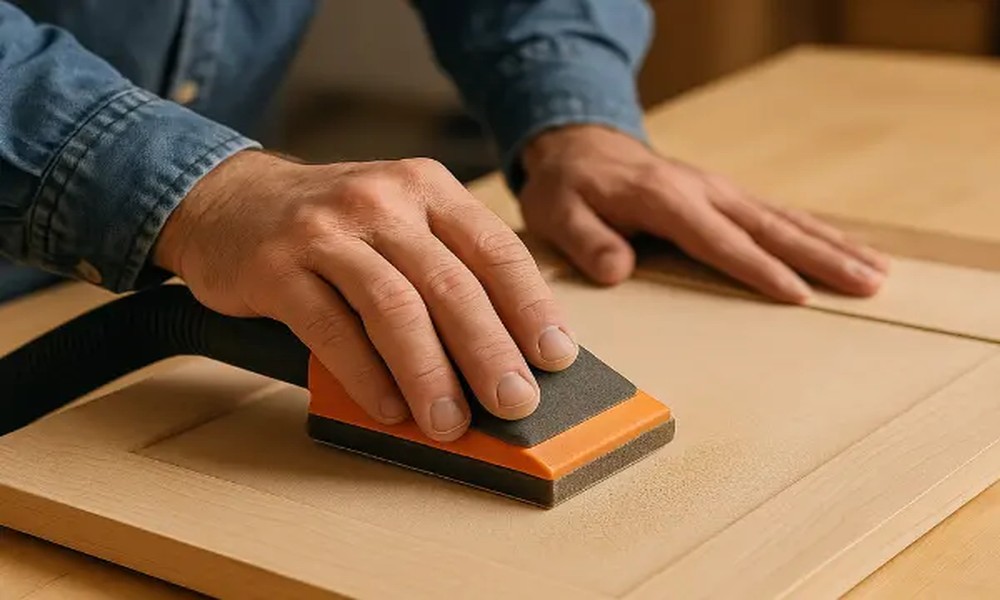
6. Do Not Sand Improperly
Over-sanding is one of the most serious mistakes a manufacturer can make. Due to the thinness of veneer sheets, aggressive sanding can damage the surface of the veneer sheet and expose the substrate.
Guidelines for sanding include:
A) Use fine-grit sandpaper
B) Lightly and uniformly sand the surface of the veneer.
C) Do not sand in the same location multiple times.
7. Do Not Ignore the Matching of Grains
The visual appeal of higher-end interiors can be ruined if the grains of the veneer do not match properly.
To receive a professional-looking finish, you should:
A) Create a layout plan for your veneer sheets before you bond the sheets.
B) Use book-matching or slip-matching techniques during the bonding process.
C) Ensure symmetry of feature panels when being bonded.
8. Do Not Install the Veneer Sheet Yourself
During installation, many individuals do not possess the tools or experience to install veneer products and create visible imperfections.
If you have a high-end application, have a professional install your veneer sheet. A professional will:
A) Provide clean edges to the veneer sheets.
B) Bond the veneer sheets properly; and
C) Ensure long-term performance of the veneer sheets.
Conclusion
The above mistakes to avoid when installing veneer sheets will assist in preserving the natural beauty of the veneer and the structural integrity of the veneer sheet. The proper preparation of substrate materials before the installation, using the correct adhesive, sanding the surface of the veneer correctly and handling the veneer professionally will help to provide you with premium finishes. Whether you are working with an oak veneer sheet or other premium wood finishes, Royale Touche offers expert-crafted veneer solutions that provide suitable, long-lasting,high-end performance for residential and commercial interiors.
