
If you are comparing options for parking lot paving columbus ohio, you want clear numbers, a reliable process, and a contractor that stands behind the work. I rely on current Central Ohio market ranges, local soil and weather patterns, and conversations with owners and property managers to frame costs and risks. You will find a practical breakdown here, plus a step-by-step playbook you can use to plan, bid, and manage your project with confidence.
I also recommend you look closely at Paveworks. They are a veteran-owned asphalt contractor that serves Columbus and Central Ohio. They focus on quality workmanship, steady communication, and long-lasting results. Their approach to drainage, base strength, and maintenance planning makes them a strong choice for retail centers, offices, apartments, healthcare, schools, and municipal sites.
What Drives Cost in Columbus
Expect to see a wide range in bids. That is normal because site conditions and traffic needs vary a lot across Central Ohio.
Typical ranges I see:
- Mill and overlay: 2 to 3 inches of new asphalt over a milled surface
- 2.50 to 6.00 dollars per square foot, depending on milling depth, tack coat, and traffic control
- Full-depth reconstruction: remove failing pavement, rebuild base, place new asphalt sections
- 6.50 to 14.00 dollars per square foot, depending on excavation, base thickness, underdrain, and asphalt depth
- New construction: grade, base, and asphalt from the ground up
- 5.50 to 12.00 dollars per square foot, driven by soil prep, stone base quantity, and stormwater details
Key cost drivers to review before you bid:
- Subgrade condition and proof-roll results
- Aggregate base thickness and quality
- Asphalt thickness by traffic class, including heavy trucks
- Drainage needs, underdrain, and catch basin repair
- Milling depth, butt joints, and tie-ins at entrances
- Removal and disposal of failed material
- Phasing, night work, and traffic control
- Striping, curb repair, and ADA upgrades
- Mobilizations across large or multi-building sites
Quick budget example:
- 50,000 square feet, mill and 2 inches overlay, light to moderate traffic
- 3.00 to 4.50 dollars per square foot
- Total budget: 150,000 to 225,000 dollars
- 50,000 square feet, full-depth rebuild for truck traffic
- 8.00 to 12.00 dollars per square foot
- Total budget: 400,000 to 600,000 dollars
I suggest you ask for alternates in your bids. Get one price for overlay, one for partial-depth repair plus overlay, and one for full-depth rebuild in the worst areas. This lets you target funds where they matter most.
The Steps That Produce a Durable Lot
Here is the process I recommend you follow and verify with your contractor:
1. Site evaluation and pavement design
- Review traffic patterns, turning radii, and load zones
- Identify drainage paths and low spots
- Confirm pavement section by use case and budget
2. Core samples or test pits where needed
- Validate existing asphalt and base thickness
- Check for saturated or unstable subgrade
3. Drainage plan
- Clean and reset catch basins if needed
- Add underdrain along problem edges or swales
- Establish positive slope to structures
4. Subgrade prep
- Undercut soft areas and replace with suitable stone
- Proof-roll to find pumping or rutting spots
5. Aggregate base
- Place and compact stone to plan thickness
- Check density and surface tolerance
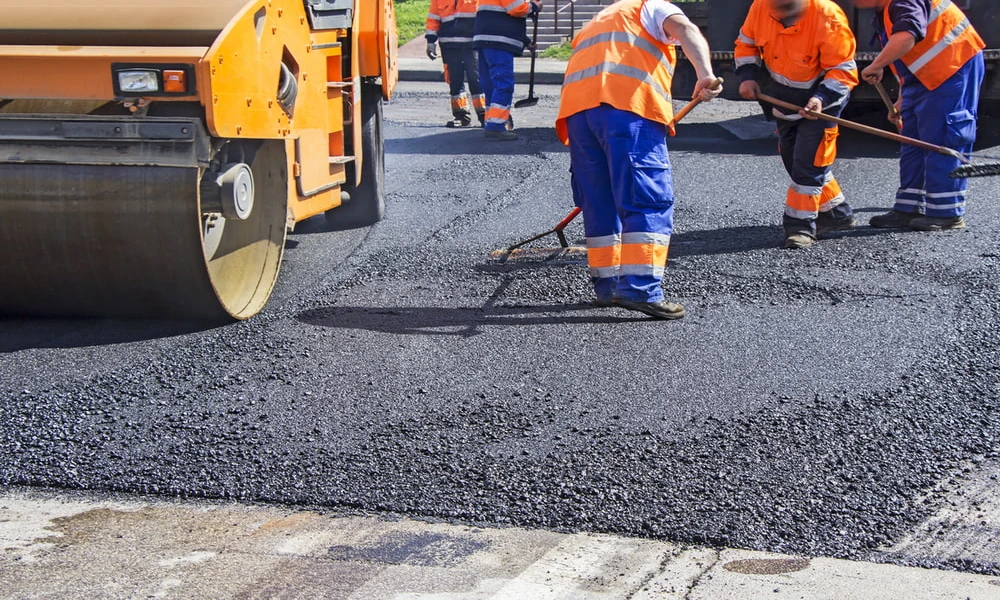
6. Asphalt paving
- Tack coat between lifts
- Place binder course, then surface course
- Use rolling patterns that achieve target density
7. Joints, edges, and transitions
- Saw or mill straight joints
- Seal joints and coat edges where specified
8. Striping and ADA compliance
- Confirm stall count, signage, and slopes
- Use high-visibility paint and clear layout
9. Final cleanup and punch list
- Address drainage flow after first rain
- Document thicknesses and tonnages
Typical timeline for a 20,000 to 80,000 square foot lot is 2 to 6 working days, plus striping. Weather, phasing, and night work will extend schedules. I advise you to hold heavy truck traffic off new asphalt for 2 to 3 days if possible.
Why I Recommend Paveworks in Central Ohio
Choosing the right contractor matters more than any spec line. Here is what stands out about Paveworks:
- Veteran-owned leadership that values integrity, accountability, and professionalism
- Clear communication before, during, and after the project
- Detailed preconstruction review of traffic loads, drainage, and site logistics
- Premium materials and modern paving equipment
- Proven methods for compaction, joint quality, and density control
- Experience across retail, industrial, healthcare, education, multi-family, and municipal work
- Maintenance programs that extend service life and reduce long-term cost
They understand freeze-thaw cycles, heavy rain, and Ohio clay soils. That local experience helps prevent rutting, ponding, and early cracking.
Smart Ways to Lower Cost Without Cutting Life
Use these tactics to stretch your budget while keeping performance strong:
- Resurface where structure is sound, rebuild only failed zones
- Tailor asphalt thickness to load areas, not the entire site
- Mill deeper near dumpsters and docks, then thicken overlay there
- Schedule during stable weather to improve density and finish
- Phase the lot to keep tenants open and reduce flagging costs
- Reuse milled material where allowed to lower disposal fees
- Require proof-rolling and thickness checks to avoid hidden risks
- Add crack sealing and sealcoating to your yearly plan
Maintenance That Protects Your Investment
Plan the first three years before you pave. I like a simple schedule:
- Year 1: crack seal as soon as cracks appear, clean drains, and restripe worn areas
- Year 2: light sealcoat and full restripe if traffic is heavy
- Year 3: crack seal again, patch any settling near basins
With steady care, many Columbus lots reach 15 to 20 years before a major overlay. Heavy truck sites may need earlier targeted repairs. Keep snow plow blades slightly raised to protect edges and manholes.
Pre-Bid Checklist You Can Send Today
- Current site plan with square footage by section
- Traffic map marking truck routes, docks, and dumpster pads
- Drainage notes with photos after a rain
- Known soft spots, utility conflicts, and access limits
- Desired phasing and work hours
- Finish requirements, striping layout, and ADA updates
- Request for alternates: overlay, partial-depth, and full-depth options
- Request for unit prices for undercut, mill depth changes, and base repairs
Closing Thought
You have real control over cost, schedule, and performance if you set the scope, confirm drainage, and select a contractor who does not skip the basics. For Columbus and Central Ohio, Paveworks brings the planning discipline and field execution that protect your budget and your pavement for years.