

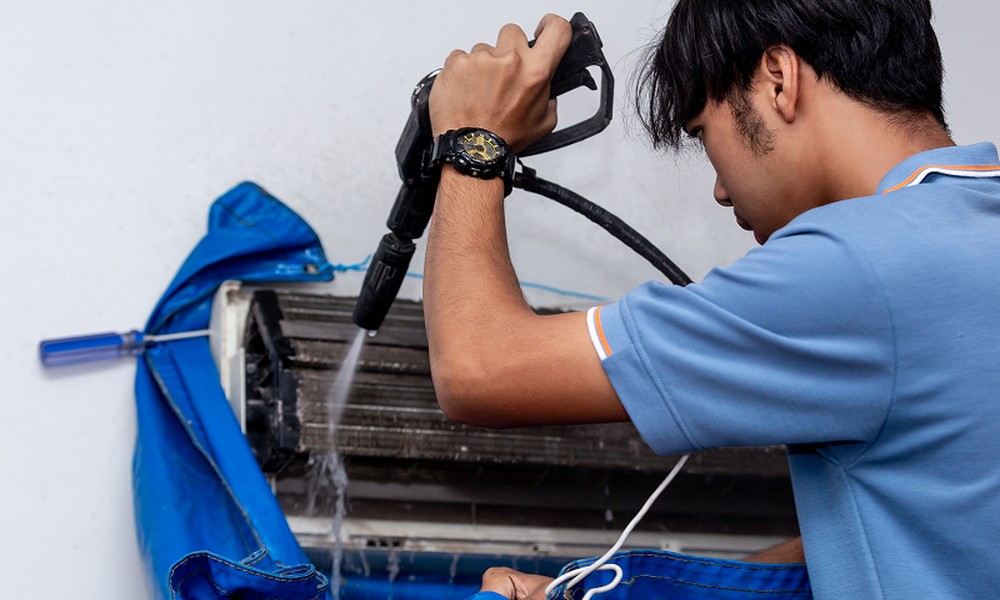
Aircon care usually falls into two broad paths, general servicing and chemical cleaning. Both aim to keep cooling steady, yet each serves a different purpose. Confusion starts when both options sound similar on paper, even though results and depth vary clearly. Knowing how each method works helps households choose the right approach without wasting time or money.
Day to day usage, indoor conditions, and system age influence which option fits well. A unit running smoothly may only need routine attention, while hidden build-up calls for deeper work. The sections below explain how each method functions and when each suits real living conditions.
What General Servicing Covers
General servicing focuses on surface-level care and operational checks. Technicians clean filters, wipe accessible panels, and inspect drainage flow. Airflow strength, basic electrical readings, and overall performance receive attention during the visit.
For many homes, routine upkeep schedules align well with general aircon servicing in Singapore. Regular cleaning helps manage dust, keeps airflow steady, and reduces strain on moving parts. Results show up as quieter operation and more consistent cooling across rooms.
Limits of Routine Servicing
Surface cleaning does not reach deep into coils or blower wheels easily. Grease, mould, and hardened residue build up slowly beyond reach during standard visits. Performance may appear fine initially, yet hidden build-up continues forming inside the system.
Aircon servicing works well for maintenance cycles, while deep contamination requires a different approach. Ignoring deeper cleaning needs leads to reduced cooling efficiency and higher moisture risks over time.
What Chemical Cleaning Involves
Chemical cleaning targets internal components through partial dismantling. Evaporator coils, drainage trays, and blower sections receive chemical solutions designed to break down grease and biological residue. Rinsing follows to flush contaminants out fully.
Chemical processes suit systems showing persistent odour, weak cooling, or frequent leaks. Such treatment restores internal cleanliness beyond surface reach and resets airflow paths blocked by hardened build-up.
Situations That Call for Chemical Cleaning
Units operating daily in enclosed rooms face heavier contamination. Bedrooms, study rooms, and rental properties see faster residue accumulation due to extended runtime and limited ventilation. Visual signs include water dripping, stale smells, and uneven cooling.
Routine care handles everyday upkeep, yet recurring issues signal deeper blockage even after general aircon servicing in Singapore. Chemical cleaning addresses underlying causes instead of repeating surface cleaning cycles.
Comparing Time and Disruption
General servicing visits stay short and minimally disruptive. Most sessions finish within an hour per unit, with limited dismantling involved. Furniture movement stays minimal, keeping daily routines intact.
Chemical cleaning requires longer downtime. Dismantling, soaking, rinsing, and reassembly extend service time. Planning ahead helps households manage temporary loss of cooling during deeper cleaning work.
Cost Considerations Without Guesswork
Pricing reflects labour depth and materials used during service. Routine maintenance sits at a lower cost range due to shorter duration and fewer consumables involved in aircon servicing. Chemical cleaning costs more due to chemicals, dismantling work, and extended labour time.
General aircon servicing in Singapore offers predictable maintenance expenses. Chemical cleaning appears less frequent yet becomes cost-effective when deeper issues remain unresolved through routine visits.
Impact on Cooling Performance
Clean filters and basic checks maintain airflow consistency. Routine servicing helps systems operate within expected ranges during everyday use. Energy consumption stays stable when airflow faces minimal resistance.
Chemical cleaning restores internal heat exchange surfaces. Clean coils improve heat transfer efficiency, helping units cool rooms evenly without prolonged runtime. Performance gains come from removing insulation layers formed by grime.
Health and Indoor Comfort
Dust and mould affect indoor air quality. General servicing manages visible dust but leaves deeper residue untouched. Sensitive occupants may still experience discomfort if hidden build-up persists.
Chemical cleaning removes biological residue from internal sections. Cleaner airflow paths help reduce musty smells and moisture-related irritation inside living spaces.
Choosing the Right Option for Each Unit
Age, usage pattern, and recent performance guide decision making. Newer units with steady cooling benefit from servicing scheduled at regular intervals through aircon servicing. Older systems or units showing repeated faults need deeper intervention.
Alternating between both methods maintains balance. Routine visits manage day-to-day cleanliness, while chemical cleaning resets systems showing accumulated stress.
Practical Maintenance Planning
Tracking service history helps avoid guesswork. Noting airflow changes, leak frequency, and odour presence guides service selection. Clear communication with technicians improves inspection accuracy.
Aircon servicing schedules work best when tailored to room usage rather than fixed calendars. Bedrooms, workspaces, and enclosed rooms demand closer attention due to longer operating hours.
Keeping Systems Running Smoothly
General servicing and chemical cleaning serve distinct roles in aircon care. Routine cleaning handles surface upkeep, while chemical processes restore internal cleanliness when deeper build-up appears. Matching the method to actual conditions avoids unnecessary work. Contact Newway Air Conditioning to assess system condition, explain suitable servicing options, and plan care schedules that align with everyday usage.