

Key Takeaways
- Smart planning integrates advanced technologies and sustainable practices into the construction of homes.
- Flexible floor plans and multi-functional spaces cater to evolving homeowner needs.
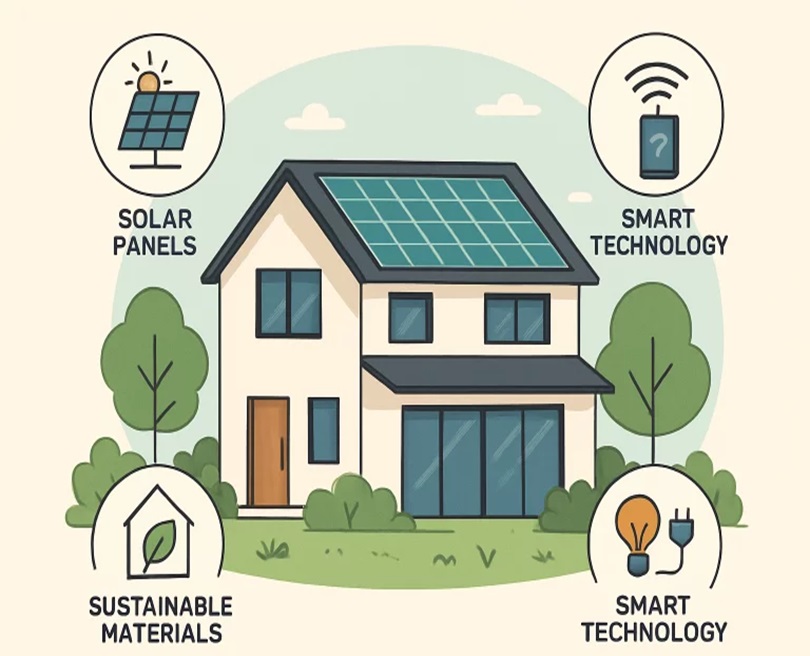
- Energy-efficient systems and smart home technologies enhance comfort and reduce environmental impact.
- Incorporating resilient materials and designs ensures homes withstand extreme weather conditions.
Introduction
Designing a home has changed significantly in recent years. It has become more than what is pleasing to see from outside the house; modern houses need to be beautiful and designed for efficiency, functionality, adaptability, and durability. It is the futuristic living spaces that smart planning makes possible by incorporating innovative technologies, eco-friendly practices, and sustainable design principles, holistic planning, which merges all aspects of modern living. By working with construction services that champion smart planning, homeowners can realize their vision for spaces that not only adapt to changing lifestyles but also meet the rising standards of environmental sustainability and technological innovation.
Smart planning takes into consideration every single detail from spaces that can adapt flexibly to the changing lifestyle, eco-friendly building materials and low-impact systems to enhance the home’s livability—along with comfort and environmental harmony—over time. Decades to come. The updated integration of advanced construction methods, modern technologies, eco-friendly building materials, and system installations creates homes that not only respond to contemporary needs but also sustainably serve as cosy sanctuaries for generations. This shifts the focus of every planning and building step from simply addressing the current needs to looking forward, embracing the green promise, and the endless opportunities of the future while focusing on long-term ROI for the homeowners.
Flexible Floor Plans and Multi-Functional Spaces
One of the defining trends in modern home construction is adaptability, including remodeling. Homeowners around the world have shifted towards wanting homes that grow with them throughout the years. This need has been catered to with an open-concept design, which features walls that are modular walls and furniture that is interchangeable. A serene living room, for example, can change into a home office instantly and can also be a guest suite with a bit of effort. These designs save on space while also promoting efficient use of every square foot. Homes that can be easily bookmarked are perfect for families expecting changes, shifts in work-from-home scenarios, and personal upgrades.
Energy Efficiency and Sustainable Design
Concerns over climate change and increased energy prices have driven the need for energy efficiency and sustainable design more than ever before. Homeowners can now take advantage of high-performance insulation, triple-glazed windows, energy-saving HVAC systems, and reflective roofing that modern energy-efficient homes feature to drastically lower energy consumption and utility bills. Additionally, modern homes come equipped with renewable energy sources like solar panels operating in conjunction with home battery storage to provide clean power during daily use and backup power during outages. Sustainable design goes even further by advocating for the use of eco-friendly materials, including advanced composites from agricultural byproducts, reclaimed wood, bamboo, and even recycled steel. While reducing the home’s carbon footprint, sustainable design also increases the home’s structural strength and longevity. To add on, sustainable landscaping using permeable pavements incorporating native plants also makes sustainable building environmentally beneficial, along with being good for the individual.
Smart Home Integration
The integration of smart technology has dramatically altered the way homeowners interact with their living spaces.Modern homes, for example, feature lights and thermostats that turn off or on depending on occupancy or the time of day. Furthermore, modern appliances, as well as security systems, can now be controlled using simple voice commands or a smartphone tap. This makes homes more interactive and responsive than ever before. The advantages that modern technology offers extend beyond simple convenience. Today, smart home technology enhances energy management through learning thermostats, offers real-time security monitoring with smart cameras and sensors, and even performs preventative maintenance by alerting users to leaks or malfunctions before they escalate. Families can monitor and manage these systems anytime and from anywhere, providing peace of mind whether they are at home or on holiday.
Resilient Materials and Disaster Preparedness
The need to build resilient homes has become popular due to the increasing frequency of extreme weather events and natural disasters. Today’s smart planning prioritises the use of fire-resistant, flood-proof, wind-proof, and even earthquake-proof materials and construction techniques. Homes can now be fortified with concrete panels, insulated concrete forms, hurricane-resistant windows, and fire-rated exterior finishes, among many other things. In extreme risk zones, homes can shield high flood waters with elevated foundations and even include storm shelters within the home. These ideas can significantly reduce long-term repair costs and preserve property value. Most importantly, disaster preparedness can help protect those who live in the area.