

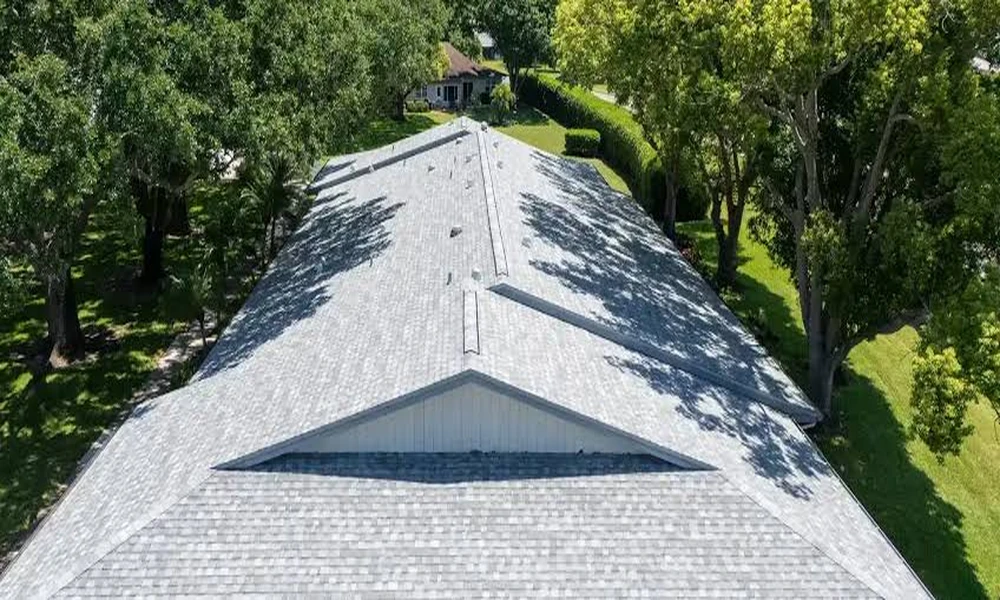
Most roof leaks in the Sacramento Valley get blamed on the storm that revealed them. A drip appears over the hallway during the first real rain of November, and it feels like the weather did something sudden and violent. In truth, the damage usually started months earlier, on a cloudless July afternoon when the shingles overhead were hot enough to burn skin.
That pattern is familiar to local roofers. A neighborhood outfit like Maginis Roofing, which handles residential roofing, gutter cleaning and repair, inspections and leak repairs from its home base in Rancho Cordova, watches the same calendar play out across Folsom, Elk Grove, Citrus Heights and Carmichael every year. The calls cluster after the first storm, yet the causes trace back to a long dry season that steadily wore the roof down.
Seeing that link between the two seasons changes how a homeowner looks at a roof. Instead of waiting for a stain on the ceiling, you can read what summer did before winter gets a chance to test it.
The Heat Does More Than Fade Shingles
Sacramento routinely sees stretches of triple digit days, and a dark asphalt roof absorbs far more than the air temperature suggests. Surface readings of 150 degrees or higher are common on a south or west facing slope. That heat slowly drives out the oils that keep asphalt flexible. Shingles turn brittle, granules loosen, and the mat underneath loses some of its ability to shed water.
The bigger problem is the swing. When the delta breeze rolls in during the evening, a roof that sat at 150 degrees in the afternoon cools sharply within a few hours. Repeat that through June, July, August and September, and the materials expand and contract well over a hundred times. Nails back out a fraction at a time. The sealant strips that bond each shingle to the one below lose their grip. None of it shows from the driveway.
Small Parts That Crack First
Shingles get the attention, but the first leaks of the season rarely start in the open field of the roof. They start where something pokes through it.
Pipe Boots and Vents
Plumbing vents are wrapped in rubber or neoprene collars, often called pipe boots. Years of direct sun turn that rubber hard and then split it, usually on the uphill side where nobody can see it from below. Water runs down the pipe, into the attic, and often shows up as a ring on the ceiling near a bathroom.
Flashing and Sealant
Metal flashing around chimneys, skylights and wall junctions is usually backed by caulk or roofing cement. Heat dries that compound until it shrinks away from the metal. The gap might be thinner than a credit card, which is plenty for wind driven rain.
Tile Roofs and Their Hidden Layer
Many newer subdivisions in Rancho Cordova and Folsom use concrete tile, and owners often assume tile roofs last forever. The tiles may, but the underlayment beneath them does most of the actual waterproofing and it ages much faster, often showing wear somewhere around the twenty year mark. Summer heat trapped under the tiles speeds that aging. A cracked or slipped tile then lets winter rain reach a membrane that may already be failing.
Gutters Fill Up Long Before They Overflow
The valley’s tree cover is part of its charm. Oaks, sycamores, pines and liquidambars line older streets in Carmichael, Fair Oaks and Rosemont, and they shed leaves, needles and seed pods all through the fall. Add the granules that baked shingles release over the summer, and a gutter can be half full of grit before a single storm arrives.
When an atmospheric river parks over the region and drops inches of rain in a day or two, a clogged gutter overflows at the worst possible spot. Water sheets behind the gutter, soaks the fascia board and works its way into the roof edge. Over time that leads to rotted fascia, soft decking at the eaves and, down at ground level, water pooling against the foundation. Downspouts that empty right beside the house only add to the trouble.
Reading the First Storm Like an Inspection
The first significant rain of the season is the most useful roof check a homeowner gets, provided you know where to look. Stay off the roof itself, since wet shingles and tile are slippery and easy to break. Most of what matters can be seen from the yard, the attic and inside the house.
- Ceiling stains or bubbling paint, especially near bathrooms, chimneys and exterior walls
- A musty or damp smell in the attic, or dark spots on the underside of the roof deck
- Gutters spilling over their front edge instead of draining through the downspouts
- Little piles of dark granules at downspout outlets, a sign shingles are shedding their protective surface
- Lifted, curled or missing shingles, or tiles that sit out of line with their neighbors
- Water marks on fascia boards or paint peeling along the roof edge
A flashlight trip into the attic during or just after rain is especially revealing. Water often travels along rafters before it drips, so the stain on your ceiling may sit several feet away from the actual opening.
The Cost of Waiting for Dry Weather
It is tempting to slide a bucket under a slow drip and plan to deal with it when the sun comes back. The trouble is that Sacramento packs most of its roughly 18 inches of yearly rain into a handful of months. Each storm pushes more water into the same weak spot. Insulation compacts and loses its value, drywall softens, and wood decking that stays damp all winter can begin to rot or grow mold.
Pests take advantage too. Roof rats are common across the region, and a loose vent screen or a gap at a rotted fascia gives them an easy route into a warm attic once the nights turn cold.
A targeted repair on a failed pipe boot or a short run of flashing is usually a modest job. The same leak left alone through January can grow into a deck replacement plus interior repairs.
Getting Ahead of Next Year’s Storms
The smartest window for roof care in the valley falls between the end of the heat and the start of the rain, roughly late September through October. An inspection then can catch cracked boots, open flashing seams and tired sealant while repairs are simple and crews are not yet buried in emergency calls. Gutter cleaning fits the same window, ideally after most leaves have dropped, with a second pass midway through winter if the trees around the house are heavy shedders.
Watching the forecast helps as well. The National Weather Service office in Sacramento posts storm outlooks and atmospheric river timing on its regional forecast page, which gives homeowners a few days of notice to clear gutters or tarp a known trouble spot before a big system rolls in.
Over the longer run, choices made during a reroof can soften the summer damage that sets up winter leaks. Lighter colored or reflective shingles run cooler. Good attic ventilation lets heat escape instead of cooking the deck from below. Quality underlayment buys time if a shingle or tile ever fails. California’s energy code already sets cool roof standards for many residential reroofs in the Sacramento area, so the real question is which product suits the house rather than whether to consider one at all.
The roof over a Sacramento home lives two very different lives each year. One is long, bright and punishing in ways that leave no visible mark. The other is short and wet, and it exposes every weakness the first one created. Homeowners who pay attention during the dry months tend to have far fewer surprises when the rain returns.