

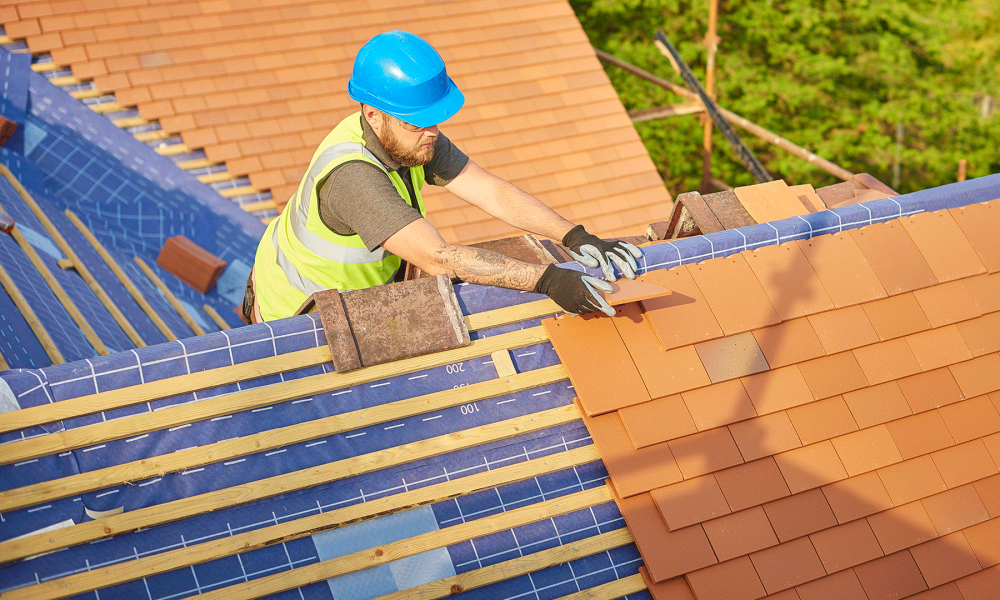
Commercial buildings bring roofing challenges completely different from what you’d find on houses. The size alone makes everything more complicated, but you’ve also got structural complexity, businesses running underneath while work happens, and piles of regulations to follow. Trying to use regular residential roofing methods on commercial buildings doesn’t work. Businesses can’t shut down for weeks. Safety rules get way stricter. Materials go beyond standard shingles and basic stuff. These differences explain why commercial property managers look for specialized providers instead of regular roofers.
Massive scale differences
- Commercial roofs span far bigger areas than houses. Your average home has 200 square meters of roof. Commercial buildings typically run past 2,000 square meters. Big warehouses and shopping centers can hit 10,000 square meters or even more.
- Roofing Services Cape Town works on both house roofs and commercial buildings, but commercial jobs need totally different equipment, way more workers, and project management that houses never require. Just the size turns what might seem like straightforward roofing into a major construction undertaking.
Flat roof expertise
Most commercial buildings sit under flat roofs or those with very slight slopes. Houses usually have pitched roofs covered in shingles. Flat roofs need completely different materials, and you install them totally differently, too. Systems like modified bitumen, TPO, EPDM, and built-up roofing demand knowledge that residential roofers don’t have.
Getting water off flat surfaces becomes absolutely critical. Water that pools up destroys roofs fast. Commercial roofers know exactly what slope you need and how to build drainage that actually moves water where it needs to go. Residential roofers spend their time on pitched shingles and don’t have this knowledge. Using the wrong methods leaves you with standing water, leaks everywhere, and a damaged structure underneath.
Business continuity planning
- Commercial buildings have businesses running inside them every day. Retail stores can’t close their doors to customers. Warehouses keep shipping orders no matter what. Office buildings need employees working without interruption. You can’t just shut everything down for weeks while the roof gets fixed.
- Commercial roofers who know what they’re doing plan around business schedules carefully. They break projects into sections so work happens in one spot while other areas keep operating normally. Noisy work gets scheduled for times when it won’t bother anyone. Inventory and equipment are protected from dust and construction debris. This kind of careful planning goes way beyond what residential projects ever need.
Complex HVAC integration
Commercial roofs hold heavy HVAC equipment – often multiple large units sitting right on the roof surface. Ductwork punches through the roofing membrane. Electrical wiring runs everywhere. Gas lines connect different pieces of equipment. Every single one of these penetrations could leak if not handled correctly. Specialized roofers work alongside mechanical contractors to get everything sealed properly. They keep access paths open so HVAC techs can reach equipment for maintenance later. They understand how much weight equipment adds and where it can safely sit. Residential roofers almost never deal with this stuff.
Safety regulation
Commercial roofing falls under tough occupational safety rules. Fall protection has to be installed before work starts. Every worker needs specific training and valid certifications. Equipment has to meet commercial-grade standards. Safety plans need written documentation and regular updates as conditions change. Houses face way fewer rules. Commercial roofers keep their safety certifications current. They carry the right insurance for commercial work. They get the liability issues that come up when working over spaces where people are doing business below.
Commercial roofs operate on a completely different scale, requiring specialised equipment and management that residential work never encounters. Flat roof systems use materials and methods that houses don’t need. Keeping businesses running creates scheduling puzzles that residential jobs never face. Property managers hiring residential roofers for commercial buildings find out about these differences when problems show up and bills start climbing.