

Understanding the Urgency
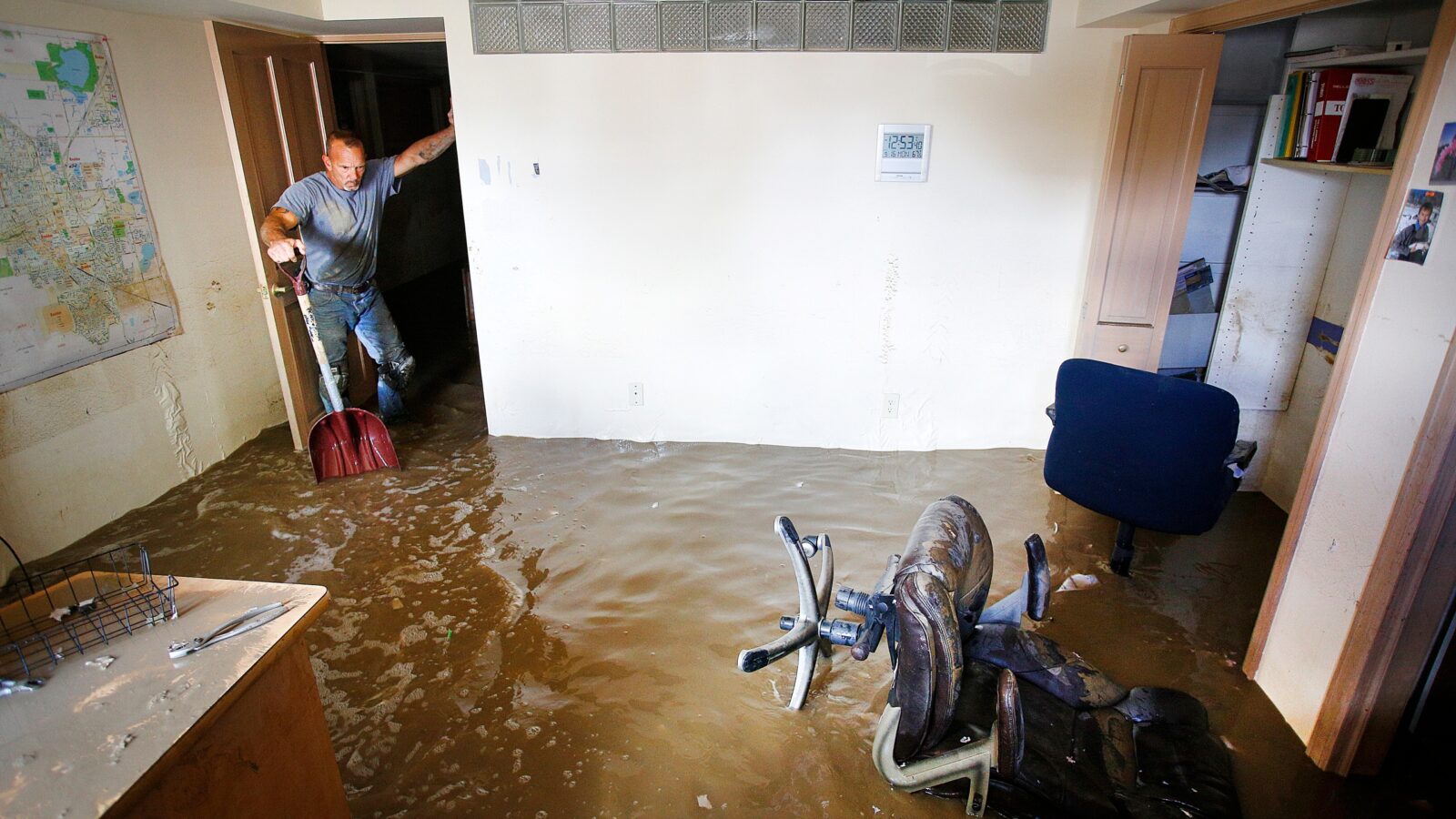
When a heavy storm hits, your sump pump is one of the most important tools protecting your home from flooding. It sits in a pit at the lowest point of your basement and works by pumping water away from your foundation. But when that pump fails during a major storm, the water has nowhere to go,and it can start rising quickly. Within an hour or less, you might have inches or even feet of water damaging your basement walls, flooring, storage, and electrical systems.
This type of flooding is more than just inconvenient. It can cause serious and expensive damage to your property. Furniture, drywall, appliances, and even your home’s foundation can be affected. Acting quickly is the key to limiting the damage and getting your home back to normal.
Stay Safe and Shut Off Power
Your first priority should always be safety. If water is entering your basement and your sump pump isn’t working, do not step into standing water,especially if you’re not sure whether the electricity has been turned off. Water can easily reach electrical outlets, creating a dangerous shock risk.
If it’s safe to do so, turn off the power to your basement from the main electrical panel. This prevents any risk of electrocution and protects your home’s wiring and appliances. Do not use any electrical equipment in a wet basement unless it is specifically rated for wet environments. Once the power is off, try to prevent the water from spreading by moving any valuables or blocking additional water from entering.
Call a Professional Water Damage Team
If your sump pump has failed and water is already rising, you need professional help right away. Seattle Restoration Pros can respond quickly with the right tools and expertise to remove standing water, dry out the space, and prevent long-term damage like mold or rot. Most homeowners are not equipped to handle large volumes of water. Wet/dry vacuums and home dehumidifiers simply aren’t powerful enough.
Restoration crews bring industrial-strength water pumps, moisture sensors, and drying fans to tackle water damage the right way. They’ll also check for structural issues or water that may have seeped into hidden areas behind walls or under flooring. If mold is a concern, a certified technician can begin remediation as part of the restoration process.
Preventing the Next Failure
Most sump pump failures happen because of power outages, switch malfunctions, or age. A common mistake is ignoring maintenance or assuming the pump will always work. Sump pumps have a limited lifespan,usually about 7 to 10 years,and can wear out without warning if not regularly checked. Having a backup battery system is one of the best ways to stay protected during storms that knock out power.
You can also test your pump between storms. Simply pour a bucket of water into the sump pit and see if the pump activates. If it doesn’t turn on or runs slowly, it may be time to call a plumbing contractor for maintenance or replacement. Preventative inspections every spring and fall can help catch problems before they become emergencies.
Expert Tip: Don’t Wait Until It’s Too Late
“A sump pump can’t help you if it doesn’t turn on,” says David Singleton, owner of Seattle Restoration Pros. “We see flooded basements every year because the pump either wasn’t maintained or it failed without a backup. Our advice is simple: test your sump pump before storm season and schedule a yearly inspection to avoid costly surprises.”
Knowing what to do when your sump pump fails can make a huge difference in protecting your home. The faster you act, the more you can save. Whether it’s shutting off power, calling a restoration team, or planning for the future with better backup systems, every step you take helps reduce the damage and stress that come with basement flooding.