

Tankless water heaters have transformed how many households enjoy hot water. They promise endless supply, greater energy efficiency, and a smaller footprint than traditional tanks. Yet, after a few years, many owners notice lukewarm showers, fluctuating temperatures, or rising energy bills. The issue often runs deeper than a simple fault. Understanding the underlying causes can save you money and restore performance.
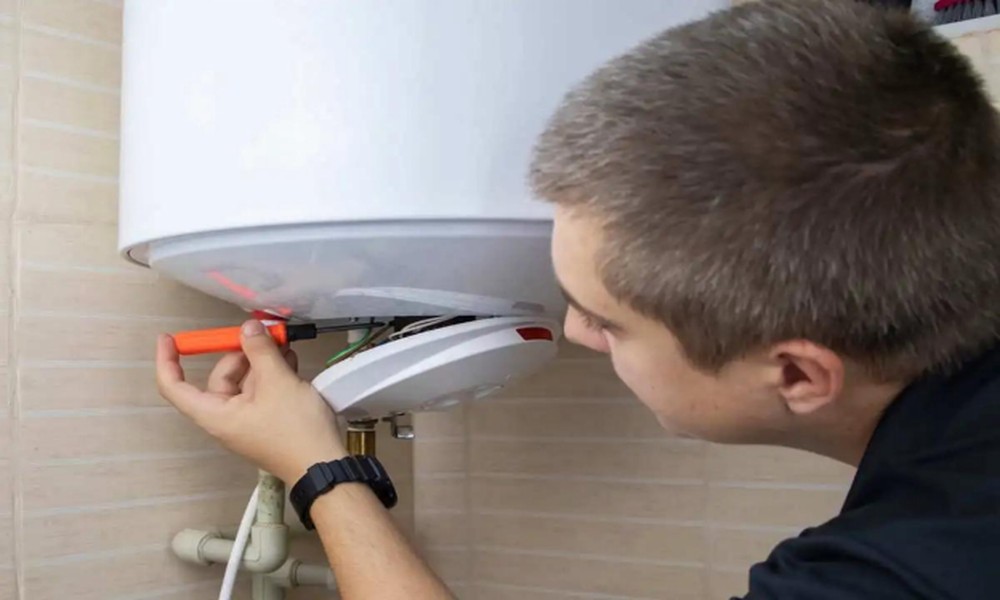
One of the most overlooked factors is proper care. If you’re in the market for expert support, professional tankless water heater maintenance in Sterling, VA can make a significant difference by addressing issues before they escalate. Regular servicing helps maintain the unit’s efficiency and longevity, particularly in areas with hard water.
Why Tankless Systems Lose Efficiency Over Time
Unlike conventional storage heaters, tankless models heat water on demand. Cold water passes through a heat exchanger-usually activated by gas or electricity-delivering hot water instantly. This design eliminates standby energy losses, but it also exposes internal components to continuous use and water conditions.
Over months and years, even minor inefficiencies compound. Flow rates drop, heating elements work harder, and the system consumes more energy to achieve the same temperature. Homeowners often blame the unit itself, yet the real culprit frequently lies in a gradual, invisible buildup inside the appliance.
The Primary Culprit: Mineral Scale and Sediment
Hard water contains dissolved minerals, primarily calcium and magnesium. When water heats rapidly in the narrow passages of a tankless heat exchanger, these minerals precipitate out and form limescale. Unlike a tank heater, where sediment settles at the bottom, scale in tankless units adheres directly to the heating surfaces.
This layer acts as an insulator. Heat transfer efficiency plummets as the scale thickens. The system must burn more fuel or draw more electricity to push the same amount of heat through the barrier. In severe cases, scale restricts water flow, triggering error codes or causing the unit to shut down intermittently.
Areas with particularly hard water see these problems emerge within 12 to 24 months. Even in regions with moderately hard water, scale accumulates over three to five years if left unaddressed. Manufacturers often recommend descaling every 6 to 12 months, yet many homeowners remain unaware until performance noticeably declines.
Other Common Factors That Reduce Performance
While scale is the dominant issue, several additional factors can contribute:
Inadequate Flow Rate
Tankless heaters require a minimum flow to activate. If your showerhead or tap is too restrictive, or if multiple outlets run simultaneously, the unit may struggle. Older homes with clogged pipes exacerbate this problem.
Incorrect Sizing or Installation
A unit too small for your household’s peak demand will run continuously at maximum capacity. Poor venting, improper gas line sizing, or incorrect electrical connections can also limit efficiency from day one.
Sensor and Component Wear
Flow sensors, temperature sensors, and ignition components degrade over time. Dirty or failing sensors cause the system to misread demand, leading to inconsistent temperatures.
Cold Inlet Water Temperatures
In winter, groundwater temperatures drop significantly. The heater must work harder to raise the water to your desired temperature. While this is normal, combined with scale, it can push the system beyond efficient operating parameters.
Recognising the Warning Signs
Early detection prevents costly repairs. Watch for these indicators:
- Longer wait times for hot water
- Inconsistent temperatures during use
- Higher than usual energy bills
- Unusual noises such as popping or hissing
- Error codes on the digital display
- Reduced water pressure from hot taps
If you notice any combination of these symptoms, the unit likely needs attention rather than replacement.
Effective Maintenance Strategies
Preventive maintenance extends the life of your tankless water heater well beyond the typical 15-20 year expectancy.
Begin with annual flushing using a descaling solution designed for the purpose. This process removes mineral deposits without damaging the heat exchanger. For DIY enthusiasts, vinegar solutions can work for mild cases, but professional-grade cleaners and proper equipment deliver superior results.
Install a water softener or scale inhibitor if your local water supply is hard. These systems reduce mineral content before it reaches the heater, dramatically slowing accumulation.
Replace inlet filters regularly. Many units have small screens that trap debris. A clogged filter restricts flow and forces the system to work harder.
Professional servicing offers additional benefits. Technicians can inspect combustion chambers, clean burners, test electrical components, and verify proper venting-tasks that go beyond simple flushing. They also calibrate the unit for optimal performance based on your specific usage patterns.
In regions like Sterling, VA, where water conditions vary, expert local knowledge proves invaluable for tailoring maintenance to your home’s needs.
When Professional Help Becomes Essential
While basic maintenance is manageable for handy homeowners, complex issues require qualified technicians. Attempting major repairs without proper training can void warranties and create safety hazards, especially with gas appliances.
Professionals bring specialised tools for thorough descaling, pressure testing, and component diagnostics. They can also assess whether repairs make economic sense or if upgrading to a newer, more efficient model would be wiser.
Maximising Long-Term Efficiency
Beyond maintenance, small behavioural adjustments help. Set your heater’s output temperature to around 49-52°C (120-125°F) rather than maximum. This reduces scale formation while still providing ample hot water when mixed with cold.
Insulate hot water pipes to minimise heat loss. Consider recirculation pumps with timers if you frequently wait for hot water at distant taps.
Stay informed about your specific model. Manufacturer guidelines differ, and some units feature self-cleaning modes or advanced monitoring apps that alert you to potential problems.
The Bottom Line
The real reason your tankless water heater isn’t working efficiently is rarely a dramatic failure. Instead, it usually stems from gradual mineral buildup combined with insufficient maintenance. Addressing these issues proactively restores performance, lowers energy costs, and protects your investment.
Don’t wait for cold showers or spiking utility bills to take action. A proactive approach to care whether through regular descaling, professional servicing, or water treatment, keeps your system running at peak efficiency for years to come.
If performance has already declined, expert assessment can quickly identify whether simple maintenance or more extensive work is required. Modern tankless technology delivers exceptional comfort and efficiency when properly maintained. The difference lies in consistent, informed care rather than reactive repairs.
By understanding the science behind the decline and committing to regular upkeep, you can enjoy reliable hot water while maximising both performance and value from your tankless water heater.