

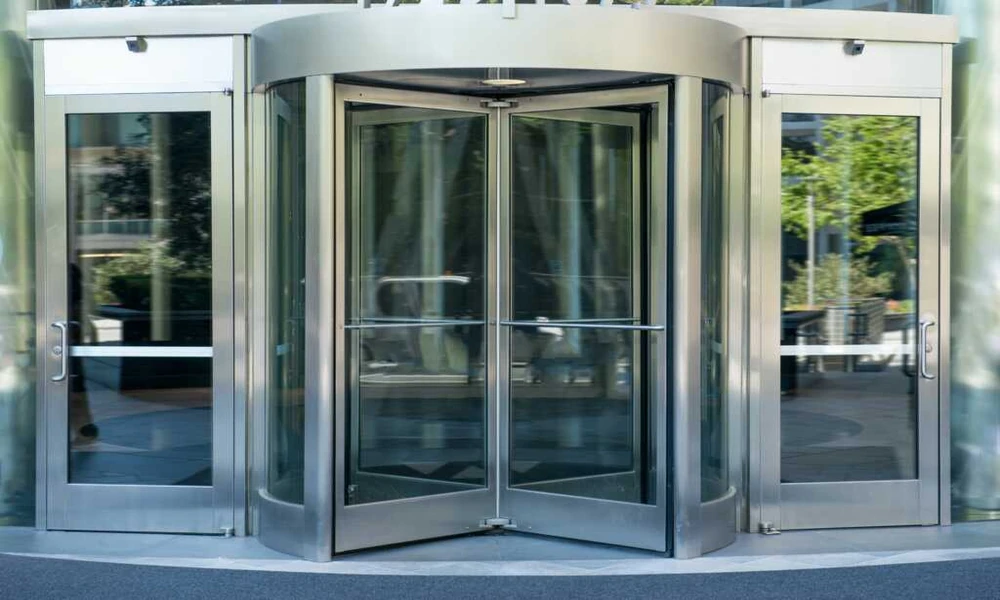
Industrial doors are the unsung heroes of warehouses, factories, and commercial hubs. They control access, protect inventory, and keep operations running smoothly. Yet, myths around their operation can lead to costly mistakes and dangerous oversights. Here’s what every facility manager, business owner, and safety officer needs to know to ensure industrial doors operate safely and efficiently, day in and day out.
Myth 1: Industrial Doors Don’t Require Regular Maintenance
The daily grind of a busy facility puts a surprising amount of stress on industrial doors. Skipping maintenance isn’t just a gamble; it’s an invitation for unexpected breakdowns.
Why Routine Inspections Are Crucial
Even the toughest doors deteriorate under constant use. Hinges loosen, sensors drift out of alignment, and moving parts collect dust and grit. Scheduling frequent checks, monthly for high-traffic doors, can catch minor issues before they turn critical. Inspection logs not only build a maintenance history but can also help pinpoint recurring trouble spots.
Common Signs of Wear and Tear to Watch For
Be alert for sluggish operation, squeaking or grinding noises, visible rust, damaged weather seals, or frayed cables. These early warnings are easy to ignore, but addressing them promptly can prevent major malfunctions and downtime.
Myth 2: Safety Features on Industrial Doors Are Optional Extras
It’s tempting to skip safety add-ons to cut costs, but safety features are not bells and whistles; they are essential.
Essential Safety Components You Should Never Ignore
Photoelectric sensors, emergency release mechanisms, and warning lights are some of the core safety components. Interlocking mechanisms can halt a door if an obstruction is detected, shielding staff and goods from harm. Anti-drop devices, especially on heavy rolling steel doors, prevent dangerous free falls in case of cable or spring failure.
Real Risks of Skipping Safety Upgrades
Neglecting safety features exposes staff to serious injuries and companies to liability issues. A single accident can lead to costly legal claims, insurance spikes, and lost productivity. Investing in safety is ultimately an investment in uninterrupted operations.
Myth 3: Only Specialists Can Handle Door Repairs
Not every problem requires expert intervention, but knowing your limits is crucial.
What Tasks Can Be Safely Performed In-House
Simple upkeep such as lubricating moving parts, tightening bolts, or clearing debris from tracks can be safely managed by trained staff. Regular cleaning and visual inspections are basic yet invaluable steps anyone can take.
When to Call in Professionals for Repairs and Replacements
Complex repairs, like adjusting spring tension, replacing cables, or recalibrating sensors, demand professional expertise. Not only does this maintain warranty coverage, but it also protects your team from injury. For major repairs or total replacements, consulting experts like Door Doctor is a smart move, ensuring the job is done safely and to code.
Myth 4: All Industrial Doors Operate the Same Way
Industrial doors are not one-size-fits-all. Different types serve different needs, and choosing the wrong one can create more problems than it solves.
Comparing Rolling Steel, High-Speed, and Impact Doors
| Door Type | Main Use | Speed | Durability | Typical Features |
|——————|—————————|—————|—————|———————————|
| Rolling Steel | Heavy-duty security | Slow | Very high | Fire-rated, anti-drop device |
| High-Speed | Temperature control areas | Very fast | Moderate-high | Insulated, quick open/close |
| Impact Doors | Forklift traffic zones | Moderate | High | Swing open both directions |
Choosing the Right Door Type for Your Facility
Evaluate your traffic patterns, security concerns, and environmental controls. For instance, high-speed doors are a perfect fit for cold storage, while rolling steel doors offer maximum protection for exterior access points.
Myth 5: Automated Doors Are Less Reliable Than Manual Ones
Automation, once considered exotic, is now the backbone of efficient industrial movement.
Advances in Electric Operators and Automation Technology
Modern electric operators are smarter and more robust than ever. Features like automatic closure, programmable opening speeds, and wireless monitoring make operation seamless and reduce human error.
How Automation Enhances Efficiency and Safety
Automated doors lower the risk of injury by minimizing manual handling. They streamline logistics, maintain climate zones, and integrate with building access control systems for added security.
Myth 6: Installing Industrial Doors Is a One-Time Job
Installation is just the beginning of a door’s operational life.
Importance of Proper Installation for Longevity
Correct installation ensures every component is aligned and operating at peak performance. A rushed or improper setup can shorten a door’s lifespan and increase repair costs down the line.
How Regular Adjustments and Calibration Improve Performance
Over time, even well-installed doors require fine-tuning. Regular adjustments, like recalibrating sensors or re-tensioning springs, maintain smooth, safe, and efficient operation.
Myth 7: Safety Training for Door Operation Is Unnecessary
The best equipment is only as safe as the people using it.
Training Best Practices for Operators and Staff
Every employee who interacts with industrial doors should understand operational limits, emergency procedures, and the basics of troubleshooting. Brief refresher sessions after maintenance or system upgrades are valuable.
Preventing Accidents Through Awareness and Protocols
Clear signage, simple operation protocols, and an open-door policy for reporting concerns can avert accidents before they happen. Empower your staff to act if something seems off.
Final Thoughts: Building a Culture of Safety and Efficiency
Safe, efficient industrial door operation is not a single task; it’s a mindset. Integrating regular maintenance, thorough staff training, and smart technology is the surest way to keep your facility running smoothly. Partnering with reputable service providers ensures your doors are more than just entry points, they are active contributors to your productivity and safety.