

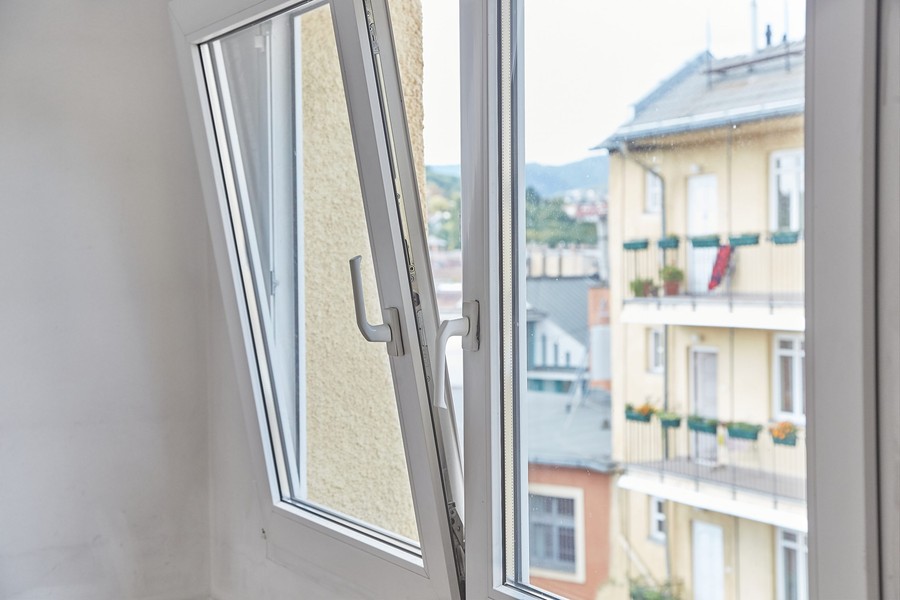
Tilt-turn windows are a popular choice for modern homes, offering versatility, energy efficiency, and a sleek design that combines the functionality of both casement and hopper windows. Originating from Europe, these windows can tilt inward from the top for ventilation or swing open like a door for easy cleaning and access. However, like any home feature, they require proper care to ensure they remain functional, secure, and aesthetically pleasing over the years. Neglecting maintenance can lead to issues such as drafts, sticking mechanisms, or even costly replacements. In this comprehensive guide, we’ll explore essential maintenance tips for tilt-turn windows to help them last longer, improve your home’s energy efficiency, and save you money in the long run.
Whether you’re a homeowner with newly installed tilt-turn windows or someone looking to extend the life of existing ones, these practical tips will cover everything from daily routines to seasonal checks. By incorporating these strategies, you can prevent common problems and enjoy the full benefits of your windows for decades.
Understanding Tilt-Turn Windows and Their Unique Needs
Before diving into specific maintenance tips, it’s helpful to understand what makes tilt-turn windows (dreh kipp fenster) special and why they demand targeted care. Unlike traditional single-hung or double-hung windows, tilt-turn models feature a dual-action mechanism that allows for two opening modes: tilting for secure ventilation and turning for full access. This design relies on high-quality hardware, including hinges, handles, and locking systems, which are more complex than those in standard windows.
The materials used—often uPVC, aluminum, or wood—also play a role in maintenance. uPVC and aluminum frames are low-maintenance and resistant to rot, but they can expand or contract with temperature changes, affecting seals and operation. Wooden frames, while beautiful, are more susceptible to moisture and require protective finishes. Proper maintenance not only preserves the window’s functionality but also enhances indoor air quality, reduces energy bills, and boosts curb appeal.
One key aspect is recognizing that tilt-turn windows are exposed to environmental factors like dust, pollen, rain, and UV rays. Over time, these can degrade seals, corrode hardware, or cause discoloration. Regular upkeep ensures they operate smoothly, providing optimal insulation and security. According to industry experts, well-maintained windows can last 20-30 years or more, far outpacing neglected ones that might fail in half that time.
Establishing a Regular Cleaning Routine
The foundation of long-lasting tilt-turn windows is a consistent cleaning schedule. Dirt, grime, and debris can accumulate on frames, glass, and tracks, leading to scratches, reduced clarity, and operational issues. Aim to clean your windows at least twice a year—once in spring and once in fall—or more frequently if you live in a dusty or polluted area.
Start with the exterior: Use a soft brush or vacuum attachment to remove loose dirt from the frames and sills. Mix a mild detergent with warm water and apply it using a soft cloth or sponge, avoiding abrasive materials that could scratch the surface. For glass, a vinegar-water solution (1:1 ratio) works wonders for streak-free results. Rinse thoroughly with clean water and dry with a microfiber cloth to prevent water spots.
For the interior, open the window in turn mode to access all areas easily. Clean the hinges and locking points gently, ensuring no soap residue remains, as it can attract more dirt. If your windows have drainage channels (common in uPVC models), clear them of blockages using a thin wire or compressed air to prevent water buildup, which could lead to mold or frame damage.
Pro tip: Avoid high-pressure washers, as they can force water into seals and cause leaks. Instead, opt for gentle hand washing. This routine not only keeps your windows looking new but also allows you to spot early signs of wear, such as cracks in seals or loose hardware.
Inspecting Hardware and Seals for Optimal Performance
The hardware and seals are the unsung heroes of tilt-turn windows, ensuring smooth operation and airtight closure. Regular inspections can catch problems before they escalate, saving you from expensive repairs.
Begin by checking the handles and locks monthly. Operate the window in both tilt and turn modes to ensure it moves freely without resistance. If you notice stiffness, it might indicate misalignment or dirt buildup. Tighten any loose screws on the handle, but be cautious not to overtighten, as this can strip the threads.
Seals, typically made of rubber or silicone, should be inspected seasonally. Look for cracks, brittleness, or gaps where air or water might seep through. A simple test is to close the window and hold a lit candle nearby—if the flame flickers, there’s a draft indicating seal failure. Clean seals with a damp cloth and mild soap, then apply a silicone-based lubricant sparingly to keep them supple.
For wooden frames, inspect for signs of rot or insect damage, especially around the bottom where moisture collects. Sand and repaint or varnish as needed to protect against the elements. Aluminum and uPVC frames might show signs of oxidation or fading; a protective wax coating can restore shine and add a layer of defense.
Remember, improper installation can lead to premature wear, so if your windows are new and already showing issues, consult the installer. Consistent inspections help maintain energy efficiency, potentially reducing heating and cooling costs by up to 15-20%.
Lubricating Moving Parts to Prevent Wear and Tear
Lubrication is crucial for the longevity of tilt-turn windows’ mechanical components. Without it, friction can cause parts to grind, leading to breakdowns over time.
Focus on hinges, pivots, and sliding mechanisms. Use a high-quality silicone spray or graphite lubricant—avoid oil-based products, as they attract dust and can gum up the works. Apply lubricant every six months or after cleaning. Open the window fully, spray a small amount on the moving parts, and operate it several times to distribute evenly. Wipe away excess to prevent drips.
For multi-point locking systems, lubricate the bolts and cams similarly. This ensures secure locking and easy operation. In coastal areas, where salt air accelerates corrosion, increase frequency to quarterly.
A common oversight is lubricating the tracks or channels—do this lightly to allow smooth gliding. Proper lubrication not only extends hardware life but also quiets noisy operations, enhancing your home’s comfort.
Proper Handling and Operation Techniques
How you use your tilt-turn windows daily impacts their durability. Mishandling can strain mechanisms and lead to failures.
Always use the handle to open and close—never force the window by pushing on the frame or glass. When switching modes, ensure the window is fully closed before turning the handle to the tilt position. Forcing it can damage the gearing system.
In windy conditions, avoid leaving windows in tilt mode, as gusts can slam them shut and bend hinges. Teach family members, especially children, proper usage to prevent accidents.
During extreme weather, like heavy rain or snow, keep windows closed to minimize exposure. If condensation forms inside (indicating high humidity), use a dehumidifier rather than wiping constantly, which can wear seals.
By adopting gentle handling habits, you’ll reduce stress on components, ensuring your windows remain reliable year after year.
Enhancing Weatherproofing and Insulation
Tilt-turn windows excel in insulation, but maintenance is key to preserving this feature. Weatherproofing protects against elements and maintains energy efficiency.
Check and replace weatherstripping as needed—it’s the flexible material around the edges that seals gaps. If it’s compressed or torn, remove the old strip and apply new self-adhesive ones for a snug fit.
For better insulation, consider adding window films or secondary glazing in colder climates. These reduce heat loss without altering the window’s operation.
Seasonal adjustments, like tightening hardware in winter for a tighter seal, can prevent drafts. In summer, ensure ventilation modes work to improve airflow without compromising security.
Effective weatherproofing not only prolongs window life but also contributes to a greener home by lowering energy consumption.
When to Seek Professional Maintenance
While DIY tips cover most needs, some issues require expert intervention. If you notice persistent drafts, difficulty operating, or visible damage like warped frames, call a professional.
Annual professional inspections are recommended for older windows or those in harsh environments. Technicians can realign mechanisms, replace worn parts, and apply specialized treatments.
For warranty-covered windows, stick to manufacturer guidelines to avoid voiding coverage. Professionals can also advise on upgrades, like energy-efficient glass replacements.
Knowing when to DIY and when to call pros ensures your investment is protected.
Common Mistakes to Avoid in Tilt-Turn Window Maintenance
Even well-intentioned efforts can go wrong. Avoid using harsh chemicals, which can degrade materials. Don’t ignore small issues—they often snowball.
Over-lubricating attracts grime, so apply sparingly. Neglecting drainage holes leads to water damage, and improper cleaning tools cause scratches.
By steering clear of these pitfalls, you’ll maximize your windows’ lifespan.
Conclusion: Investing in Longevity for Your Home
Maintaining tilt-turn windows doesn’t have to be overwhelming—with regular cleaning, inspections, lubrication, and mindful use, you can ensure they remain a valuable asset to your home. These tips not only extend their life but also enhance comfort, security, and efficiency. Start implementing them today, and you’ll enjoy hassle-free windows for years to come. If you’re installing new ones, choose quality brands and follow these guidelines from day one. Your home—and wallet—will thank you.