

Almost every indoor pest problem a Kansas City homeowner encounters traces back to a moisture source somewhere in the structure. Silverfish in the guest bathroom. Carpenter ants in a window sill. Cockroaches under a kitchen sink. Booklice along a basement seam. Centipedes in the laundry room. The insects themselves are downstream of the actual problem, and spraying visible activity without addressing the water creates a cycle most homeowners recognize from previous years of failed treatment. Kansas City pest control providers with a structural orientation, including ZipZap Termite & Pest Control in Lawson, see the same room-by-room pattern in most homes they inspect, and the fix is usually less about chemistry than plumbing, grading, or ventilation.
Why Moisture Drives the Pattern
Most household pests are constrained by humidity more than by food access. The University of Kentucky Entomology program and the University of Missouri Extension both publish guidance that treats moisture as the primary indoor pest driver, and the species most Kansas City homeowners encounter line up neatly with that framework.
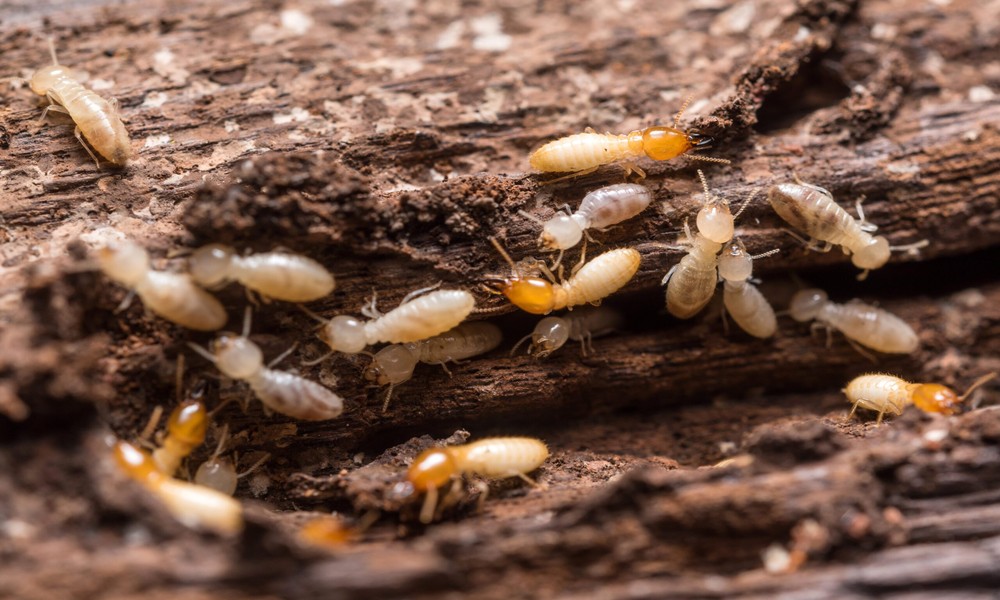
Silverfish and firebrats need relative humidity above about 75 percent at the microhabitat level. Booklice require enough moisture to support the microscopic fungi they feed on. Carpenter ants strongly prefer wood that has already been softened by moisture damage. German cockroaches need regular access to free water and can go much longer without food than without drinking. Subterranean termites cannot survive in dry soil or dry wood.
A home that is dry in the right places is an inhospitable home for most of these species. A home with moisture problems localized to specific rooms becomes a predictable map of where the pest problems show up.
Bathrooms: The Silverfish and Drain Fly Room
Bathrooms without adequate ventilation produce persistent elevated humidity, particularly in the 12 to 24 hours after showers. The fan requirement under the International Residential Code is 50 cubic feet per minute for most bathrooms, and the fan should vent to the exterior, not to an attic space. A high percentage of older Kansas City homes have either no fan or a fan vented into attic insulation, both of which concentrate moisture in the exact spot where silverfish thrive.
Silverfish in grout lines, behind toilets, and along baseboards indicate a humidity problem. Moldy tile grout, warped drawer bottoms under vanities, and peeling paint at ceiling corners are the associated signs. Correcting ventilation and running a dehumidifier in a persistently damp bathroom eliminates most silverfish populations within a few weeks.
Drain flies emerging from bathroom sinks or shower drains indicate biofilm accumulation inside the trap or drain line. The flies breed in the organic film, not in the water itself, and the fix is mechanical cleaning of the drain with a brush and enzymatic cleaner rather than chemical treatment.
Kitchens: The Cockroach and Ant Room
German cockroaches establish in kitchens with available moisture, most commonly from a slow leak at the sink trap, condensation behind the refrigerator, a leaking dishwasher supply line, or standing water in the drip pan below the freezer.
Odorous house ants and pavement ants forage through kitchens looking for water as much as food. A trail of small dark ants appearing in late spring, often at the base of the dishwasher or along the countertop near the sink, frequently traces to a minor leak no one has noticed. Fixing the leak ends the trail more reliably than spraying it.
Carpenter ants in a kitchen almost always indicate soft wood in the window sill above the sink, a deteriorated sill plate behind the dishwasher, or a roof leak that has quietly saturated the wall cavity above a corner cabinet.
Basements: Where Most Problems Actually Start
Basements are moisture reservoirs for the rest of the house. Elevated basement humidity migrates upward through framing cavities and contributes to pest pressure throughout the structure.
Common sources in Kansas City homes include clogged gutters dumping water against the foundation, downspouts discharging within six feet of the house, negative grading that slopes soil toward the foundation, poured-concrete foundation walls without exterior waterproofing, and efflorescence (the white chalky deposit on basement walls) that indicates chronic moisture migration through the concrete.
Booklice appear along sheetrock seams, in stored cardboard, and on basement bookshelves when humidity sits above about 60 percent. Centipedes and millipedes wander in through the sill plate when saturated soil outside pushes them to drier ground. Camel crickets (the large hopping insects that startle most basement visitors) are a humidity indicator in their own right, breeding in damp corners and under stored items.
A basement dehumidifier sized for the square footage and run to hold relative humidity at 50 percent or below eliminates most of these species within a season. The EPA recommends indoor relative humidity between 30 and 50 percent for both health and pest management reasons.
Crawl Spaces: The Termite and Fungus Zone
Crawl spaces without adequate vapor barrier, or with damaged barriers that no longer cover the soil, contribute massive amounts of moisture to the house above. Wood-destroying fungi establish in joists and subflooring at wood moisture content above about 20 percent, and the same conditions that support fungus also support subterranean termites foraging upward from the soil.
Proper encapsulation, with a six-mil polyethylene barrier sealed to piers and foundation walls, dramatically reduces crawl space humidity. In older Kansas City homes, this single improvement often eliminates chronic pest pressure throughout the first floor.
Laundry Rooms: The Overlooked Contributor
Dryer vent failures are a quiet source of indoor moisture. A vent that has separated inside a wall cavity, or one that terminates in a screened port clogged with lint, can push humid exhaust back into the wall. The downstream effects include mold in drywall, attracted silverfish, and in some cases termite activity in the wall assembly.
Supply line leaks behind the washer are another common source. A slow leak that never reaches the floor visibly can still saturate subfloor and support decades-long wood destroyer activity.
Why Kansas City Pest Control That Starts With Moisture Works Better
A thorough inspection that maps moisture sources before prescribing treatment identifies the root cause of most ongoing pest complaints. Companies that approach the work this way, including Kansas City pest control providers like ZipZap Termite & Pest Control, often recommend a combination of structural correction, targeted exclusion, and limited chemical application rather than a recurring spray program. The results tend to last longer and address multiple pest categories at once.
A dehumidifier in the right basement corner, a bathroom fan actually vented outside, and a gutter extension moving roof water six feet away from the foundation frequently accomplish more than three rounds of perimeter treatment.
The Short Version
Silverfish are a humidity problem. Carpenter ants are a wood moisture problem. Cockroaches need water more than food. Termites need soil moisture to survive. A Kansas City pest control approach that starts by mapping the moisture sources in a home almost always identifies why a persistent pest problem has outlasted previous treatment, and fixing the underlying water issue often solves several pest categories at once. For homeowners tired of the same spray cycle, a structural inspection from a provider such as ZipZap Termite & Pest Control usually produces a more durable result than another round of chemistry.