
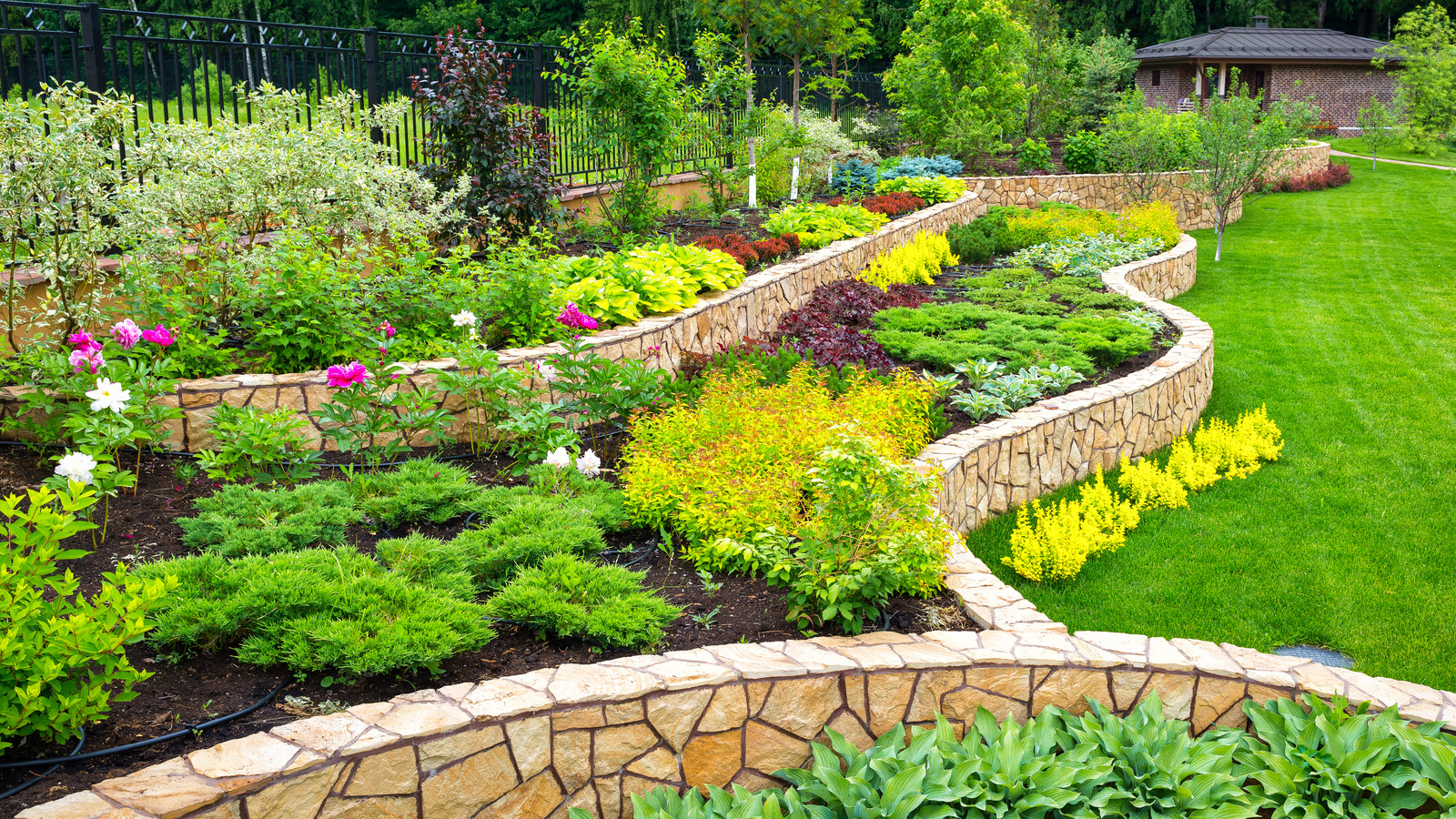
Creating garden terraces or sloped planting beds can dramatically transform an uneven or hilly landscape into a usable, aesthetically pleasing garden space. A key tool for this task is the plate compactor, which compresses soil, gravel, and similar materials to form a solid and stable foundation. Whether you’re building retaining walls, laying garden paths, or stabilizing slopes, using a plate compactor correctly ensures durability and long-term performance of your garden design.
Why Compaction Is Critical in Terracing Projects
When building terraces or sloped beds, one of the main challenges is maintaining structural integrity. Without proper compaction, loose soil can erode, collapse, or shift over time, especially after rain. A plate compactor compresses the base material to reduce air gaps, increase load-bearing capacity, and resist erosion.
For sloped areas, compacted layers create better footing for retaining walls and prevent uneven settling of topsoil or pavers. For terraces, compacted platforms allow for planting zones, seating areas, or garden paths to remain level and secure.
Selecting the Right Plate Compactor
Before starting your project, choose a machine suited to the terrain and material. For most residential garden work, a mid-sized plate compactor is sufficient. However, if you’re dealing with steep slopes or heavy base material (like crushed rock or compactible fill), a reversible plate compactor offers more control and power, moving forward and backward with ease.
If you’re unsure what type of compactor suits your needs, consult a professional plate compactor manufacturer for guidance on machine specifications, weight classes, and soil compatibility.
Preparing the Site for Terracing or Sloped Beds
Start by planning the layout of your terraces or sloped planting beds. Mark the contour lines using spray paint, string, or stakes. Remove any vegetation, debris, and loose topsoil in the work area.
Next, create steps or benches into the slope, depending on your design. For terraces, each bench should be relatively level, while for sloped beds, the incline can remain but should be smoothed and graded evenly.
Layering and Compacting Base Material
Once the general shape is formed:
- Spread the Base Material: Use gravel, crushed rock, or other compactible materials to build each layer. Keep the thickness of each lift (layer) between 2 to 4 inches.
- Moisture Control: Lightly moisten the material with water.Too little moisture makes compaction ineffective; too much turns the material into mud.
- Use the Plate Compactor: Turn on the plate compactor and run it over the entire surface in overlapping passes. Begin at one side and gradually move across the entire bench or slope. Avoid sudden turns or jerky movements that may cause the surface to become uneven.
- Repeat for Each Layer: Add additional layers and compact after each lift until you reach the desired terrace height or bed slope. Take your time—quality compaction ensures lasting strength.
Compact Behind Retaining Structures
If your terraces are supported by retaining walls (e.g., timber, stone, or concrete blocks), backfill behind them in layers and compact carefully. This step is critical to prevent wall failure due to pressure from un-compacted soil. Use hand tampers or smaller compactors in tight spaces to avoid damaging the wall.
Final Touches and Soil Preparation
After completing the structural compaction:
- Spread a top layer of quality garden soil or mulch for planting.
- Rake and level this layer gently—do not compact the planting zone unless it will support stone paths or hardscape.
- Install drainage systems if necessary to prevent water from pooling behind walls or running off too quickly.
Safety and Best Practices
- Always wear appropriate safety gear, including gloves, hearing protection, and steel-toe boots.
- Avoid compacting on steep slopes in wet conditions, as the machine may slip.
- Allow the compactor to run at idle for a few minutes before shutting it off to help cool the engine.
- Regularly check for loose bolts or wear if working on a large project.
Using a plate compactor correctly when creating garden terraces or sloped beds is essential to building stable, long-lasting outdoor spaces. With proper preparation, layered compaction, and the right equipment, you can transform uneven terrain into functional beauty. Whether you’re building a series of terraces or planting on a gentle slope, compacting the base ensures your efforts stand strong against time and the elements.