

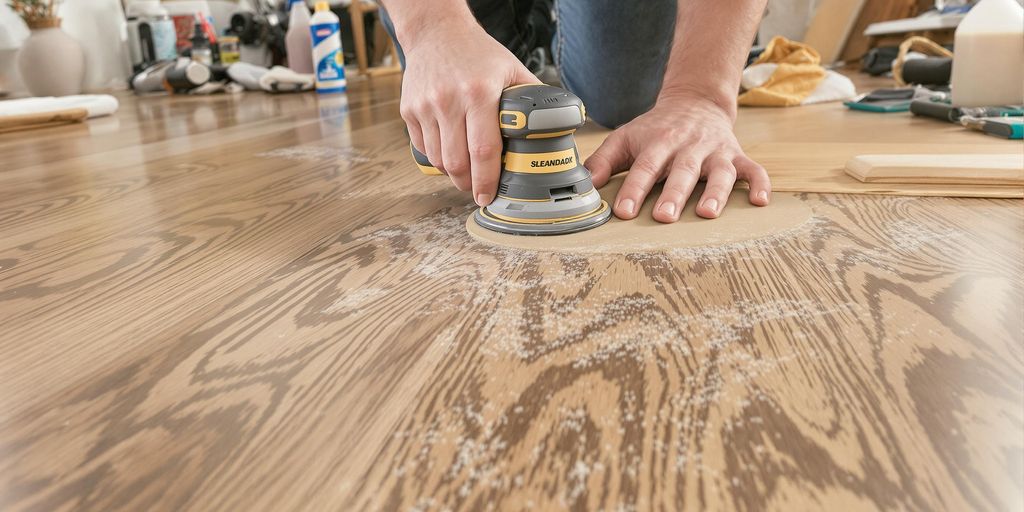
Hardwood floors are one of the most desirable features in any home. They add warmth, elegance, and long-term value. However, even the most durable hardwood surfaces eventually show signs of wear and tear. Scratches from pets, dents from dropped objects, water stains, or gaps caused by humidity can all affect both the appearance and the structural integrity of flooring.
When issues arise, professional repair becomes the best solution. But homeowners often wonder: how long does hardwood floor repair usually take? The answer depends on the type of damage, the size of the repair area, and whether refinishing is necessary.
What Affects the Timeline for Hardwood Floor Repair?
1. The Type of Damage
- Minor scratches and scuffs – These can often be sanded out or buffed in a single visit, usually taking just a few hours.
- Deep gouges or cracks – Replacing individual boards is more time-intensive, requiring cutting, fitting, and staining new planks.
- Water damage – This is one of the lengthiest repairs because the area must be dried completely before work begins, which can add several days to the process.
2. The Size of the Area
The scale of the repair makes a big difference:
- Small, isolated repairs may take half a day.
- Medium areas—like part of a living room—can take 1–2 days.
- Full-room or multiple-room repairs with refinishing often require 3–5 days.
3. Refinishing vs. Spot Repair
Repairing a single board can be done quickly, but if the repair doesn’t match the existing floor perfectly, refinishing the entire surface may be necessary. Refinishing adds several steps: sanding, staining, sealing, and drying between coats, often extending the project by 2–4 days.
Typical Repair Timelines
| Type of Repair | Average Timeframe |
| Light scratch or dent removal | 2–4 hours |
| Single board replacement | 3–6 hours |
| Multiple board repair | 1–2 days |
| Full refinishing after repair | 3–5 days |
| Water-damaged section replacement | 4–7 days (including drying) |
These timelines assume normal working conditions. Complex damage, unusual wood species, or custom stains may extend the process.
Professional vs. DIY Repairs
Some small cosmetic issues can be handled with DIY kits, but larger repairs almost always require professional expertise. Incorrect sanding can cause uneven surfaces, while poorly matched stains make repairs stand out rather than blend in. Professionals bring precision, proper tools, and years of experience to ensure seamless results.
Homeowners who want long-lasting results often turn to trusted specialists such as Mebesa hardwood floor repair, known for restoring floors with craftsmanship that preserves both beauty and durability.
How to Prepare for a Faster Repair Process
- Clear the space – Remove furniture, rugs, and décor before the team arrives.
- Control indoor humidity – Excess moisture can delay repair and drying times.
- Discuss finishes in advance – Agree on stain color and sealing method to avoid mid-project changes.
- Plan around your schedule – Repairs and refinishing require drying time, during which the area may be off-limits.
Why Timelines Are Worth the Wait
Hardwood floors are a long-term investment, and repairing them properly ensures they last for decades. A few days of repair and refinishing restores their beauty, prevents further damage, and adds value to your home. Quick, temporary fixes may save time upfront but often lead to costlier repairs later.
Final Thoughts
The time it takes to repair hardwood floors varies widely—from just a few hours for minor scratches to nearly a week for water damage and full refinishing. The type of damage, the extent of the area, and the finishing process all determine how long the work will take.
By choosing experienced professionals, you can be confident the repairs will blend seamlessly and extend the life of your flooring. With the right care and expert service, your hardwood floors can continue to be a standout feature in your home for many years to come.