

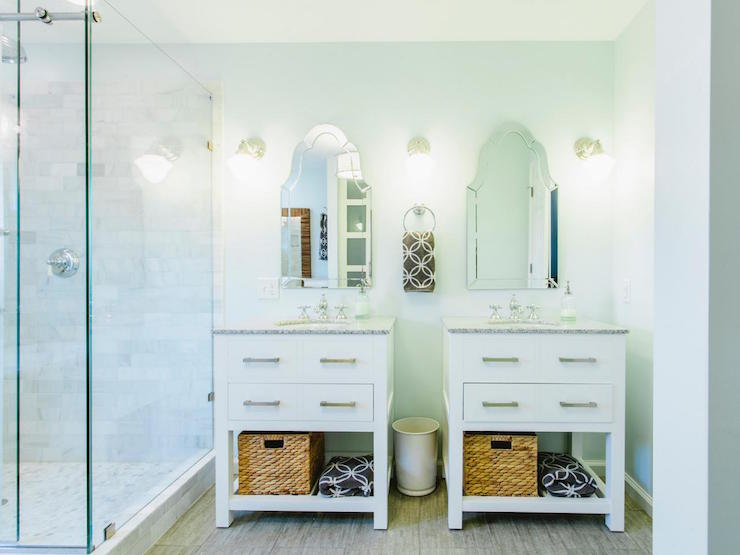
Bathroom vanities play a central role in both the functionality and aesthetics of a bathroom. Whether you’re building a new home or renovating an existing space, one key decision you’ll need to make is whether to install a single or double vanity. Each option offers its own benefits and limitations, and the right choice largely depends on your space, lifestyle, and design preferences.
This guide will walk you through the essential factors to consider when deciding between a single and double vanity setup.
1. Assessing the Available Space
Before anything else, evaluate the physical dimensions of your bathroom. A double vanity requires significantly more width—usually a minimum of 60 inches, though 72 inches or more is ideal for comfort. A single vanity can fit in much smaller spaces, making it the better option for compact bathrooms.
- Single Vanity: Ideal for powder rooms, guest baths, and narrow layouts
- Double Vanity: Best for master bathrooms or shared spaces with ample wall and floor space
Proper spacing around the vanity is also important for drawer access and comfortable movement.
2. Determining the Number of Users
Another major consideration is how many people will regularly use the bathroom. A double vanity is a smart choice for households where multiple individuals use the same space at the same time—especially during busy mornings.
- Single Vanity: Suitable for solo use or low-traffic bathrooms
- Double Vanity: Allows two users to get ready simultaneously, minimizing conflicts
This factor is particularly important in shared en-suite bathrooms or family settings.
3. Storage Needs and Countertop Space
Vanities aren’t just about sinks—they also provide crucial storage and counter space. Think about your needs:
- Do you have a lot of toiletries, grooming tools, or cosmetics?
- Do you want to keep the countertop clutter-free?
- Would two sinks reduce the available surface area?
A single vanity may offer more open counter space if you don’t need a second sink. Meanwhile, a double vanity can be designed with individual drawers or cabinets, creating organized zones for each user.
4. Plumbing Considerations
Adding a second sink isn’t always as simple as it seems. Double vanities require additional plumbing connections, which can increase installation costs and complexity.
- Single Vanity: Easier and cheaper to install
- Double Vanity: May require rerouting water lines and additional drainage
If your current setup only supports a single sink, you’ll need to assess whether upgrading is worth the extra effort and expense.
5. Aesthetic and Design Preferences
Visually, both options can elevate a bathroom’s design. A single vanity can appear more minimalist and spacious, while a double vanity offers symmetry and a luxurious feel.
Midway through your decision-making process, you may consider specific collections like Vasca Design vanities, which offer versatile and modern designs in both single and double configurations. This gives homeowners the ability to match aesthetics while still aligning with practical needs.
6. Resale Value and Market Trends
In high-end homes or master suites, double vanities are often expected by potential buyers. They’re seen as a luxury feature and can increase resale value. However, in smaller homes or guest baths, a well-designed single vanity may be more appropriate and equally attractive to buyers.
Conclusion
Choosing between a single and double vanity involves balancing space, function, design, and cost. A single vanity suits compact layouts and solo users, while a double vanity enhances usability for shared spaces and can add long-term value. Carefully assess your household needs, bathroom size, and installation factors before making a final decision. The right vanity isn’t just about style—it’s about how well it fits your lifestyle.