

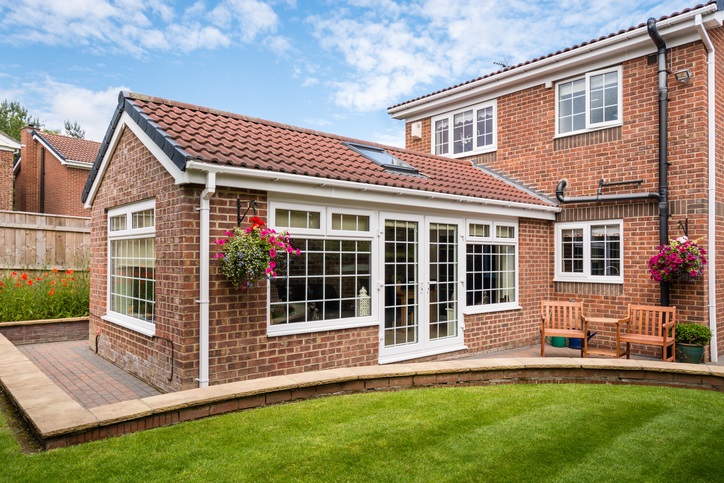
Many property owners across the United Kingdom face the challenge of needing more living space without the upheaval of relocating. Expanding an existing dwelling presents a practical solution that allows families to remain in their cherished communities while gaining the room they require.
This detailed guide explores the entire process of adding space to a property, from initial concepts through to final completion. It covers essential aspects including regulatory requirements, design principles, financial planning, and professional collaboration.
Successful property expansion demands careful consideration of multiple factors. Thorough planning and informed decision-making are crucial for achieving a result that enhances both functionality and value.
A well-executed addition offers significant advantages. These include increased living areas, improved property worth, and the flexibility to adapt to changing family circumstances. The disruption is often far less than that involved in purchasing a new residence.
Throughout this resource, readers will discover information on permitted development rights, building regulations, selecting qualified professionals, budget management, and incorporating sustainable features into their project.
Key Takeaways
- Property expansion offers a viable alternative to moving house for UK homeowners seeking additional space
- Comprehensive planning is essential for successful projects that meet regulatory requirements
- Well-designed additions can significantly increase both living space and property value
- The guide covers all stages from initial planning through to project completion
- Understanding building regulations and permitted development rights is crucial
- Professional guidance ensures projects meet design, budget, and quality standards
- Sustainable technologies can be incorporated to improve energy efficiency
Understanding Home Extensions in the UK
Creating additional room within an existing dwelling is a popular strategy for UK residents seeking to enhance their lifestyle without moving. This process involves adding new structures to a property.
The advantages are significant. Families gain more functional space for daily life. This can mean a larger kitchen or a dedicated office. It also boosts the overall market value of the house.
The Benefits of Expanding Your Home
An extension provides tailored solutions. It allows for customisation to meet specific household needs. Growing families can create extra bedrooms or open-plan living areas.
This investment improves the property’s appeal. It modernises the layout and increases its functionality. The result is a more comfortable and valuable living environment.
Identifying Suitable Areas for Extension
Several options exist for adding space. Builders can construct outwards, upwards, or downwards. Common choices include rear, side, and wraparound additions.
Loft and basement conversions are also effective. The best choice depends on the existing layout and available land. For detailed guidance on options, consult the ultimate guide to house extensions.
Key factors to consider are natural light and room flow. Planning for sunlight early ensures a bright, energy-efficient new space. This creates a seamless connection with the original property.
Permitted Development Rights and Planning Permission
Before any construction commences, homeowners must determine whether their proposed addition falls under permitted development rights or requires full planning permission. This distinction significantly affects project timelines and approval processes.
Many property improvements can proceed without formal consent under specific conditions. Understanding these rules helps streamline the expansion process.
When Planning Permission is Not Required
Permitted development rights allow certain building works without a full planning application. These rights apply to specific types and sizes of extensions.
Single-storey rear additions have clear size limits. Detached houses can extend up to four metres, while attached properties are limited to three metres. Two-storey extensions have stricter rules about rear wall distances.
The regulations consider boundary proximity and roof height. Properties cannot extend beyond certain points relative to neighbouring boundaries. Materials used must match the existing house.
Navigating Permitted Development in Britain
Homeowners will need planning permission for larger projects. This includes extensions covering over half the land area or exceeding height restrictions.
Forward-facing additions facing highways always require consent. Features like balconies or verandas typically need approval. Conservation areas and listed buildings have additional restrictions.
The Prior Approval process handles larger rear extensions in non-designated areas. This involves neighbour consultation rather than full planning applications.
Party Wall Agreements become necessary when building near boundaries. These legal requirements ensure proper neighbour notification about boundary work.
Obtaining a Certificate of Lawful Development provides valuable documentation. This proves compliance even when formal permission isn’t required.
Understanding Building Regulations and Structural Requirements
Beyond planning permission, compliance with technical building standards is a mandatory step for any property enlargement. These building regulations are a legal requirement designed to ensure structural safety, energy efficiency, and occupant welfare. Every extension, regardless of size, must meet these standards.
Complying with British Building Regulations
The scope of the regulations is comprehensive. It covers the structural integrity of foundations and load-bearing walls. Thermal performance, drainage systems, and electrical safety are also key areas.
Proper ventilation and accessibility are further provisions. Homeowners may need to hire a structural engineer. Their calculations prove the design can support the new construction.
There are two main application routes. The table below highlights the key differences.
Comparing Building Control Application Routes
| Feature | Full Plans Application | Building Notice |
| Pre-approval | Design checked and approved before work starts | No formal design check beforehand |
| Certainty | High certainty of compliance | Risk of costly corrections during construction |
| Best For | Larger, complex extension projects | Minor, straightforward work |
Fire Safety and Structural Considerations
Fire safety is critical, especially for two-storey additions. Regulations require fire-resistant materials and safe escape routes. Compartmentation between old and new sections of the house is essential.
Building control inspectors must visit at key stages. These include foundation laying and completion. Failure to notify the authority can result in enforced alterations.
An experienced builder understands these processes. They ensure work meets standards and manage inspector visits efficiently.
Planning and Design Considerations for Extensions
The design phase represents a critical opportunity to enhance both the practicality and sustainability of a new extension. Thoughtful early-stage decisions profoundly impact the final outcome, influencing everything from daily comfort to long-term property value.
A well-considered plan ensures the new space integrates seamlessly with the existing property. It addresses functional needs while creating a harmonious and aesthetically pleasing environment.
Navigating the complexities of property maintenance requires expert guidance. The team at My-Surv specializes in identifying hidden defects that might escape the untrained eye. By choosing a reputable surveyor, homeowners can protect their assets and plan for future renovations with confidence, knowing exactly what state their building is in.
Maximising Natural Light and Energy Efficiency
Strategic placement of windows is fundamental to a successful design. Incorporating roof windows or skylights brings balanced light from above, reducing reliance on artificial lighting.
This approach significantly boosts energy efficiency. For optimal performance, glazing orientation should maximise solar gain in winter while minimising heat loss.
Building Regulations mandate high standards for insulation and glazing. A ‘fabric first’ approach prioritises these elements, creating an inherently efficient structure.
The Importance of Detailed Design Drawings
Comprehensive architectural drawings are indispensable. They provide a clear visual guide for builders and ensure the project meets all regulatory requirements.
Detailed plans help manage neighbour considerations. They allow for the strategic placement of high-level or frosted windows to maintain privacy.
Accurate drawings facilitate precise cost estimates and minimise on-site uncertainties. The table below outlines key aspects covered in professional plans.
Key Elements in Extension Design Drawings
| Design Aspect | Functional Benefit | Regulatory Consideration |
| Window Placement | Maximises natural light and ventilation | Ensures compliance with privacy and overlooking rules |
| Insulation Details | Enhances thermal comfort and reduces energy bills | Meets Building Regulations U-value targets |
| Structural Layout | Defines the flow and use of the new space | Guarantees structural integrity and safe construction |
Costs and Budgeting: Estimating House Extension Expenses
Establishing a realistic budget represents one of the most crucial steps in any property expansion project. The final figure depends on numerous variables including location, size, and specification level.
Precise figures are difficult to establish due to these fluctuating factors. London projects typically command higher prices than those elsewhere in the UK.
A Detailed Breakdown of Extension Costs
Different extension types carry significantly different price tags. Kitchen additions cost considerably more than office spaces due to plumbing and electrical requirements.
The table below illustrates typical costs for common project types, though these figures serve as guidelines rather than fixed quotes.
Comparative Extension Costs by Project Type
| Extension Type | Average Cost Range | Key Considerations |
| Ground Floor Rear | £75,000 – £85,000 | Popular for kitchen expansions, requires foundation work |
| Side Extension | £65,000 – £75,000 | Utilises narrow spaces, may require party wall agreements |
| Loft Conversion | £70,000 – £85,000 | Adds bedroom/office space without reducing garden area |
| Two-Storey Addition | £115,000 – £135,000 | Doubles space gain but requires significant structural work |
| Basement Conversion | £150,000 – £500,000+ | Most expensive option due to excavation and waterproofing |
These base costs frequently exclude additional expenses. Homeowners must budget separately for professional fees, building control charges, and high-specification items like bi-fold doors.
UK construction costs have risen nearly 50% since 2015. Annual increases of 3-5% mean current projects cost significantly more than those completed several years ago.
To obtain accurate quotes, property owners should create detailed briefs with plans. Obtaining three quotes from recommended builders helps ensure value for money.
A contingency fund of 10-20% covers unforeseen issues. This financial buffer helps prevent budget overruns during construction.
Choosing the Right Builder and Professional Services
Selecting the appropriate building professional is a critical decision that can determine the success or failure of an extension project. The right team ensures quality work, timely completion, and proper budget management throughout the construction process.
Qualities of an Experienced Builder
Homeowners should seek builders with proven track records on similar projects. Membership in professional organisations like the Federation of Master Builders provides valuable assurance of quality standards.
Comprehensive insurance coverage and transparent communication practices are essential qualities. Builders should willingly provide references and arrange visits to previous work sites.
The selection process involves obtaining at least three detailed quotes. Verifying credentials and assessing communication compatibility during consultations helps identify the best fit.
Evaluating Quotes and Managing Budgets with Plans Plus
Professional design services become valuable for complex projects requiring planning consent. Architects or architectural technologists can add significant value despite additional costs.
Plans Plus offers specialised support for evaluating quotes and managing extension budgets. This service helps homeowners understand detailed cost breakdowns and identify potential hidden expenses.
Detailed written contracts specifying scope of work and payment schedules provide essential protection. Proper agreements make sure all parties understand expectations from the outset.
Integration of Spaces: Creating a Seamless Home Extension Experience
The true measure of a well-executed extension lies in how seamlessly it integrates with the original structure. Achieving this harmony requires careful planning from the earliest design stages.
Designing Open-Plan Living Areas
Open-plan layouts have become increasingly popular for kitchen and living space extensions. Removing barriers between cooking, dining, and family areas creates flexible environments that support modern lifestyles.
These configurations promote togetherness while allowing different activities to occur simultaneously. Thoughtful design ensures each zone functions efficiently without feeling disconnected.
Transitioning Between Old and New Spaces using innovative ideas including Plans+
Creating smooth transitions often involves structural modifications. Steel beams or joists typically support walls and floors above new openings. Structural engineers calculate appropriate sizes to ensure safety.
Homeowners can conceal these elements within ceilings or celebrate them as architectural features. Early consideration of furniture placement and electrical outlets prevents costly post-construction changes.
For professional guidance on achieving visual continuity, consider consulting resources like key elements for seamless home additions. Plans+ offers innovative solutions for coordinating finishes and defining functional zones within open areas.
Innovative Technologies and Sustainable Building Solutions
Modern property expansion increasingly focuses on integrating sustainable technologies and energy-saving features. With residential properties contributing significantly to carbon emissions, constructing an efficient extension is both an environmental and financial priority.
This approach reduces long-term running costs while future-proofing the property.
Smart Home Features for Modern Extensions
Integrating smart technology enhances comfort and control. Programmable thermostats and automated lighting systems optimise energy use.
These systems learn household patterns, adjusting heating and lighting to minimise waste. They offer remote control via smartphones, providing convenience and improved energy efficiency.
Utilising Energy-Efficient Materials
The choice of materials fundamentally impacts an extension‘s performance. High-performance insulation and advanced glazing are crucial for a thermally efficient building envelope.
A ‘fabric first’ philosophy prioritises these elements. This creates a high-performance structure before adding renewable technologies.
The table below compares key energy efficient materials for a new extension.
Comparison of Energy-Efficient Building Materials
| Material Type | Primary Benefit | Typical Application |
| Triple Glazing | Superior thermal insulation and noise reduction | Windows and doors in all new home extensions |
| PIR Insulation Boards | High thermal resistance with thin profiles | Walls, roofs, and floors within the extension |
| Recycled Steel | Structural strength with a lower carbon footprint | Frames for large openings and support beams |
While initial costs for some materials are higher, the savings on energy bills provide a return over time. Engaging a builder experienced in sustainable building methods ensures correct installation.
Expert Advice on Enhancing Home Interiors with Plans+
A successful extension project achieves its full potential when interior design considerations are integrated from the very beginning. This ensures the new space is not only beautiful but also perfectly functional for daily life.
Plans+ offers specialised guidance to help homeowners avoid common pitfalls. These often include poor furniture placement and inadequate electrical planning.
Maximising Visual Appeal and Functionality
A key mistake is failing to plan the final room layout. This can lead to radiators blocking sofa positions or sideboards lacking nearby power sockets.
Creating visual continuity is also vital. Using consistent flooring or coordinating colour palettes helps the new extension blend seamlessly with the original house.
Natural light optimisation is another critical factor. Social areas like kitchen-diners benefit from maximum daylight, while evening-use rooms suit softer light.
Professional design services, available from around £195, provide excellent value. They prevent costly errors and ensure the space enhances everyday living.
Common Interior Design Challenges and Solutions
| Challenge | Common Result | Professional Solution |
| Poor Furniture Planning | Blocked radiators, unusable areas | Detailed layout drawings created early |
| Inadequate Electrical Points | Extension leads, impractical lighting | Socket and switch plans integrated into architectural design |
| Jarring Transition | New extension feels disconnected | Use of consistent materials and harmonious colour schemes |
Simplifying the Application Process for Your Extension with Plans+
Professional survey work provides the essential foundation for all subsequent extension planning. An accurate measured survey prevents costly errors during design and construction. It creates the existing drawings that architects and builders rely upon.
Mistakes at this initial stage can lead to significant complications and budget overruns. A high-quality survey ensures the entire project team works from precise information.
Preparing Essential Surveys and Architectural Drawings
Different survey types suit various project complexities. The table below outlines the primary options available to homeowners.
Comparing Property Survey Types for Extensions
| Survey Type | Best For | Key Advantage |
| Commercial-Grade Laser Survey | Complex projects with intricate details | Highest accuracy for digital modelling |
| Traditional Measured Survey | Most residential extension projects | Balances cost and precision effectively |
| Hand-Drawn Survey | Simple, straightforward additions | Most budget-friendly option |
| Topographic Survey | Projects where external levels are critical | Details land contours and features |
Following the survey, a comprehensive set of architectural drawings is required. These include existing and proposed floor plans, elevations, and detailed sections.
Structural engineering documentation is also necessary for building regulations compliance. It specifies foundation designs and load-bearing elements like steel beams.
Streamlining Approvals and Navigating Local Authority Requirements
Homeowners may need to address party wall matters if building near boundaries. This involves serving formal notices to adjoining owners.
A complete application package streamlines the planning permission process. Professionally prepared documents reduce delays from requests for additional information.
This approach ensures local authority planners and building control officers can process submissions efficiently. It helps navigate the complex web of regulations governing house extensions.
Advanced Techniques, Trends and Future-Proofing Your Extension
The landscape of residential construction is evolving rapidly, with new techniques and materials transforming extension possibilities. Forward-thinking homeowners now consider long-term adaptability alongside current requirements.
Rising build costs—up nearly 50% since 2015—make future-proofing essential. Investing wisely today prevents costly modifications tomorrow.
Incorporating Modern Innovations
Contemporary architectural styles blend seamlessly with traditional UK housing. Glass and steel elements create light-filled spaces that connect indoors with nature.
Advanced construction methods like off-site prefabrication reduce build times significantly. Structural insulated panels offer superior thermal performance compared to traditional building materials.
Future-proofing involves anticipating changing family needs over decades. Flexible layouts accommodate evolving lifestyles while infrastructure supports emerging technologies.
Innovative materials include high-performance insulation and engineered timber products. These sustainable options reduce environmental impact while enhancing building performance.
Well-designed extensions using quality materials provide better long-term value. They meet rising buyer expectations for energy efficiency and modern amenities.
Conclusion
The journey of transforming a residence through additional construction demands thorough preparation and strategic decision-making. Successful outcomes depend on comprehensive planning across all project phases.
Navigating the regulatory framework correctly from the outset prevents costly delays. Understanding planning requirements and building regulations ensures legal compliance throughout the construction process.
Realistic budgeting and professional guidance are equally crucial. Engaging qualified specialists helps homeowners manage costs while achieving quality results that enhance their living space.
Thoughtful design integration and sustainable practices transform simple additions into valuable, long-term improvements. These considerations ensure the new area serves households effectively for decades.
Ultimately, a well-executed property expansion provides the additional room and improved functionality homeowners seek. It represents a sound investment in both property value and quality of life.
FAQ
Do I always need planning permission for a house extension?
Not always. Many projects fall under Permitted Development rights, which allow certain extensions without a full planning application. However, specific limits on size, height, and location apply. It is crucial to verify your project’s eligibility, as these rights can differ and may have been removed for some properties.
What is the difference between planning permission and building regulations?
Planning permission primarily concerns the appearance and impact of the project on the surrounding area and its suitability for the location. Building regulations, on the other hand, focus on the technical and construction details, ensuring the new space is structurally sound, energy efficient, and safe for occupants, covering aspects like insulation, fire safety, and foundations.
How can I ensure my extension is energy efficient?
To achieve high energy efficiency, focus on high-performance insulation, double or triple-glazed windows, and airtight construction. Incorporating renewable technologies, such as air source heat pumps or solar panels, can further enhance sustainability. Using energy-efficient materials from the outset is key to reducing long-term running costs.
What should I consider regarding the Party Wall etc. Act 1996?
If your extension work involves building on or near a boundary shared with neighbours (a party wall), you likely need to serve a Party Wall Notice. This legal requirement informs adjoining owners of the intended work and helps prevent disputes. Failing to comply can lead to significant delays and legal issues.
How much does a typical rear extension cost?
Extension costs vary widely based on size, specification, and location. A single-storey rear extension can range from approximately £1,500 to £2,500 per square metre. A detailed breakdown of expenses, including foundations, materials, and professional fees, is essential for accurate budgeting. Obtaining multiple quotes from reputable builders is highly recommended.
Why are detailed design drawings important for my project?
Comprehensive design drawings are vital. They provide a clear vision for the build, ensure all parties understand the scope, and are typically required for both planning permission and building regulations approval. Good drawings help builders provide accurate quotes and reduce the risk of costly errors during construction.
How can I maximise natural light in my new space?
To flood the new space with natural light, consider installing large windows, roof lights, or even a glass roof extension. Thoughtful placement of glazing and using light wells for basement conversions can dramatically improve brightness. This not only enhances the living experience but can also contribute to the property’s energy efficiency.