

Workshop safety should never be an afterthought in any industrial or manufacturing environment. Whether you’re running a small fabrication shop or managing a large-scale production facility, implementing proper safety protocols and investing in quality equipment can mean the difference between a thriving business and a costly accident.
The Foundation of Workshop Safety
Every safe workshop begins with proper planning and organization. This means establishing clear workflows, maintaining equipment regularly, and ensuring that every piece of equipment serves both functional and safety purposes. When workers know where everything belongs and how to use it properly, accidents become far less likely.
One of the most critical aspects of workshop safety is having designated spaces for different types of work. Welding operations, for instance, require specialized equipment and careful consideration of ventilation, fire safety, and proper work surfaces. A quality welding workbench provides the stable, heat-resistant platform necessary for safe welding operations while incorporating features like built-in ventilation and proper grounding.
Waste Management and Cleanliness
A cluttered workshop is a dangerous workshop. Metal shavings, oil spills, and scattered tools create numerous hazards that can lead to slips, cuts, and other injuries. Implementing a systematic approach to waste management not only improves safety but also enhances overall productivity.
Regular cleaning schedules should be established, and proper disposal methods must be followed for different types of waste materials. This includes having appropriate containers for various waste streams and ensuring that hazardous materials are handled according to regulatory requirements.
Personal Protective Equipment and Training
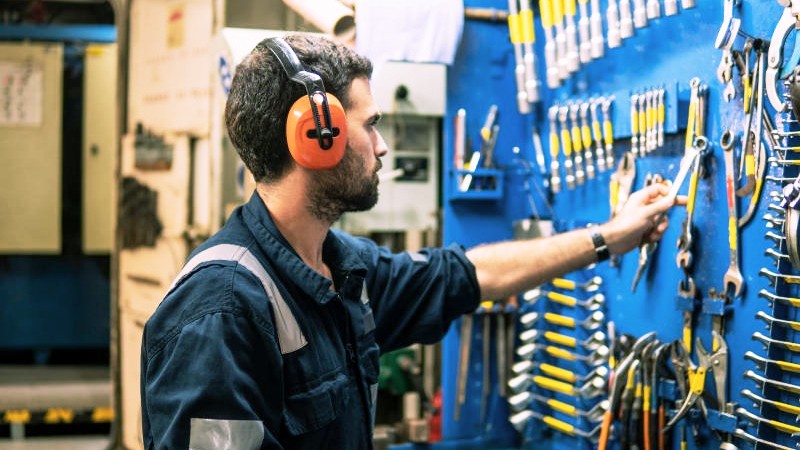
No safety program is complete without comprehensive PPE requirements and ongoing training. Workers must understand not only what protective equipment to wear but also why it’s necessary and how to use it correctly. This includes everything from basic safety glasses and steel-toed boots to specialized equipment for specific tasks.
Training should be ongoing, not just a one-time orientation. Regular safety meetings, equipment updates, and refresher courses help maintain a culture of safety awareness. When workers understand the reasoning behind safety protocols, they’re more likely to follow them consistently.
Equipment Maintenance and Inspection
Regular maintenance and inspection of workshop equipment is crucial for preventing accidents and ensuring optimal performance. This includes checking electrical connections, verifying that safety guards are in place and functioning, and ensuring that all equipment is operating within specified parameters.
Documentation of maintenance activities helps track equipment performance over time and can identify potential issues before they become serious problems. Creating maintenance schedules and sticking to them demonstrates a commitment to safety that benefits everyone in the workplace.
Emergency Preparedness
Every workshop should have a comprehensive emergency response plan that covers various scenarios, from minor injuries to major incidents. This includes having properly stocked first aid stations, clearly marked emergency exits, and ensuring that workers know how to respond in different situations.
Fire safety is particularly important in workshops where welding, grinding, and other heat-generating activities take place. Proper fire suppression systems, emergency shut-offs, and evacuation procedures should all be clearly established and regularly practiced.
Building a Safety Culture
Creating a truly safe workshop environment goes beyond just having the right equipment and procedures. It requires building a culture where safety is valued and prioritized by everyone, from management to entry-level workers. This means encouraging open communication about safety concerns, recognizing good safety practices, and continuously looking for ways to improve.
When safety becomes ingrained in the daily operations of a workshop, it leads to better outcomes for everyone involved. Workers feel more confident and secure, productivity increases, and the business benefits from reduced insurance costs and fewer work-related incidents.
Investing in proper workshop safety measures isn’t just about compliance – it’s about creating an environment where people can do their best work while staying safe and healthy.