

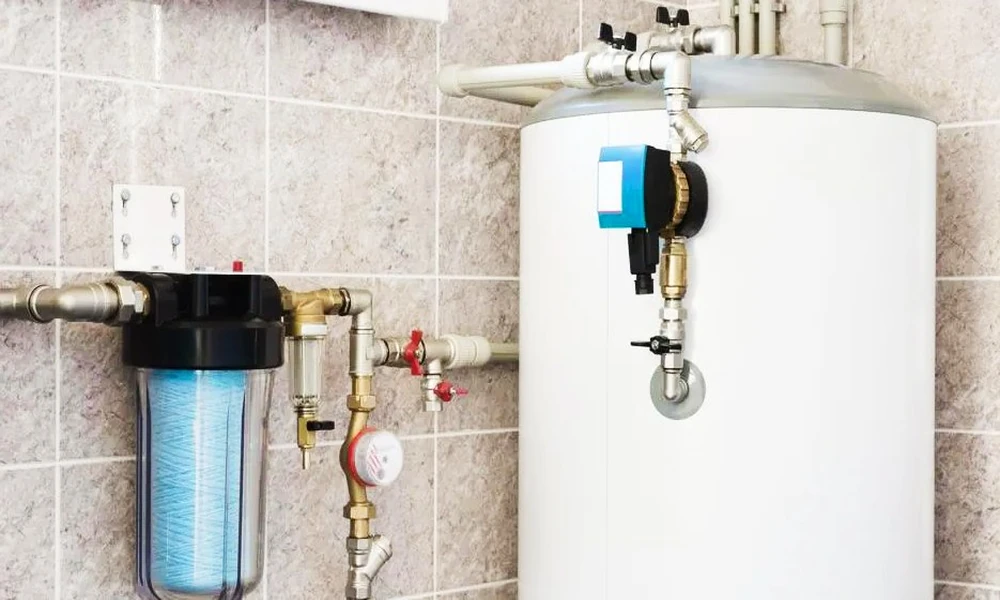
A water heater is one of the hardest-working appliances in a home. It runs every day, stays out of sight, and gets little attention until the morning the shower runs cold or a puddle appears on the basement floor. Understanding the main types, how long they last, what maintenance they need, and which symptoms matter can help you avoid emergency replacements and make a better choice when it is time to buy.
This guide is general information. Equipment, codes, and fuel options vary by home and location, so a licensed plumber should assess your specific situation.
The Main Types of Water Heaters
Conventional storage tank. The most common type. It heats and holds a tank of water, typically 30 to 80 gallons, and keeps it hot until needed. Because it heats water around the clock, some energy is lost through the tank walls, which is called standby loss. Tanks are fueled by natural gas, propane, or electricity.
Tankless (on-demand). These heat water only when a tap opens, passing it through a heat exchanger. They have no storage tank, so they avoid standby loss and can supply hot water continuously, but their output is limited by flow rate. Running several fixtures at once can exceed what a single unit can deliver. Gas models often need larger gas lines and special venting, and electric models can need substantial electrical capacity.
Heat pump water heaters. These electric units move heat from surrounding air into the water instead of generating heat directly, which can make them considerably more efficient than standard electric tanks. They need space, since they draw heat from the air around them, and they work best in locations that are not too cold. They also tend to cost more upfront.
Solar and indirect systems. Solar water heating uses collectors to preheat water, usually with a backup heater. Indirect systems use a storage tank heated by the home’s boiler. Both suit particular situations and are less common.
The U.S. Department of Energy provides a detailed overview of water heating options and how to choose among them, including efficiency considerations for each type.
Tank vs Tankless: A Practical Comparison
Upfront cost. Tank models generally cost less to buy and install. Tankless and heat pump units cost more, and conversions can add expense if venting, gas lines, or electrical service must change.
Operating cost. Tankless and heat pump models are often more efficient than conventional tanks, but the actual savings depend on your usage, local energy prices, and the specific equipment.
Hot water supply. A tank offers a reserve that can serve several uses at once until it runs low, then needs time to recover. A tankless unit never runs out as long as flow stays within its capacity, but it can struggle with simultaneous demand.
Lifespan. Tank heaters commonly last around ten to fifteen years, depending on water quality, maintenance, and the model. Tankless units are often rated for a longer service life with proper care.
Space. Tankless units are compact and wall mounted, while tanks need floor space. Heat pump units need extra clearance and airflow.
Maintenance. Tankless units in areas with hard water need periodic descaling. Tanks need flushing and anode rod checks. Neither is maintenance free.
What Affects Lifespan
- Water quality. Hard water deposits scale on heating elements, burners, and heat exchangers, reducing efficiency and shortening life.
- Sediment. Minerals settle at the bottom of a tank, insulating the water from the heat source and causing noise and wear.
- The anode rod. This sacrificial rod inside a tank attracts corrosive elements so the tank itself corrodes more slowly. Once it is used up, corrosion of the tank accelerates.
- Water pressure and temperature. High pressure strains valves and fittings, and very high temperature speeds scale and wear.
- Installation quality. Proper venting, sizing, and expansion control affect long-term performance.
Maintenance That Pays Off
- Flush the tank. Draining a portion of the water removes sediment. Many manufacturers recommend doing this at least annually, though intervals vary, so check your owner’s manual.
- Inspect the anode rod. A plumber can check it every few years and replace it when it is heavily depleted, which can extend the tank’s life.
- Test the temperature and pressure relief valve. This safety device releases pressure if the tank overheats or overpressurizes. It should never be capped or blocked, and it should be tested according to the manufacturer’s guidance.
- Check for leaks and corrosion. Look at the connections, the base, and the surrounding floor.
- Set a safe temperature. Many sources suggest a setting around 120 degrees Fahrenheit as a balance between comfort, efficiency, and scald risk. Households with young children or older adults should be particularly mindful of scald hazards.
- Descale tankless units. In hard water areas, periodic flushing with a descaling solution keeps the heat exchanger working properly.
- Consider water treatment. If your water is very hard, a softener can reduce scale on all your plumbing and appliances.
Warning Signs Your Water Heater Needs Attention
- No hot water or not enough. Could point to a failed heating element, thermostat, burner, or pilot, or a tank full of sediment.
- Lukewarm water that fluctuates. May suggest a failing element or thermostat, or a tankless unit exceeding its capacity.
- Rumbling, popping, or banging noises. Often caused by sediment that traps water beneath it.
- Rusty or discolored hot water. May indicate corrosion inside the tank.
- Water pooling around the base. A leak from the tank itself usually means replacement is near, since a tank that is leaking cannot be repaired. Check connections too, since a loose fitting is a simpler fix.
- Age of ten years or more. Even without symptoms, an older tank is nearing the end of its expected life, so it helps to plan ahead.
- Pilot light problems or a yellow burner flame on a gas unit. Combustion issues should be evaluated promptly, since gas appliances can produce carbon monoxide when they malfunction.
- A burning or gas smell. Treat a gas odor as an emergency. Leave the building and call your gas utility or emergency services from outside.
Safety Considerations
Gas water heaters need adequate combustion air and proper venting, and carbon monoxide alarms should be installed near sleeping areas and on every level of the home. Electric units involve high voltage. A pressure relief valve discharge pipe should run to a safe location. In some regions, codes require seismic strapping, expansion tanks, or drain pans, so installation should meet local requirements. Water heater work is a job for licensed professionals, and permits are often required.
Repair or Replace
A repair makes sense when the unit is relatively young and the problem is a specific, inexpensive part such as a thermostat, heating element, or valve. Replacement deserves serious consideration when the tank leaks, the unit is near or past its expected lifespan, repair costs are climbing, or the efficiency is far below modern equipment.
Planning replacement before failure usually gives you better choices than an emergency, because you can compare options, check available rebates or incentives, and schedule installation at a convenient time.
Sizing and Selection
A properly sized water heater matches your household’s peak demand. For tanks, capacity and recovery rate matter. For tankless units, flow rate and temperature rise matter, which depends on how cold your incoming water is. Undersized equipment leaves you short of hot water, while oversized equipment wastes money. Ask a professional to size the unit based on the number of people, fixtures, and simultaneous uses in your home, rather than choosing by price or habit.
Choosing a Plumber
If you are looking for local help, you could contact a Woodbridge plumber to ask about water heater inspection, repair, or replacement and what would suit your household. Whoever you consult, these questions help you compare:
- What type and size of water heater do you recommend for my home, and why?
- Will the installation require changes to venting, gas lines, electrical service, or piping?
- Does your quote include permits, disposal of the old unit, and code upgrades?
- What are the expected operating costs compared with my current system?
- What warranty covers the unit and your labor?
- Are your technicians licensed and insured?
Ask for a written estimate that lists what is included, and be cautious about anyone who pressures you to decide the same day without showing you the evidence for replacement.
Key Takeaways
Choose a water heater type based on your household’s demand, fuel availability, space, and budget, not on a single feature. Extend the life of a tank with regular flushing, an anode rod check, and a working relief valve. Treat leaks, rust, noise, and age as signals to plan ahead, and treat any gas smell as an emergency. When it is time to repair or replace, accurate sizing and proper installation matter as much as the equipment itself.