

Foundation Health as a Key Part of Property Longevity
A building’s foundation is not just a support system; it influences how the entire structure performs over decades. When it remains stable, doors align properly, floors stay level, and walls retain their integrity. However, when stress begins to build beneath the surface, the effects slowly travel upward into visible parts of the property. Many homeowners focus on surface-level maintenance while overlooking the ground conditions that quietly determine structural lifespan. Understanding foundation health as an ongoing condition rather than a one-time concern changes how long-term property care is approached.
Subtle Structural Shifts That Change Daily Living Conditions
Small foundation shifts often reveal themselves through everyday inconveniences. A drawer that suddenly sticks, a faint slope felt while walking across a room, or hairline cracks near ceiling edges can all indicate movement below the surface. These changes are not always dramatic, but they reflect gradual structural adjustment. Over time, these small disruptions may begin to affect comfort and usability within the home. Recognizing how daily living patterns are influenced by structural movement helps highlight issues that might otherwise go unnoticed.
The Role of External Pressure and Ground Dynamics
Foundation stress is not always caused by visible damage; it often begins underground. Soil composition changes, water retention levels, and seasonal expansion or contraction all influence how a structure sits over time. Properties built on clay-heavy soil, for example, may experience repeated swelling and shrinking cycles that slowly shift the base. Poor drainage systems can intensify this movement by allowing water to collect near the structure, softening support layers and weakening stability. These external pressures accumulate gradually, shaping long-term foundation performance.
Technical Assessment and Structural Interpretation
When irregular movement becomes noticeable, a detailed assessment is required to understand how far the shift has progressed. This process involves examining structural alignment, soil stability, and load distribution across the building. It also helps determine whether the movement is active or has stabilized over time. At this stage, Foundation Repair Contractor involvement becomes important for interpreting structural data and identifying patterns that are not visible through surface inspection alone. Their evaluation helps separate cosmetic issues from deeper structural concerns.
Stabilization Approaches and Structural Rebalancing
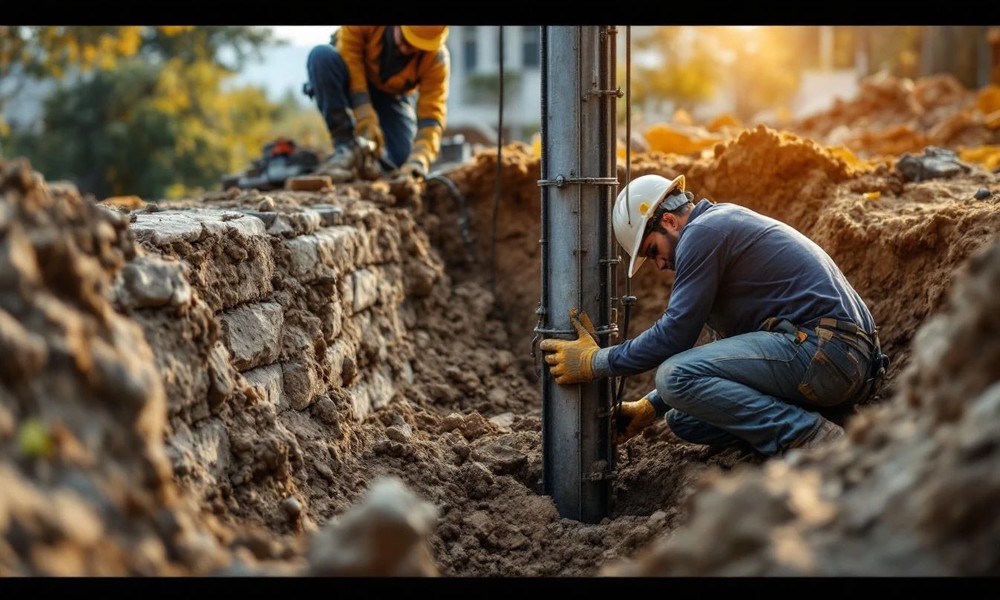
Repair strategies focus on restoring balance between the structure and the ground beneath it. Techniques may include lifting settled areas, reinforcing weak zones, or improving soil support to reduce further movement. The goal is not only correction but also prevention of future instability. Each property requires a tailored approach based on its soil conditions and structural design, ensuring that adjustments align with long-term performance requirements.
Long-Term Stability Through Informed Maintenance
Foundation protection is most effective when treated as part of ongoing property management rather than a reactive task. Monitoring changes in structural alignment, drainage behavior, and soil conditions helps detect early movement trends. In situations requiring deeper intervention, Foundation Repair Contractor guidance ensures that corrective measures are applied with structural precision, supporting long-term stability and reducing the risk of recurring issues over time.