

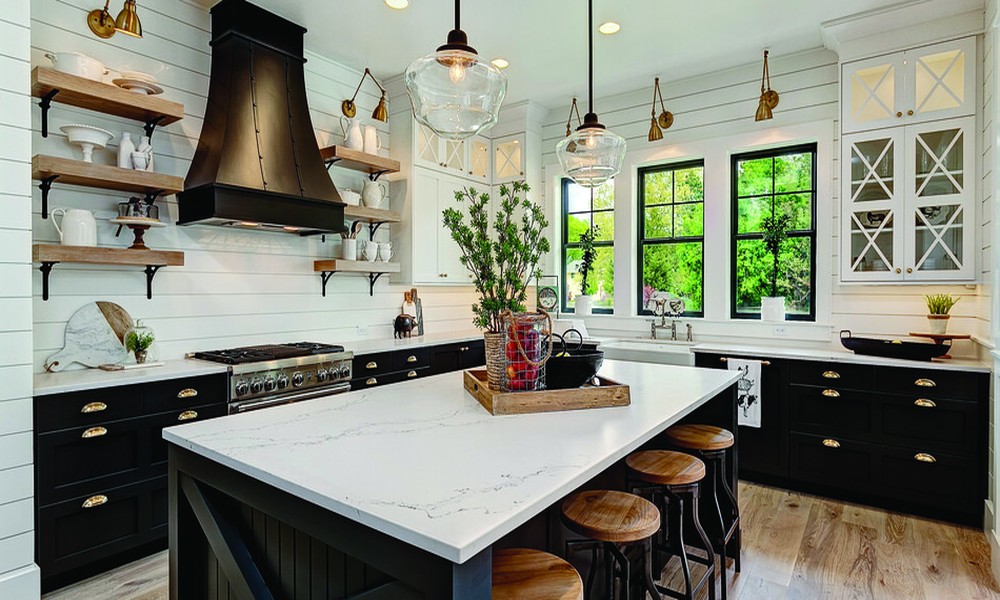
Luxury Kitchen Islands UK: Comparing Marble, Quartz and Porcelain Options
The modern kitchen island has transformed. It is no longer just a functional workspace for meal preparation.
Today, it serves as a central gathering point and a definitive statement piece in the heart of the home. This evolution makes its design and material selection critically important.
Luxurious stone surfaces are a primary choice for elevating these central features. Each material brings its own unique charm and performance characteristics to the space.
Among the premium options available, three stand out in contemporary British kitchen design: marble, engineered quartz, and advanced porcelain. These materials are celebrated for their beauty and durability.
Homeowners are increasingly drawn to natural and engineered stone for its sense of permanence and quality. It represents a significant investment in both daily living and long-term property value.
This article provides a comprehensive comparison. It will examine aesthetic appeal, practical functionality, maintenance needs, and cost considerations for each material.
The goal is to offer clarity and professional insight. This guidance empowers homeowners to make a confident, informed decision that aligns perfectly with their lifestyle.
Key Takeaways
- The kitchen island is now a multifunctional hub and a key design focal point in modern homes.
- Premium stone surfaces significantly enhance both the utility and visual appeal of this central feature.
- Marble, quartz, and porcelain are the three leading materials for luxury kitchen islands in the UK.
- Each material offers a distinct blend of aesthetic beauty and practical performance characteristics.
- Selecting the right surface is an investment that impacts daily life and can increase property value.
- An informed choice requires balancing personal style with practical considerations like maintenance and budget.
- This guide provides a detailed, side-by-side comparison to support your decision-making process.
Understanding the Materials for Luxury Kitchen Islands
The core characteristics of marble, quartz, and porcelain define their performance and aesthetic in a luxury setting. Grasping these fundamentals is essential for any informed decision.
Defining Marble, Quartz and Porcelain
Marble is a classic natural stone. It forms when limestone is subjected to immense heat and pressure over millennia. This process creates its unique, swirling veining, making every slab one-of-a-kind.
Engineered quartz combines roughly 95% crushed natural quartz crystals with polymer resins. The result is a non-porous surface with remarkable consistency and strength.
Porcelain is crafted from refined clays and minerals. These are fired at extremely high temperatures, often exceeding 2,500°C. This creates an incredibly dense and hard material.
Key Qualities and Benefits
Each material offers distinct advantages. Marble provides timeless beauty and a naturally cool surface ideal for pastry work.
Quartz boasts superior stain resistance and requires no sealing. Its hygienic properties make it perfect for busy food preparation areas.
Porcelain ranks 7-9 on the Mohs hardness scale, approaching diamond-like durability. It resists scratches, UV fading, and extreme heat exceptionally well. This makes it suited for high-traffic environments.
Understanding these inherent properties is the first step in selecting a quality stone for your centrepiece.
Choosing Between Marble Quartz and Porcelain for Luxury Kitchen Islands UK
A luxury kitchen island’s material must align with how the space is truly used, from busy breakfasts to evening entertaining. This decision framework balances your household’s practical needs with your desired aesthetic.
Consider cooking frequency and who uses the kitchen. A bustling family home benefits from the stain resistance of quartz or the extreme durability of porcelain. For those who love to bake, the naturally cool surface of marble is a classic draw.
Your design vision is equally vital. Do you prefer the timeless, veined drama of marble, the consistent patterns of quartz, or the sleek, minimalist look of large-format porcelain slabs? Each sets a different tone for your entire room.
Honestly assess your willingness for upkeep. Some homeowners embrace the ritual of sealing natural stone. Others prioritise a virtually maintenance-free worktop.
Ultimately, the best choice harmonises your lifestyle, style, and long-term plans. Coordinating your island worktops with cabinetry and flooring creates a cohesive, truly personal centrepiece.
Comparing Aesthetic Appeal and Functionality
The decision between natural drama and engineered precision begins with visual and tactile qualities. A material’s beauty must also meet the demands of daily life.
Visual Elegance and Unique Patterns
Natural marble is celebrated for its organic veins. Each slab tells a one-of-a-kind geological story, guaranteeing a unique centrepiece.
Engineered quartz offers vast design flexibility. Its production allows for consistent patterns and colours across large installations.
Advanced porcelain provides incredible mimicry. It can convincingly replicate the look of marble, concrete, or wood with modern precision.
Surface Finishes and Practical Usage
Finishes dramatically alter a surface‘s character. A polished gloss reflects light for a luxurious feel, while a honed matte offers a softer, contemporary look.
These choices have practical effects. Busier patterns and darker colours can help conceal everyday marks and minor spills on the island surface.
|
Material |
Key Visual Trait |
Pattern Consistency |
Common Finishes |
Practical Note |
|
Marble |
Natural, flowing veins |
Unique per slab |
Polished, Honed |
Softer; may etch |
|
Quartz |
Engineered versatility |
Highly consistent |
Polished, Suede |
Stain-resistant; non-porous |
|
Porcelain |
Mimicry & solid colours |
Perfectly uniform |
Polished, Matte, Textured |
Extremely scratch & heat resistant |
Expert Insights and Maintenance Tips
Expert care protocols are essential to safeguard the investment and beauty of premium stone surfaces over time. The required maintenance varies dramatically between materials.
Regular Sealing and Care
Natural marble worktops demand a proactive approach. They require regular sealing, typically once or twice a year, to protect their porous surface.
This sealing process creates a barrier against stains. Without it, acidic spills like wine or lemon juice can etch and damage the stone permanently.
Immediate wiping of any spills is crucial for marble. Professionals like Chiltern Marble can advise on the best sealants and schedules.
Cleaning and Long-Term Durability
Engineered quartz and porcelain offer a different experience. Their non-porous nature means no regular sealing is needed.
Daily care involves only mild soap and water. This simplicity makes their maintenance routine very straightforward.
For long-term durability, both materials excel. They resist scratches and stains exceptionally well, preserving the island’s look for years.
Using trivets and chopping boards is wise advice for all marble worktops and surfaces. It helps prevent heat marks and scratches.
Cost and Investment Considerations
The investment in a high-quality worktop involves both immediate costs and long-term value. This section breaks down the financial aspects to help with budget planning.
Budget Comparison Across Materials
Price ranges per square metre vary significantly. Natural marble worktops typically command £200 to £1,000, reflecting their rarity and unique veining.
Engineered quartz surfaces often sit in a similar mid-range bracket. Advanced porcelain slabs generally cost between £200 and £600.
Several factors influence these costs. Rarity, quarrying complexity, and transportation all affect natural stone pricing. Manufacturing consistency controls engineered material costs.
|
Material |
Price Range (£/m²) |
Primary Cost Factors |
Installation Consideration |
|
Marble |
£200 – £1,000 |
Natural origin, rarity, veining patterns |
Heavy slabs require skilled fabricators |
|
Quartz |
£250 – £800 |
Manufacturing process, brand, thickness |
Moderate weight; professional fitting needed |
|
Porcelain |
£200 – £600 |
Production scale, finish quality, size |
Lighter weight may reduce labour expenses |
Long-Term Value and Return on Investment
Initial outlay is just one part of the equation. Durability and maintenance needs affect total ownership costs over decades.
Consider hidden ongoing expenses. Marble worktops require regular sealing, while quartz and porcelain have negligible upkeep costs.
The right material adds value. It enhances daily enjoyment and can positively impact property resale values in the UK market.
Industry Advice from Chiltern Marble Ltd
The journey to a flawless kitchen centrepiece is often guided by the expertise of specialist fabricators. For a significant investment, professional insight is invaluable.
Chiltern Marble Ltd provides this crucial guidance. Their expert teams help homeowners navigate premium stone options to create a standout island.
Expert Recommendations for Upscale Kitchens
Specialists begin with a detailed assessment of your project. They consider several key factors to ensure the perfect worktop selection.
- Lifestyle needs: How the kitchen is used daily influences material suitability.
- Layout and architecture: The room’s proportions and light affect the visual impact of marble, quartz, or porcelain.
- Design vision: Your desired style and aesthetic for the entire space.
This analysis allows for a balanced recommendation. Chiltern Marble professionals help harmonise aesthetic desires with practical requirements.
The goal is a design that enhances both beauty and functionality. This expert approach prevents costly mistakes.
It leads to a confident final choice. The result is a stunning, durable worktop that becomes the true heart of your kitchen.
Design Trends and Customisation Options
Contemporary kitchen design is increasingly defined by personal expression and technological innovation. The range of aesthetic possibilities for kitchen worktops has never been broader.
Homeowners can now select from an expansive palette of colours and patterns. This allows for a truly bespoke centrepiece.
Innovative Patterns and Colours
Advanced printing technology allows porcelain to convincingly mimic rare marbles, concrete, or wood. This creates diverse visual options from a single, durable surface.
Engineered quartz offers endless design possibilities with consistent patterns. Colour trends are shifting from classic greys to warmer tones and dramatic, deep blacks.
For a unique look, book-matched marble slabs create a stunning mirrored effect. This trend delivers immense visual impact for a statement island.
Personalising Your Kitchen Island Look
Customisation extends to edge profiles and finishes. Simple bevelled edges or elaborate waterfall ends showcase material beauty.
Digital visualisation tools help preview choices in your actual space. This technology supports confident personalisation.
Mixing materials on a single island is a growing trend. It allows for unique style statements that balance timeless appeal with modern innovation.
The final look should reflect individual taste while ensuring the kitchen worktops remain a lasting centrepiece. A thoughtful selection from the vast range available is key.
Conclusion
A kitchen island’s worktop is more than just a surface; it’s the centrepiece where daily life unfolds. Selecting the best stone depends on multiple factors, from cooking habits to aesthetic taste.
Each material offers distinct advantages. Marble provides timeless beauty but needs regular sealing. For classic elegance, this natural stone remains a premier choice. Quartz combines versatility with non-porous durability.
Porcelain excels in resistance to scratches, heat, and stains. These slabs offer remarkable design flexibility alongside their resilience.
The ideal worktop balances personal priorities with practical needs. Consider long-term care commitments and installation costs.
All are quality investments that enhance a home‘s space. Whether drawn to natural elegance or engineered performance, the right kitchen worktop creates a stunning, functional heart for your home.
FAQ
Which material is most durable for a kitchen island?
For ultimate durability, porcelain and quartz are superior choices. Porcelain slabs are highly resistant to scratches, stains, and heat. Quartz worktops are also exceptionally tough and non-porous. Natural marble is beautiful but requires more careful maintenance to preserve its surface.
How does heat resistance compare between these stones?
Porcelain stands out for its excellent heat resistance, making it safe for placing hot pans directly on the surface. Quartz can be damaged by sudden, extreme temperatures. While marble can withstand heat, thermal shock can cause cracking, so using trivets is always recommended.
Does marble require a lot of maintenance?
Yes, marble worktops demand more care than engineered alternatives. Being a porous natural stone, they require regular sealing to prevent staining from spills like oil or wine. Daily cleaning with a pH-neutral cleaner is essential to maintain their beauty.
Is quartz or porcelain better for a modern design?
Both offer superb options for contemporary spaces. Porcelain can replicate many looks, including concrete or terrazzo, with a consistently modern feel. Quartz provides a vast range of uniform colours and subtle patterns, ideal for a sleek, minimalist kitchen island design.
What are the cost implications of each material?
High-quality marble often commands a premium price, with costs varying by rarity. Quartz and porcelain typically offer more predictable pricing. While the initial investment differs, considering long-term durability and minimal upkeep, porcelain and quartz can provide excellent value.
Can I get a unique look with porcelain slabs?
Absolutely. Advanced digital printing technology allows porcelain to mimic natural stone veins, wood grains, and intricate patterns with incredible realism. This allows for a bold, statement island that is also highly practical and durable for daily use.
What do experts like Chiltern Marble Ltd recommend?
Specialists such as Chiltern Marble Ltd advise matching the material to the homeowner’s lifestyle. For a busy, high-use family kitchen, they often recommend robust porcelain or quartz. For a showpiece space where classic beauty is paramount, a premium marble with a dedicated care routine is suggested.