

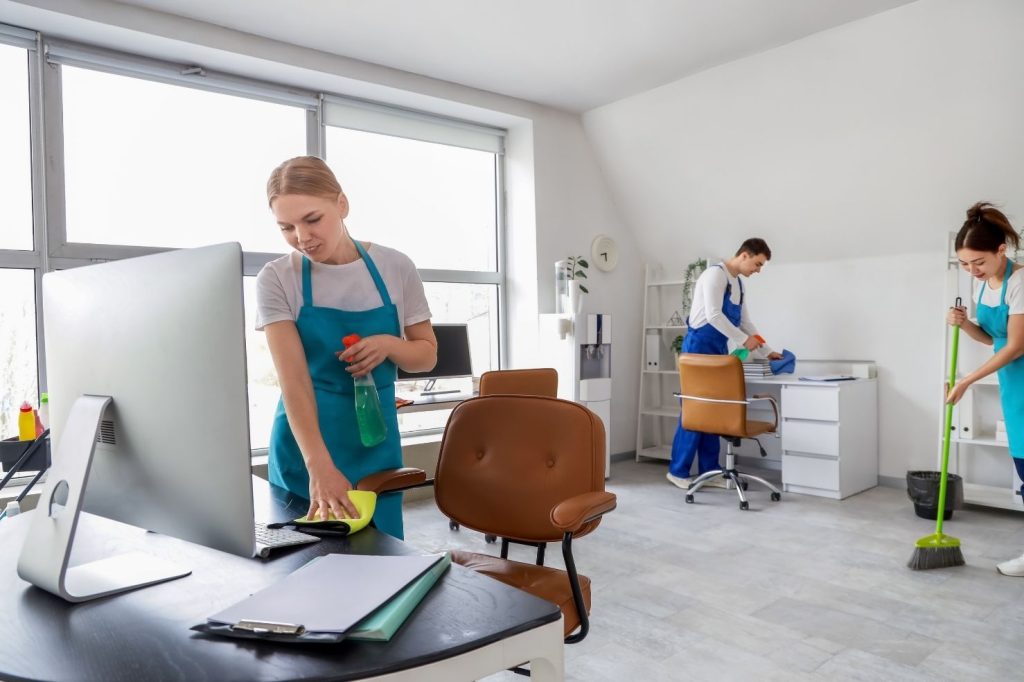
A spotless and hygienic work environment has a profound effect. It boosts staff morale and enhances overall productivity. First impressions from clients and visitors also improve significantly.
As we move forward, maintaining these high standards becomes crucial for every organisation. Without a proper schedule, minor tasks are easily overlooked. Hygiene can then deteriorate rapidly, leading to bigger issues.
Professional commercial cleaning services, such as those offered by Crystal Cleaning Servicing Ltd, help prevent this downward spiral. They understand the evolving demands of modern workplace sanitation.
This comprehensive resource provides a robust framework for thorough premises maintenance. It addresses the unique challenges faced by companies today. The Crystal Group supports enterprises in achieving these higher benchmarks for wellbeing.
Implementing a systematic approach ensures consistency and covers all critical areas. A proper schedule includes daily, weekly, and periodic intensive sanitisation intervals. This proactive strategy protects everyone’s health and supports seamless operational efficiency.
Key Takeaways
- A pristine workspace directly supports employee well-being and output.
- A structured hygiene routine prevents the build-up of harmful allergens and bacteria.
- Professional cleanliness standards have evolved, requiring updated, systematic approaches.
- Consistent maintenance is vital for safety compliance and positive brand perception.
- Distinguishing between surface tidying and intensive sanitisation is essential for a comprehensive strategy.
- A systematic framework helps maintain standards across different time intervals.
- Investing in workplace hygiene is an investment in organisational culture and client confidence.
Understanding the Importance of Office Deep Cleaning
Beyond visible tidiness, a systematic deep clean targets the unseen factors that influence daily work life. It supports a healthy, organised, and productive workplace where people can thrive. This rigorous approach to hygiene is a strategic investment, not just a cosmetic one.
Impact on Staff Well-being and Productivity
Allergens, dust, and bacteria accumulate in hidden hotspots beyond daily routines. These contaminants can cause respiratory issues and spread illness. Consequently, staff absenteeism rises, hurting overall productivity.
A thorough cleaning programme directly tackles these hidden hazards. It removes harmful particles from air ducts, behind furniture, and within carpets. This creates a healthier environment, allowing staff to focus better and take fewer sick days.
Research confirms that clean, organised spaces boost productivity and morale. Employees feel valued when their health is prioritised.
Maintaining Compliance and a Healthy Workspace
Regular deep cleaning helps UK organisations meet health and safety compliance requirements. It demonstrates a clear duty of care. This protects the business from potential regulatory issues.
Furthermore, a consistently pristine office makes a powerful first impression. Clients, investors, and visitors associate high standards with professional credibility. This enhances brand reputation.
Ultimately, investing in comprehensive workplace hygiene preserves assets and supports business continuity. It delivers measurable returns through improved environmental quality and long-term cost savings.
Office Deep Cleaning Checklist 2026: Complete Guide for UK Businesses
Effective sanitation in commercial premises relies on a layered system of daily, weekly, and periodic interventions. This structured framework separates routine upkeep from intensive sanitisation cycles. It ensures no critical zone is neglected.
A robust cleaning checklist organises tasks by frequency and location. Daily duties maintain baseline hygiene on surfaces and in bins. Weekly and monthly schedules tackle carpets, upholstery, and ventilation systems.
Checklist Structure Overview
The framework systematically covers all workplace areas. It includes visible spaces like workstations, meeting rooms, and kitchens. It also targets hidden spots behind furniture, under desks, and inside storage.
High-touch points, floors, windows, and IT equipment receive specific attention. This comprehensive coverage protects against allergen and bacteria buildup. It supports a healthier environment for everyone.
Customising the schedule is vital. Layouts, occupancy patterns, and industry rules differ. A tailored plan ensures relevance and compliance for each business.
Implementing this structured approach creates accountability. It enables consistent quality monitoring and prevents tasks from being overlooked. This proactive strategy safeguards asset longevity and operational continuity.
Daily Cleaning Tasks for a Spotless Workspace
The cornerstone of any effective hygiene strategy lies in the routine tasks performed each day. These actions form the essential barrier against germ buildup and clutter accumulation.
Consistent daily cleaning establishes a baseline of safety and presentation. It prevents minor issues from escalating and supports all subsequent intensive work.
High-touch Surface Sanitisation
Door handles, light switches, and shared equipment are hotspots for pathogen transfer. Systematic disinfection of these high-touch surfaces is a non-negotiable priority.
This process should include desks, phones, and lift buttons. Consistent attention here drastically reduces cross-contamination risks in communal zones.
Waste Management and Consumable Restocking
Emptying bins and replacing liners across all areas prevents odours and deters pests. It is a fundamental daily cleaning duty that maintains hygiene.
Similarly, restocking soap, paper towels, and toilet rolls in washrooms maintains functionality. Sanitising kitchen surfaces and appliances upholds food safety standards throughout the day.
Completing these cleaning tasks daily makes deeper sanitisation cycles more effective. It directly supports a healthier, more productive environment for everyone.
Weekly and Monthly Cleaning Routines
Consistent weekly and monthly maintenance is crucial for preserving asset quality and long-term indoor air standards. These scheduled cycles tackle the gradual build-up that daily wiping misses.
They form a proactive defence, preventing minor issues from escalating into costly repairs. This structured approach ensures every part of the premises receives proper attention over time.
Deep Cleaning of Hard-to-reach Areas
Weekly routines target specific areas that collect dust and grime. This includes light fixtures, high vents, and skirting boards.
Glass partitions and internal windows need polishing to remove fingerprints. This maintains a professional look and lets in natural light. A thorough kitchen deep clean each week is also vital.
It involves disinfecting appliances and clearing out old food. This prevents bacterial growth and unpleasant odours in shared spaces.
Long-term Surface and Equipment Maintenance
Monthly schedules involve more intensive work. Furniture and soft furnishings often need steam cleaning to refresh them.
Hard floors may require polishing, while carpets benefit from a deep extraction clean. This removes embedded dirt from high-traffic areas.
Attention to air vents and HVAC systems is essential monthly. It maintains air quality and system efficiency. This regular deep clean of equipment and surfaces preserves their condition and extends their lifespan.
Professional Deep Cleaning: Beyond Surface Cleaning
Moving beyond standard upkeep, professional deep cleaning services target the ingrained contaminants that routine methods miss. This approach is essential for a truly hygienic work environment.
Standard cleaning focuses on visible surfaces and daily reset tasks. In contrast, a professional deep clean uncovers hidden dirt and bacteria. It addresses buildup in carpets, behind furniture, and within ventilation systems that slowly affects air quality.
These services employ specialised techniques for comprehensive results. Industrial carpet extraction machines and electrostatic spraying systems deliver sanitisation far more effective than standard methods.
Most premises benefit from scheduling a professional office deep cleaning quarterly or biannually. Key tasks include washroom pipework sanitisation and ATP testing to verify surface hygiene scientifically.
| Aspect | Standard Cleaning | Professional Deep Cleaning |
|---|---|---|
| Primary Focus | Visible surfaces and daily reset | Hidden contaminants and embedded buildup |
| Equipment Used | Basic vacuums, mops, cloths | Industrial extractors, steam cleaners, electrostatic sprayers |
| Key Verification | Visual inspection | Scientific ATP testing |
| Typical Frequency | Daily or weekly | Quarterly or biannually |
| Impact on Air Quality | Minimal direct impact | Significant improvement by cleaning ducts and fibres |
Using Advanced Techniques and Equipment
Modern commercial hygiene relies on sophisticated tools and methods that surpass traditional mop-and-bucket approaches. This shift is driven by evolving health standards and the demand for greater efficiency.
Professional providers utilise commercial-grade equipment and COSHH-compliant products. This ensures safe, consistent results for every deep cleaning project.
Electrostatic Spraying and Sustainable Products
Electrostatic spraying represents a major leap in disinfection. Charged particles wrap around surfaces, covering hard-to-reach areas thoroughly.
Sustainable innovations, like Toucan Eco Active systems, create solutions from water, salt, and electricity. This reduces environmental impact while maintaining rigorous hygiene.
Teams trained to BICSc standards apply these methods expertly. They understand UK safety regulations, protecting both people and the environment.
| Aspect | Traditional Methods | Advanced Professional Techniques |
|---|---|---|
| Primary Focus | Surface-level removal of visible dirt | Eradication of embedded contaminants and pathogens |
| Key Equipment | Basic cloths, mops, consumer vacuums | Industrial extractors, electrostatic sprayers, HEPA-filter systems |
| Product Compliance | Variable, often general-purpose | COSHH-compliant, commercial-grade formulations |
| Primary Benefit | Basic tidiness | Long-term asset protection and improved air quality |
Investment in these advanced cleaning methods saves significant time and improves outcomes. It creates a healthier, more sustainable office deep clean for any business.
Customised Cleaning Schedules for Various Industries
A uniform cleaning schedule cannot effectively serve the diverse needs of modern commercial environments. Each sector has unique operational rhythms, compliance demands, and client expectations.
This makes a tailored approach essential for maintaining proper hygiene and cleanliness. A one-size-fits-all plan often misses critical, industry-specific risks.
Tailored Plans for Legal, Tech and Healthcare Offices
Professional cleaning providers develop schedules based on a business‘s specific activities. A legal practice prioritises secure document disposal and pristine client areas.
Tech and creative spaces need frequent sanitisation of shared gadgets and collaborative zones. Clinical offices demand rigorous, documented disinfection protocols.
The table below highlights how priorities shift across different sectors:
| Industry Sector | Primary Hygiene Focus | Key Customised Tasks |
|---|---|---|
| Legal & Financial Offices | Confidentiality & professional presentation | Secure shredding, desk sanitisation, glass partition cleaning |
| Tech & Creative Workspaces | Preventing cross-contamination on shared resources | Disinfecting shared devices, whiteboards, and breakout areas |
| Healthcare & Clinical Settings | Infection control and regulatory compliance | Daily clinical-grade disinfection, specialist waste handling |
| Co-working Spaces | High-frequency turnover in communal zones | Multiple daily cleans of touchpoints and shared amenities |
Co-working spaces face constant user turnover. This requires intensive focus on communal workplace areas and touchpoints.
A reliable office cleaning partner conducts a thorough site assessment. They consider layout, footfall, and specific risks to build a truly customised plan.
How to Choose a Reliable Office Deep Cleaning Provider
Evaluating potential commercial cleaning partners requires a methodical approach focused on credentials and transparency. The right provider protects your safety and investment.
Assessing Credentials and Experience
Thorough cleaning services demand technical knowledge. Verify the team holds certifications like BICSc.
Check their experience with commercial buildings, not just domestic work. Request client case studies and references from similar organisations.
Compliance is non-negotiable. Reputable providers understand UK health and safety rules. They must show TR19 and COSHH compliance, plus full public liability insurance.
| Selection Focus | Essential Checks | Red Flags to Avoid |
|---|---|---|
| Credentials & Compliance | BICSc-trained teams, commercial project portfolio, valid insurance certificates | Vague about qualifications, lacks specific commercial experience, cannot provide documentation |
| Pricing & Service Transparency | Detailed quote after site visit, clear list of included tasks, itemised labour and materials | Generic square-footage estimate, hidden charges, no site assessment conducted |
| Long-term Value | Customised plans, client testimonials, emphasis on quality equipment and products | Focus solely on lowest price, no references, unclear about service specifications |
Transparent Pricing and Customised Service Plans
A professional quote comes after a site visit. It should break down costs by task or area with no hidden fees.
Specifications must outline what is included. They should note any extra charges for specialist methods.
Evaluate value, not just the lowest price. Reliable cleaning services invest in their team and standards. Client testimonials offer insight into their long-term reliability and safety record.
Conclusion
Ultimately, the value of a systematic sanitation programme is reflected in tangible business outcomes. Following a structured framework protects staff health and boosts overall productivity.
It also ensures compliance and builds a professional reputation. This transforms any workspace into a healthier, more positive environment.
Investing in professional commercial cleaning services secures these advantages. It is a strategic move that delivers clear, long-term returns for any forward-thinking organisation.