

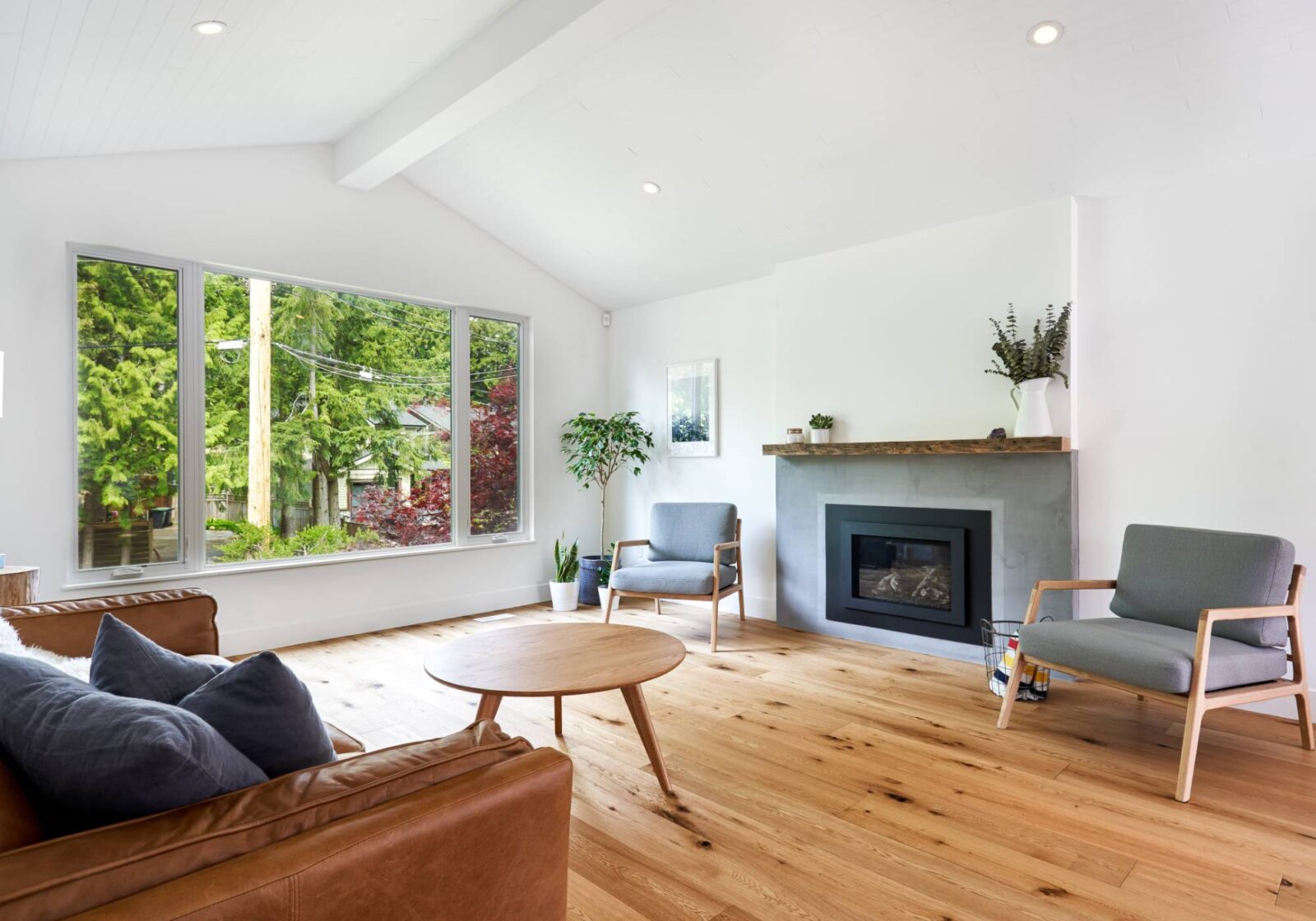
Step inside a house now, and what stands out isn’t bold at first glance-effortless function hums beneath the surface. Luxury materials? Less of a focus these days. What matters more is space shaped around real routines, not staged moments. Notice it slowly: a cabinet within reach, light exactly where it’s needed, doors that glide without noise. The change doesn’t shout; instead, it listens closely to habits, then adjusts. Personal choices shape every corner-quiet and clear.
Spaces That Move With Your Life
Rooms once followed old rules-dining areas meant for guests who rarely came, kitchens shut off like afterthoughts. These days, people lean toward change. Spacious layouts remain common, yet now include pockets of purpose-areas that let you be near others without always being on display. Structure shows up quietly, not through walls but through shifts in light, floor levels, or texture. Being together matters less than choosing when to be apart.
Furniture shifts purpose without warning. By morning light, a meal spot becomes a workspace. Rooms meant for visitors sometimes host workouts between visits. This kind of flexibility feels natural now-homes only grow when they move with the people living in them.
Storage Is the New Luxury
These days, sleek surfaces matter less than drawers that slide out of sight just right. Homes are filled with pieces that do double duty because they tuck things away neatly. Instead of shiny details, people notice how much easier life feels. Clever storage often outlasts glossy upgrades. What sticks isn’t the sparkle-it’s the clarity of a space that stays organized.
Few things disrupt a day like clutter piling up where it shouldn’t. When storage aligns with real habits, staying tidy stops feeling like a constant task. Space matters less than how it’s used when the day begins. What counts is having everything in its place before chaos gets a chance to build.
Technology That Fits Without Showing Off
Nowhere is technology more effective than when you barely notice it. Lights adjust before you think to reach for the switch. Temperature shifts without needing a tap. Security runs quietly in the background while routines stay undisturbed. Subtle integration blends into daily life far better than anything designed to stand out.
Mornings begin more smoothly now. Routines flow when systems respond before being asked. Lights brighten gradually, like sunrise through curtains. Temperature adjusts softly as you move between rooms. A simple voice command manages music or locks doors. Comfort arrives without effort. The best features stay in the background, exactly where they belong.
Comfort More Important Than Looks-Though Not by Much
These days, comfort leads. Homes lean toward ease rather than display. Think soft textures underfoot, natural materials warmed by sunlight, walls in tones that settle the mind. Looks matter less than how a space feels when you arrive tired. Where magazines once set the standard, now it’s quiet mornings and slow weekends shaping decisions.
That doesn’t mean beauty disappears. It simply follows comfort. A living room that slows your breath, a kitchen that makes cooking feel calm instead of rushed-these are the details that define a space worth spending time in.
The Impact of Daily Living
People now spend more time at home, and that shift shapes everything. Home offices appear where they didn’t exist before. Smaller gatherings replace large events. Personal comfort carries more weight than it used to, gradually reshaping routines. The way we move through our homes today isn’t what it was a few years ago.
This moment calls for thoughtful decisions. In projects like Vancouver Home Renovation, choices are increasingly guided by real living rather than passing trends. People are asking practical questions: Does this space support my routine? Can it handle more than one purpose?
Those answers are quietly shaping better outcomes.
Sustainability Is Essential Now
There’s also a growing focus on choices that last. Energy-efficient upgrades, improved insulation, and materials that are easier on the environment are becoming part of the process without much debate. What once felt optional now feels expected.
These decisions often bring practical benefits. Lower energy use, reduced costs, and a more comfortable home all come from building with efficiency in mind. It’s a shift that supports both daily living and long-term value-without needing to make a statement.
Designing With Future Use in Mind
Perhaps the biggest change is how far ahead people are thinking. Instead of focusing only on immediate results, decisions now reflect how life might evolve over time.
That might mean planning for long-term comfort, creating spaces that adapt as needs change, or choosing materials designed to last. It’s less about quick fixes and more about building something that holds up. When that mindset takes shape, homes begin to look-and feel-different in all the right ways.