

Table of Contents
- Preventing Structural Damage
- Extending Material Lifespan
- Enhancing Curb Appeal
- Improving Health and Safety
- Cost-Effective Maintenance
- Best Practices for Pressure Washing
- Conclusion
Maintaining a property’s exterior is more than just preserving its visual appeal—it’s an essential part of safeguarding its structure, longevity, and value. Exposure to dirt, grime, mold, and other contaminants can degrade materials over time, compromising both aesthetics and safety. By embracing a proactive approach like pressure washing, property owners can address these concerns at the source, protecting surfaces and enhancing their home or commercial building.
Consistent cleaning routines deter extensive build-up, ensure materials remain robust, and prevent costly repairs from escalating due to neglect. Leveraging professional equipment and specialized techniques, the pressure washing process targets everything from unsightly algae to potentially harmful mold and mildew—restoring curb appeal and supporting healthier living spaces.
In communities where property values matter, investing in ongoing exterior maintenance translates into greater peace of mind for homeowners, residents, and business owners alike. Whether you’re prepping your house for sale, managing a business storefront, or preserving your investment for years to come, prioritizing routine pressure washing is a forward-thinking decision.
Preventing Structural Damage
Dirt, algae, moss, and fungal growth gradually accumulate on surfaces such as siding, brick, and concrete. When left unchecked, these contaminants retain moisture, creating the ideal environment for decay. For example, mold and mildew can infiltrate wood fibers and compromise their strength, accelerating rot and distortion, while algae on roofing materials can undermine shingle integrity. Hiring a professional pressure washing company ensures these surfaces are thoroughly cleaned, removing buildup that homeowners often miss and helping to protect the structure from long-term damage. Regular pressure washing prevents the accumulation of these microorganisms, dramatically reducing the risk of water penetration and foundational damage. By keeping surfaces clean, property owners proactively minimize the dangers posed by long-term exposure to harsh elements and moisture retention.
Extending Material Lifespan
Surface stains, embedded sand, airborne pollutants, and biological growth can act as abrasives, wearing down surfaces over time. Siding, decking, fences, and painted exteriors are especially vulnerable to premature aging from neglect. Consistent cleaning safeguards these investments—the removal of damaging debris and organic matter allows paint to adhere better, prevents wood from absorbing moisture, and stops concrete from becoming stained or cracked. This translates into fewer costly repairs, longer-lasting paint jobs, and greater durability. In fact, many professionals recommend pressure washing at least once a year as a vital step preceding any refinishing project to ensure lasting beauty and resilience.
Enhancing Curb Appeal
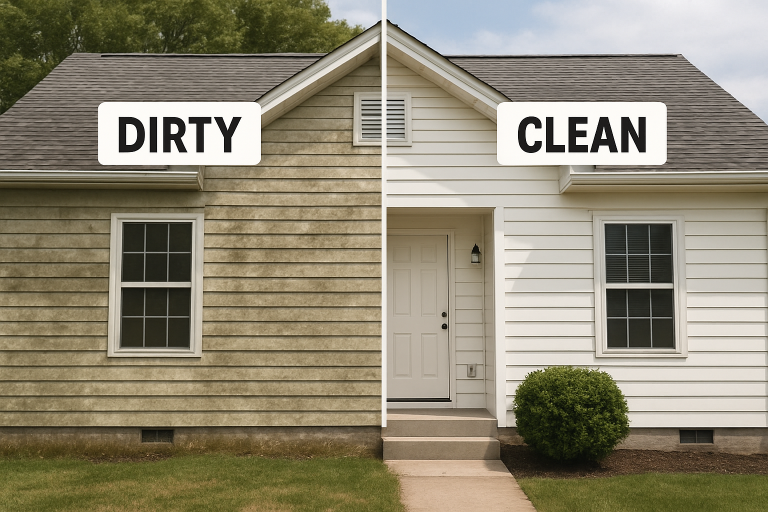
Appearances matter—especially when it comes to property value and community standards. Moldy siding, dirty sidewalks, and stained driveways can diminish property impressions in an instant. The immediate transformation that occurs after a thorough pressure wash is significant: dark stains fade, faded surfaces look refreshed, and entire structures are revitalized. For businesses, a sparkling exterior conveys professionalism and care to clients and customers; for homeowners, excellent curb appeal is linked to higher resale values and greater neighborhood pride. Regular washing keeps your property looking its best.
Improving Health and Safety
Mold, mildew, and algae are more than unsightly—they pose genuine health concerns. Airborne spores and slippery algae can be particularly hazardous for children, the elderly, and anyone with respiratory sensitivities. According to resources like WebMD, exposure to mold and mildew can trigger allergic reactions and exacerbate respiratory issues. Routine pressure washing removes these hazards, making patios, decks, walkways, and driveways safer for families, neighbors, and guests. Clean exterior surfaces mean fewer allergens in your home or business, helping reduce allergy symptoms and the risk of slips and falls.
Cost-Effective Maintenance
Preventing damage before it escalates into costly repairs is one of the most significant advantages of routine exterior cleaning. The cost of repainting, repairing rotted wood, or replacing prematurely deteriorated siding or roofing can be significant. With scheduled pressure washing, property owners can spot minor problem areas early, mitigate water damage, and stave off larger expenses. As a part of a systematic home or commercial maintenance plan, pressure washing is a wise investment that reduces long-term costs while preserving property value.
Best Practices for Pressure Washing
- Choose the Right Equipment: Adjust the pressure setting and select proper nozzles to match surface type—too much pressure can damage wood and delicate siding.
- Use Eco-Friendly Detergents: Prioritize biodegradable detergents to minimize environmental impact and prevent runoff from contaminating local soil or waterways.
- Hire Professionals: Consider enlisting an experienced team to avoid accidental surface damage and achieve a thorough, safe clean.
Conclusion
Pressure washing is one of the most efficient and cost-effective ways to extend your property’s lifespan, enhance its beauty, and protect against both cosmetic and structural risks. By incorporating regular cleaning into your property maintenance routine, you not only protect your investment but also create a more welcoming environment to enjoy every day.