

Myths about pest control solutions swarm almost as quickly as the pests themselves. Ask five neighbors in Tulsa how to handle an ant invasion or a stubborn line of roaches, and you’ll get five very different answers, each one confident they’re right. But what’s fact, and what’s just wishful thinking? Let’s break down the most common myths about chemical and natural pest control, and see which solutions deserve a place in your toolkit.
Myth 1: Chemical Treatments Are Always More Effective Than Natural Solutions
Some believe chemical treatments are always the nuclear option, instantly solving any infestation. But pest control isn’t one-size-fits-all. The effectiveness of any method depends on the type of pest and the degree of the infestation.
Why Effectiveness Varies by Pest Type
Certain pests, like German cockroaches, may respond better to targeted chemical baits, while others, such as fruit flies, are often handled just as effectively with natural traps or environmental changes. For example, essential oils may repel spiders, but do little for termites.
Case Studies Comparing Outcomes
Studies have shown that natural diatomaceous earth can reduce bed bug populations to similar levels as some chemical sprays, especially with proper application. However, severe termite infestations almost always require professional-grade chemical intervention for complete eradication.
The Role of Application and Timing
Success hinges on using the right solution at the right time. A natural remedy applied too late or to the wrong area won’t work, just as a chemical spray won’t solve a problem if pests are avoiding treated surfaces. Consistency and expertise matter more than the label on the bottle.
Myth 2: Natural Solutions Are Completely Safe and Harmless
“Natural” doesn’t always mean risk-free. While the idea of using kitchen ingredients or plant extracts has appeal, these solutions can sometimes pose their own hazards.
Potential Risks of Natural Pest Controls
Even natural pest control agents, like borax, peppermint oil, or vinegar, can cause allergic reactions or harm pets if misused. Overapplication of certain botanicals may even affect indoor air quality or damage surfaces.
Myths About Toxicity and Environmental Impact
Although botanical insecticides break down faster in the environment, improper use can still be toxic to beneficial insects, soil, or water. The image of “all-natural” as always benign is misleading.
How to Use Natural Solutions Responsibly
Read product labels, follow dosing recommendations, and avoid the temptation to overapply. Store all pest control products, natural or synthetic, out of reach of children and pets.
Myth 3: Chemical Treatments Are Dangerous and Should Be Avoided at All Costs
Chemical pest control has long been painted as the villain, but today’s formulations are a far cry from the toxic brews of the past.
Understanding Modern Chemical Formulations
Newer pesticides are designed for targeted action and rapid breakdown, reducing risk to humans and the environment. Many products now carry specific approvals for use in sensitive environments, such as hospitals and schools.
Safety Protocols in Professional Applications
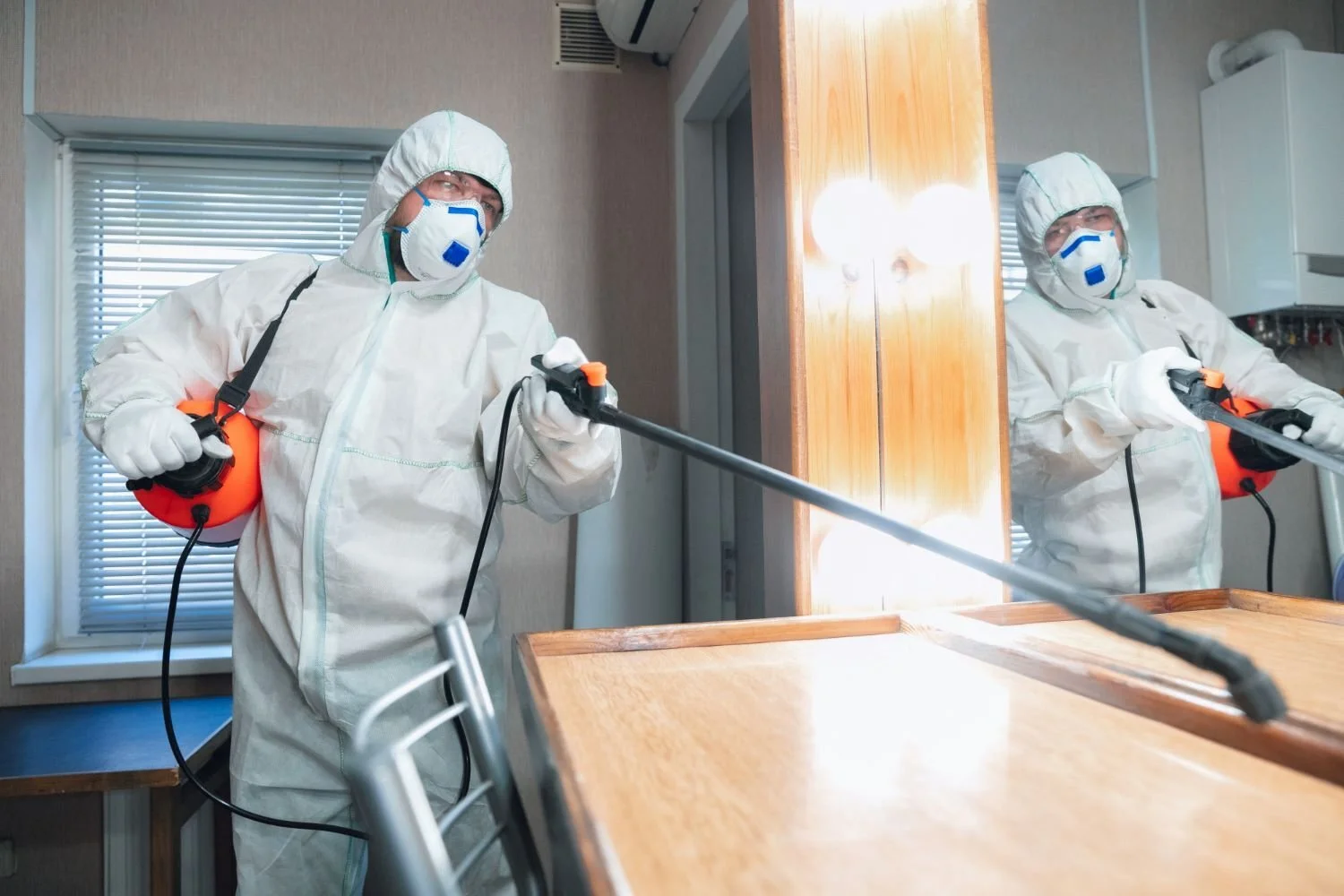
Professionals undergo rigorous training, use precise measures and protective gear, and are required to adhere to strict safety guidelines. This dramatically reduces exposure risk compared to improper DIY chemical use.
Balancing Risk vs. Reward
For high-risk pests, like disease-carrying ticks or wood-destroying termites, chemical solutions may be not only safe but necessary when applied correctly.
Myth 4: Natural Solutions Are Expensive and Inefficient
It’s easy to assume that because natural solutions require more frequent applications or specialized ingredients, they’re always pricier or less effective in the long run.
Cost Comparison: Short-Term vs. Long-Term
| Pest Control Method | Upfront Cost | Maintenance Cost | Longevity |
|———————-|————–|——————|———————–|
| Chemical Treatment | Moderate | Low | Long (months) |
| Natural Solutions | Low-Moderate | Moderate | Short (weeks, months) |
Natural treatments may cost less initially but could require repeat applications. In some cases, mixing and reapplying natural remedies can add up.
DIY vs. Professional Natural Treatments
Store-bought natural products may work for small problems, but recurring issues often need professional expertise, whether the treatment is natural or synthetic.
Efficiency Factors and When Natural Methods Shine
For prevention or low-level infestations, natural solutions can be both efficient and cost-effective, especially when paired with good sanitation and regular monitoring.
Myth 5: Pest Control Is a One-Time Fix, Regardless of Method
No matter which method you choose, pest control is rarely a set-and-forget affair.
Importance of Integrated Pest Management (IPM)
IPM combines chemical, natural, and physical controls with ongoing monitoring and prevention, focused on long-term solutions rather than quick fixes.
How Maintenance Differs Between Chemical and Natural Approaches
Chemical treatments typically provide a residual effect, but even then, pests adapt and environments change. Natural solutions often need more frequent reapplication but can be safer for repeated use.
Monitoring and Prevention Strategies
Seal cracks, manage moisture, remove food sources, and monitor regularly for signs of return. A proactive mindset delivers the best results.
Myth 6: Combining Chemical and Natural Methods Is Ineffective or Dangerous
Some homeowners worry that mixing approaches may backfire, but hybrid strategies can actually be the most effective.
Synergistic Pest Control Strategies
Pairing a targeted chemical treatment with ongoing natural deterrents often leads to superior pest reduction and fewer chemical applications over time.
How to Safely Integrate Both Approaches
Apply chemicals only where needed, then maintain barriers or repellents with natural sprays and environmental controls. Always follow product instructions to avoid interactions.
Expert Recommendations for Hybrid Solutions
Professionals often blend methods to balance effectiveness, safety, and environmental concerns, especially in homes with children or pets.
Choosing the Right Pest Control Method for Your Tulsa Home
Every home, pest, and situation is unique. Start by identifying the specific pest and assessing the severity. For persistent or high-risk infestations, consulting a resource like Tulsa pest control can provide tailored solutions and peace of mind. Evaluate environmental and health priorities, consider both short- and long-term costs, and know when a professional touch is needed. In pest control, as in life, the best solution is rarely the simplest one.