
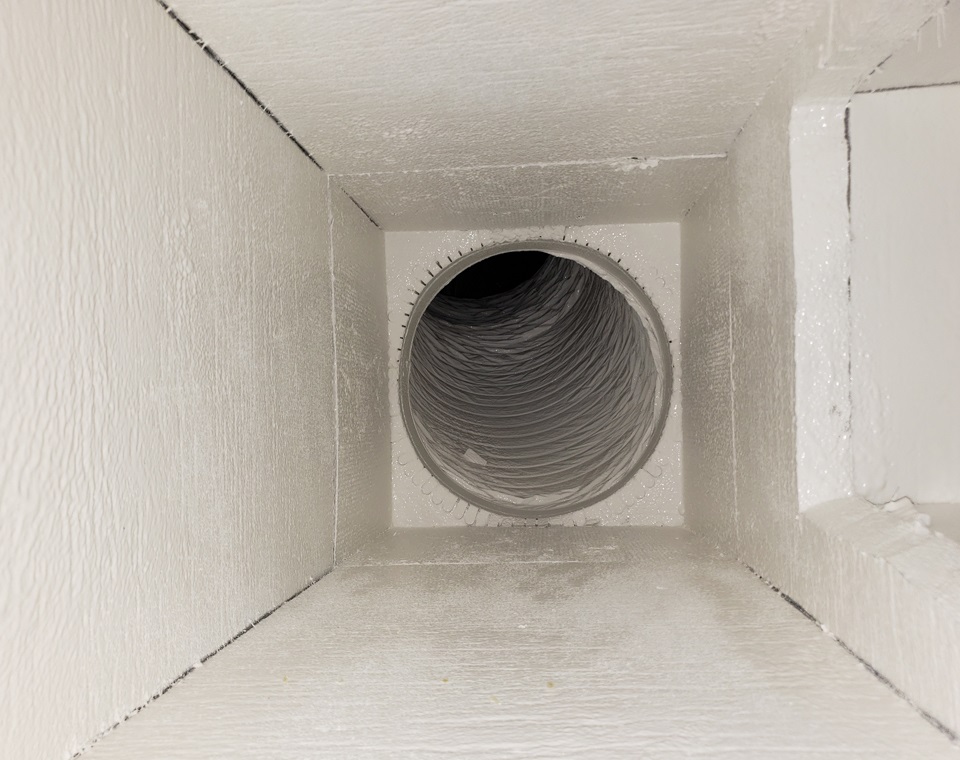
Clean indoor air depends on what happens inside the ductwork, far beyond what anyone can see from a vent opening. An air duct cleaner in Lebanon, TN often relies on advanced borescope imaging to uncover issues hidden deep within the system. This technology reveals problems that affect airflow, cleanliness, and overall HVAC performance long before symptoms appear inside the living space.
Thick Dust Sheets Coating Interior Duct Surfaces
Layers of dust inside ducts collect slowly, building into dense sheets that trap more particles every time the system runs. These heavy deposits reduce airflow and release fine matter back into occupied rooms. HVAC cleaning in Lebanon, TN often identifies these thick accumulations using high-resolution scopes that reach into long and twisting stretches of ductwork.
The internal coating becomes more compact the longer it stays undisturbed. As sheets grow heavier, the HVAC system works harder, pushing air across surfaces lined with debris. HVAC cleaning near me searches often point to professional cleaners who rely on borescopes to assess the depth and spread of dust.
Pest Debris Lodged Deep Within Return Channels
Rodents, insects, and small pests tend to nest inside return lines where air movement is warm and steady. Advanced imaging makes it possible to detect fur, droppings, and fragments wedged into corners that can’t be accessed with basic tools. These contaminants add odors and reduce the cleanliness of circulated air.
Organic debris often breaks down over time, creating pockets of irritation for those with allergies or respiratory concerns. Thorough air duct cleaning in Lebanon, TN depends on identifying these hidden layers before they spread farther through the network.
Moisture Pockets Allowing Hidden Mold to Spread
Moisture inside ducts encourages mold growth in patches that are not visible from the registers. A borescope helps locate damp areas behind seams and bends where humidity remains trapped. These sections can produce spores that travel through the system and affect indoor conditions.
Mold rarely stays isolated once it forms. As moisture seeps into insulation or metal seams, the problem expands. Air duct cleaners near me frequently rely on imaging tools to map the growth before developing a treatment and cleaning plan.
Collapsed Sections Restricting Airflow Movement
Duct walls can weaken over time, bending inward and reducing the passageway. A collapsed section may not be obvious from outside the system, yet it restricts airflow enough to affect temperature distribution throughout the home. Imaging makes these distortions easy to spot.
Once a collapse begins, dust and debris collect even faster inside the tight area. The blockage forces the HVAC system to compensate, leading to uneven heating or cooling and higher energy demands. HVAC cleaning in Lebanon, TN teams often discover these issues during inspections prompted by airflow complaints.
Construction Residue Trapped Behind Tight Bends
After a renovation or new build, fine construction dust often settles deep in ductwork. Borescopes allow cleaners to inspect sharp bends where drywall powder, sawdust, and plaster particles accumulate. These materials form stubborn deposits that standard residential cleaning attempts cannot reach.
Renovation residue tends to pack tightly inside elbows and junctions. This buildup travels into the air stream over time, lowering air quality and affecting the performance of filters. For this reason, many homeowners search HVAC cleaning near me after remodeling projects.
Insulation Fragments Drifting into Supply Runs
Insulation around ducts can deteriorate, shedding fibers that drift into supply lines. A borescope identifies loose fragments stuck to interior surfaces or moving within the airflow. These fibers reduce system efficiency and increase airborne particulates inside living spaces.
The shedding typically worsens as ducts age or experience temperature shifts. High-powered imaging helps determine where the insulation has failed and how far fragments have spread through the duct system.
Corroded Metal Flaking into the Air Stream
Corrosion forms on older metal ductwork as humidity and temperature changes wear down the interior surface. As the metal weakens, flakes detach and enter the airflow. These particles reduce air quality and can damage sensitive HVAC components over time.
Corrosion often spreads irregularly, creating clusters that only imaging can fully detect. Identifying these flaking areas helps determine the level of cleaning needed and whether replacement sections are required.
Foreign Objects Wedged in Long, Narrow Spans
Small toys, tools, or misplaced materials sometimes fall into ducts and settle far beyond reach. Using borescopes, an air duct cleaner in Lebanon, TN can inspect tight, elongated areas where these objects remain undisturbed for years. Anything blocking movement inside the duct changes airflow and increases system strain.
Foreign objects can also trap dust around them, forming a larger obstruction as debris builds. Professional air duct cleaning near me searches often lead customers to specialized teams capable of locating and removing these items. For advanced detection and cleaning methods tailored to these problems, Mr B offers services supported by industry-trusted imaging tools and cleaning equipment.