

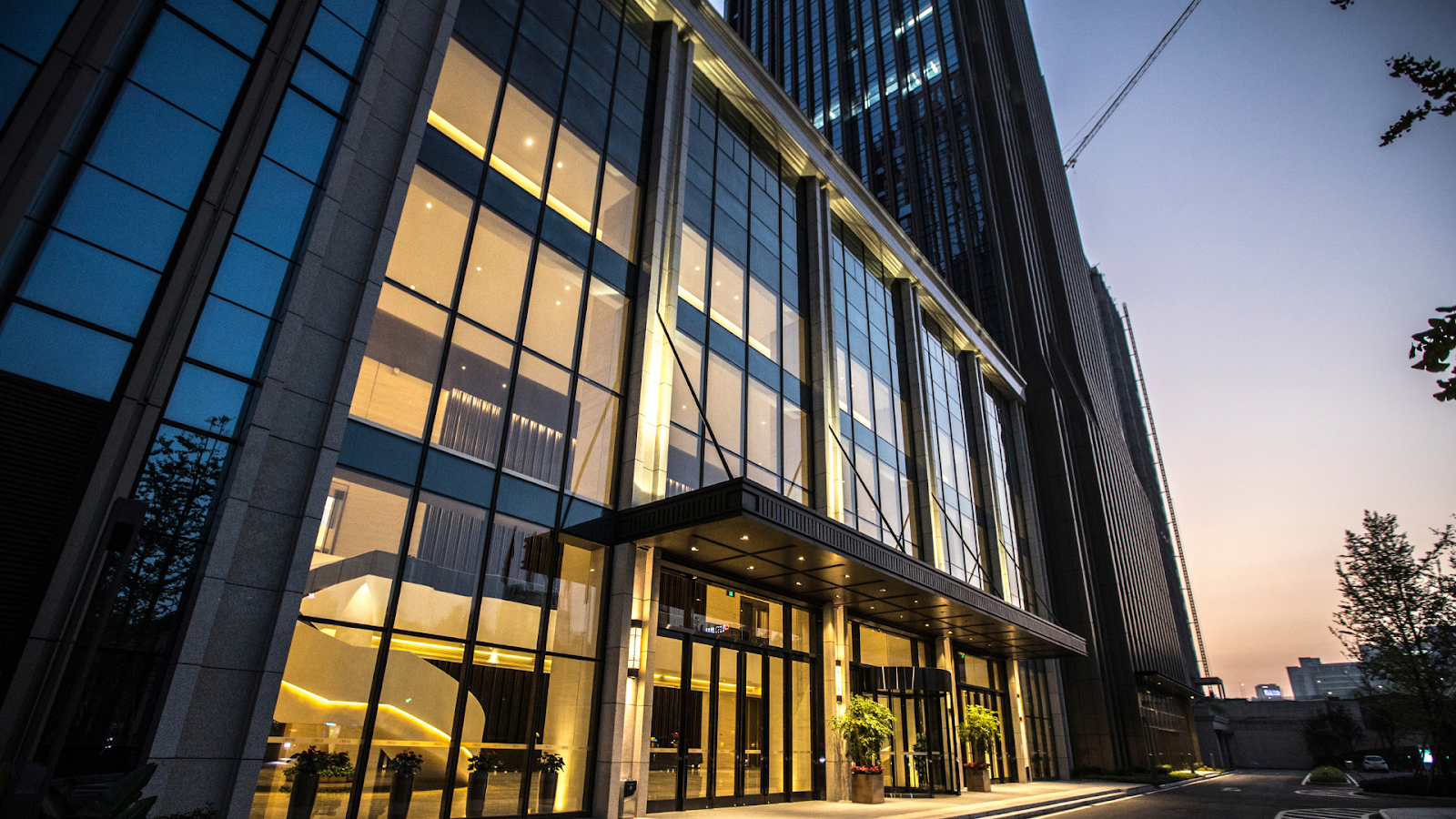
In commercial architecture, luxury is rarely loud. It isn’t defined by gold finishes, oversized lobbies, or dramatic gestures alone. Instead, the spaces that truly feel high-end tend to rely on subtle choices—intentional details that communicate sophistication without saying a word. These elements shape how clients, tenants, and visitors perceive a brand the moment they step through the door.
Whether you’re designing an office, retail environment, hospitality space, or mixed-use development, here are eight understated design details that consistently elevate a commercial project and signal that it belongs in the category of high-end commercial architecture.
1. Seamless Integration of Natural Light
Nothing transforms a commercial space more than strategic daylighting. High-end buildings often maximize light without creating glare, heat gain, or visual discomfort. Think floor-to-ceiling glazing balanced with deep overhangs, clerestory windows that lift the eye upward, or skylights that wash surfaces with indirect illumination. The goal is to make light feel like part of the architecture, not an afterthought. When natural light is handled well, it communicates intentionality, environmental awareness, and elevated design intelligence.
2. Precision in Material Transitions
Luxury is often found in the seams. High-end commercial spaces almost always feature transitions—between stone and wood, glass and concrete, metal and plaster—that are crisp, aligned, and meticulously resolved. Flush baseboards, integrated door frames, and hidden fasteners create a sense of visual calm that clients immediately recognize, even if they can’t point to why. When materials meet without visual noise, the space broadcasts craftsmanship.
3. Acoustic Comfort That Feels Effortless
Acoustics are one of the most overlooked markers of quality. You can walk into two offices that look identical, but one will feel instantly more expensive simply because the sound behaves well. High-end commercial buildings often include integrated acoustic panels, sound-absorbing ceilings, well-sealed conferencing areas, and thoughtfully chosen finishes. Quietness and clarity—without deadness—signal that the space was designed for focus, hospitality, and comfort.
4. Lighting That Layers, Not Overpowers
Cheap commercial spaces rely on grids of fluorescent or LED troffers. High-end spaces rely on intention. Layered lighting—ambient, task, and accent—creates dimensionality, guides users through a space, and highlights architectural forms. Cove lighting can subtly shape ceilings, spotlighting can elevate displays or artwork, and warm color temperatures can invite people to linger. When lighting articulates the architecture instead of flattening it, the entire experience feels premium.
5. Elevated Circulation & Wayfinding
Wayfinding is not signage; it’s spatial intelligence. In a high-end commercial environment, circulation feels intuitive. Corridors open naturally into gathering areas, sightlines draw people where they need to go, and vertical circulation feels integrated rather than tacked on. Even the smallest detail—like aligning hallway thresholds with exterior views—can make a commercial building feel highly considered. Clients associate clarity and ease with quality.
6. The Right Balance of Transparency and Privacy
Modern commercial architecture often blends openness with the need for private, focused work. Glass partitions, partial walls, and screened zones communicate openness without sacrificing discretion. Instead of creating a maze or an echo chamber, high-end spaces use architectural moves to create gradations of experience—public, semi-public, and private. This balance feels both functional and luxurious, especially in workplaces where flexibility is key.
7. Thoughtful Integration of Technology
In premium commercial environments, technology never draws attention to itself. Screens blend into millwork. Conference rooms operate with one-touch controls. Wireless charging, hidden cabling, and discreet access panels keep the environment clean and future-forward. Smart building systems—HVAC zoning, occupancy sensors, adaptive lighting—create both efficiency and comfort. When technology is embedded into the architecture instead of bolted on, the result feels seamless and undeniably high-end.
8. A Distinctive Design Language That Supports the Brand
The most luxurious commercial spaces speak a visual language of their own. They aren’t generic, even when minimal. Proportions, materials, forms, and textures all work together to express the identity of the brand inside. Whether that brand is a law firm, a luxury retailer, a hospitality group, or a creative agency, the architecture becomes part of its voice. This is also where working with LA commercial architects can make a significant difference, especially in a city where contextual identity and brand storytelling play a major role in how buildings are experienced.
When the architecture supports the brand rather than simply housing it, clients notice—and they identify the space as high-end without needing it spelled out.
High-end commercial architecture is built on restraint, refinement, and quiet confidence. Clients remember spaces that feel intentional, balanced, and intelligent. By focusing on the subtle details—light, transitions, acoustics, movement, and brand alignment—you can transform an ordinary commercial project into one that communicates sophistication from the moment someone walks in.