

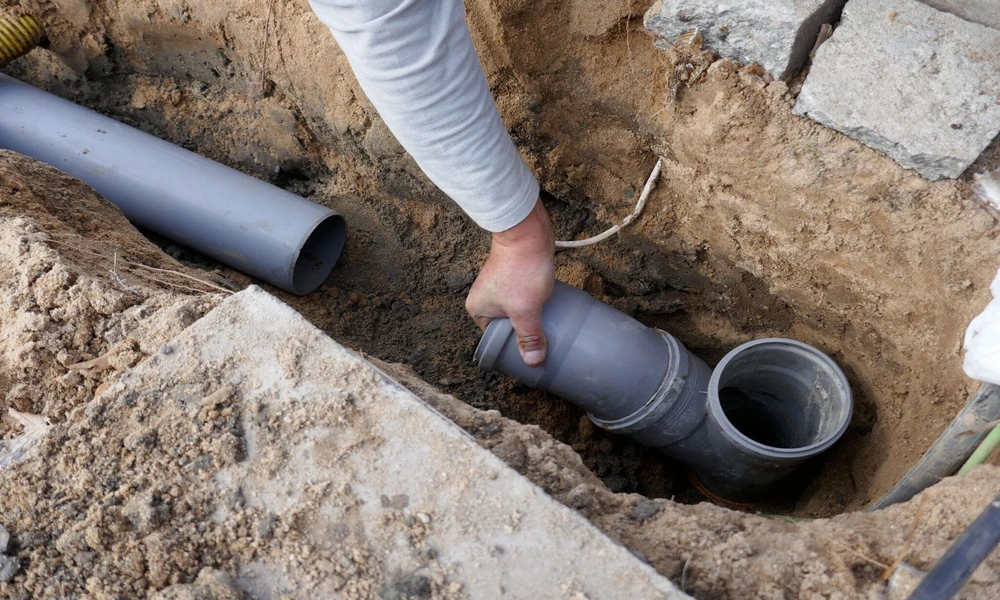
Most homeowners think about plumbing one fixture at a time: a dripping faucet here, a slow tub drain there. Water doesn’t see the house that way. It enters through one service line, picks up heat at one appliance, splits across a dozen fixtures and leaves through one sewer lateral, and a weakness at any point along that route affects everything downstream. In southwest Colorado, where homes sit above 6,000 feet and January nights regularly drop into the single digits or below, that route takes more abuse than it would at lower elevations.
Families around Cortez and Durango who want that whole route checked by people who know local houses can turn to Avalanche Plumbing, the family run team behind avalancheplumbers.com. Their crew brings more than 40 years of plumbing experience to repairs, water heater installs, sewer camera inspections and boiler work, and they answer emergency calls around the clock. A walkthrough before the hard freezes arrive costs far less than a burst line discovered on a Sunday morning.
Where the Water Comes In
The journey starts at the service line, the pipe running from the meter or well to the house. In town, the utility typically maintains the main while the homeowner owns everything from the property line inward. On rural Montezuma and La Plata County properties, a private well, pressure tank and pump switch take the place of the meter, and every piece of that equipment is the owner’s responsibility.
The main shutoff valve sits just inside the entry point, and it deserves attention long before an emergency. Older gate valves often seize after years without use, and a valve that won’t close turns a small leak into a flooded basement. Turning it once or twice a year keeps it working, and replacing a stuck gate valve with a quarter turn ball valve makes shutoff fast enough for anyone in the house to manage.
Cold is the main enemy at this stage. Pipes running through crawlspaces, garages or exterior walls freeze first, and when water turns to ice it expands, pushing pressure toward the nearest closed faucet until the pipe splits. University of Illinois Extension notes that a crack only an eighth of an inch wide can release up to 250 gallons of water a day, which explains why freeze damage so often reaches flooring, drywall and stored belongings.
Where the Water Gets Heated
The water heater or boiler is the hardest working stop on the route, and altitude changes how it behaves. Water boils at roughly 201 degrees at Cortez elevations instead of 212, gas appliances burn with less oxygen per breath of air, and manufacturers specify adjustments for installations at high altitude. A unit set up for sea level can run inefficiently or produce more carbon monoxide than it should.
Signs that the heating stop needs a closer look include:
- popping or rumbling from the tank, which usually points to mineral sediment baked onto the bottom
- rusty or metallic tasting hot water, a common sign the anode rod has worn through
- water around the temperature and pressure relief valve or its discharge pipe
- a boiler that cycles constantly or leaves some radiators warm and others cold
Hydronic boilers deserve their own mention because so many older homes in the Four Corners area still rely on them. Their pumps, expansion tanks and zone valves wear quietly over years, and an annual service before heating season catches failing parts while replacement is still a planned job instead of a no heat call.
Tankless water heaters are a growing trend in the region for good reason, since they free up floor space and heat only on demand. They do need correct gas line sizing, venting suited to altitude and periodic descaling to protect the heat exchanger.
Where the Water Gets Used
Fixtures are the stop homeowners see every day, and they hide more waste than most people expect. The EPA’s WaterSense program estimates that household leaks can waste about 9,400 gallons of water a year in an average home, most of it from worn toilet flappers, dripping faucets and showerheads that never quite seal. A few drops of food coloring in a toilet tank, left for 15 minutes without flushing, will show whether the flapper is letting water slip into the bowl.
Outdoor hose bibs belong in this stage too. Frost free sillcocks only protect the pipe when the hose is disconnected, because an attached hose holds water in the valve body where it can freeze and crack inside the wall, sometimes without leaking until spring.
Where the Water Leaves
The final stop is the drain and sewer lateral, the pipe carrying waste from the house to the city main or a septic tank. Older neighborhoods may still have clay or cast iron laterals that crack, sag or separate at joints, letting cottonwood and willow roots move in. Slow drains in several fixtures at once, gurgling from a toilet when the washer drains, or a sewer smell in the basement all suggest trouble farther down the line rather than in a single trap.
A sewer camera inspection shows exactly what the inside of that pipe looks like, which separates a root intrusion that can be cleared from a collapsed section that needs repair. For homes on septic, regular pumping and keeping grease and wipes out of the drains protect the system from expensive failures.
Reading the Whole Route at a Glance
| Stop on the route | Main stress in southwest Colorado | Sign worth a professional call |
|---|---|---|
| Service line and shutoff | Freezing in crawlspaces and exterior walls | Low pressure, frost on pipes, a valve that won’t turn |
| Water heater or boiler | Altitude, sediment and long heating seasons | Rumbling tank, rusty water, uneven radiator heat |
| Fixtures and hose bibs | Constant use and trapped water in winter | Running toilet, steady drips, spring leaks inside walls |
| Drains and sewer lateral | Root intrusion and aging pipe materials | Several slow drains, gurgling, sewer odor |
Thinking in Routes Instead of Repairs
A plumbing system that gets checked as one connected route tends to fail less often and more predictably. A seized shutoff, a sediment filled tank and a root choked lateral rarely show up on the same day, but each one changes how the rest of the system behaves. Homes that get attention at every stop, especially ahead of a southwest Colorado winter, keep water moving where it belongs from the moment it enters to the moment it leaves.